

The shift towards sustainable agriculture: innovative farming techniques in East Africa
Approx. 6 min read
By Betel Gezahegn, Digital Content Executive and and Meshark Sikuku, Farm Systems and Sustainability Coordinator at Ripple Effect
Across East Africa, many families depend on farming for their livelihoods. Changing rainfall patterns and declining soil fertility are making it harder to grow enough food and earn a reliable income. Farmers need ways to keep their land productive as conditions change.
We are starting to see a shift from traditional farming methods to sustainable ones that work with nature, which is proving to benefit smallholder farmers in rural Africa. Through agroecology, farmers learn to work with natural processes, improve the health of their soil and make use of resources without exhausting them.
Ripple Effect works with farming communities to put these methods into practice. In Kenya, farmers are turning organic waste into insect feed for their animals. In Ethiopia, earthworms are helping produce compost. In Rwanda, dairy farmers are growing fodder without soil
What are Black Soldier Flies, and how can they support sustainable farming?
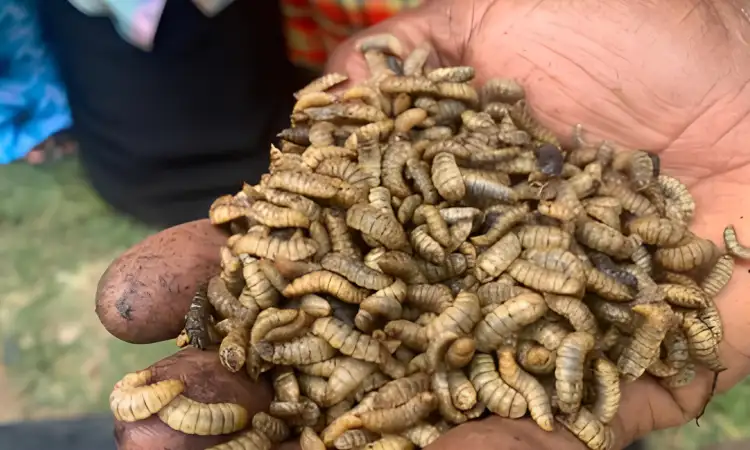
Black Soldier Flies are insects whose larvae feed on suitable organic waste. Farmers can rear the larvae as a source of protein forlivestock feed, helping reduce their dependence on purchased feed.
Reuben, a farmer in Kakamega County, Kenya, joined Ripple Effect's Sustainable Food and Environment Improvement project. Feeding his chickens had been expensive, so he learned to rear Black Soldier Fly larvae using suitable organic waste.
Reuben now produces part of his chickens' feed on his farm. He says he spends less on purchased feed and has seen improvements in the chickens' growth and health.
Reuben, project participant in Kenya
The Food and Agriculture Organization of the United Nations (FAO) recognises insects, including Black Soldier Fly larvae, as a potential complementary source of animal feed. Research indexed by FAO AGRIS has also determined that larvae reared on household organic waste can be used in poultry diets.
What happens to the waste after the larvae feed?
The leftover material is called frass. It contains the remains of the material the larvae have eaten and their waste. After suitable treatment, it can be used as an organic soil amendment. This means Black Soldier Fly farming can help make use of organic waste in more than one way.
Improving soil fertility with earthworms in Ethiopia
Vermicomposting uses earthworms to break down organic materials, such as plant waste and manure, into compost. Farmers can add this compost to their soil to improve its condition and return nutrients to the land. It is one way to support crop production without relying only on purchased fertilisers.
In Bensa, Ethiopia, Amarech learned vermicomposting through Ripple Effect's Resilient and Empowered Women and Girls in Coffee-growing Communities project. Declining soil fertility had been affecting her family's harvests. The household relied mainly on enset, coffee and maize, leaving little variety in what they ate.
She began making vermicompost and using it on her farm. She also learned vegetable-growing methods and ways to conserve soil and water.
Amarech, project participant in Ethiopia
Amarech now grows a wider variety of food for her family of seven. By selling vegetables and eggs, she has also earned enough to buy two sheep.
As Chairwoman of the Shafeta Self-Help Group, she has taken on a leadership role in her community and become more confident speaking publicly. The group has collectively saved ETB 13,000, having started with no savings.
Vermicomposting is one way farmers can improve soil fertility using organic materials. FAO's composting guidance explains how earthworms can help turn organic residues into useful compost.
Growing cattle feed without soil in Rwanda
Hydroponic fodder is a way of growing fresh animal feed without soil. Farmers germinate seeds using water and allow them to grow into shoots that can be fed to livestock. It can provide an additional source of feed when grass or other fodder is difficult to find.
Dairy farmer Dancille has kept cattle in Rwanda's Gatsibo District since 2010. She later introduced Friesian crossbreeds, but her cows were still producing less milk than she hoped.
After joining Ripple Effect's Ongera Amata project in April 2024, Dancille received training in animal feeding and forage conservation. She also learned about hydroponic fodder.
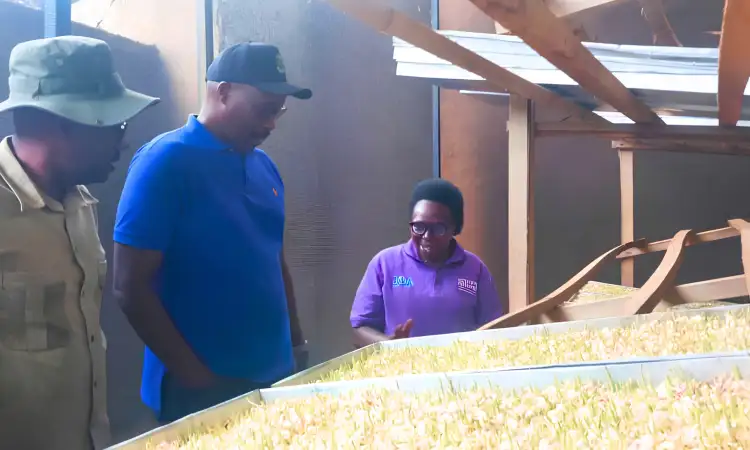
Dancille set up a small hydroponic greenhouse, renovated her cowshed and began keeping better milk-production records.
Her milk production increased after she made changes to feeding and livestock management.
The additional income has helped her meet household expenses and repay a loan. She has also bought four pigs and improved her home.
Dancille still faces difficulties accessing water during the dry season. Getting milk to collection points can also be a challenge. But growing fodder on her farm has given her another way to manage feeding her cattle.
How Speciose grows fodder from maize
In Rulindo District, another dairy farmer, Speciose, has been using the same technique.
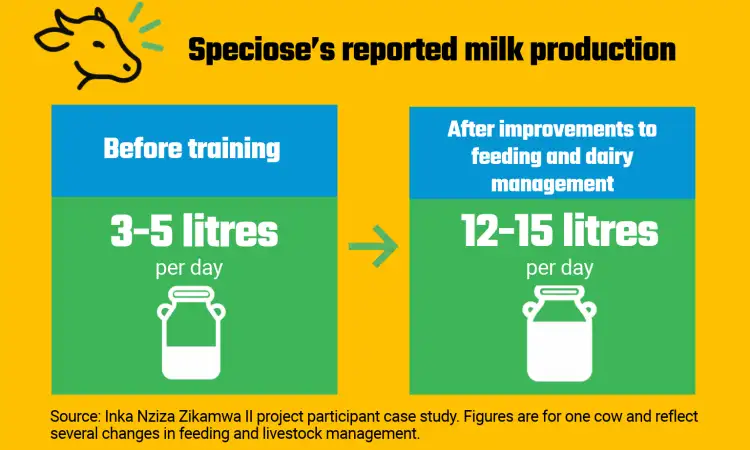
Before joining the Inka Nziza Zikamwa II project, her cow produced around three to five litres of milk a day. After training, Speciose improved her livestock management and introduced hydroponic fodder alongside Napier grass and other feeds.
Her cow now produces between 12 and 15 litres of milk a day.
Speciose uses maize and locally available containers to produce the fodder. She reports that one kilogram of maize produces around three to four kilograms of fresh fodder.
Hydroponic fodder is also being explored in other countries where farmers struggle to find sufficient animal feed.
For Speciose, the technique is something she can manage with materials available locally, while continuing to improve how she cares for her cow.
Making more from what's already there
Reuben is spending less on chicken feed by making use of organic waste. Amarech has improved her soil and grown more food for her family. In Rwanda, Dancille and Speciose are using hydroponic fodder alongside better livestock management.
The techniques differ, and so do the challenges each farmer faces. What matters is that they have learned new ways to use the resources available to them.
This is central to Ripple Effect's approach to sustainable agriculture. We work alongside farming families to build practical skills that can improve productivity while protecting the natural resources their livelihoods depend on.
How you can support our work
Your support helps Ripple Effect share sustainable farming techniques with more families across rural Africa.
Whether through charity gifts, making a donation or partnering with us, you can help more farmers develop the skills to make better use of their farms.


Want to hear good news stories from Africa, get involved in fantastic fundraising and be part of exciting events? Fill out your details below and we will keep you updated by email.