Back

Resilient and Empowered Women and Girls in Coffee-Growing Communities - phase II

Location: Bensa district, Sidama zone, Ethiopia
Duration: October 2024 - September 2027

This project works with over 18,000 people from coffee-growing communities in Ethiopia. They are gaining the skills and opportunities to overcome barriers and build secure futures, with women and girls at the heart of the project.

Our approach

The project uses sustainable farming and gender-transformative approaches to strengthen families’ resilience. In self-help groups, families build practical skills, turning their land into a reliable source of food and income, while challenging the barriers faced by women and girls.

Women and girls often carry much of the work on farms and at home, while having less say over household decisions or community leadership. The project creates opportunities for women to build confidence, have a voice, influence decisions and take on leadership roles. Through Self-Help Groups (SHGs), neighbours meet regularly to save together and decide on community improvements. Women develop practical leadership and assertiveness skills, including communicating confidently, managing their time and taking on responsibilities within their groups.

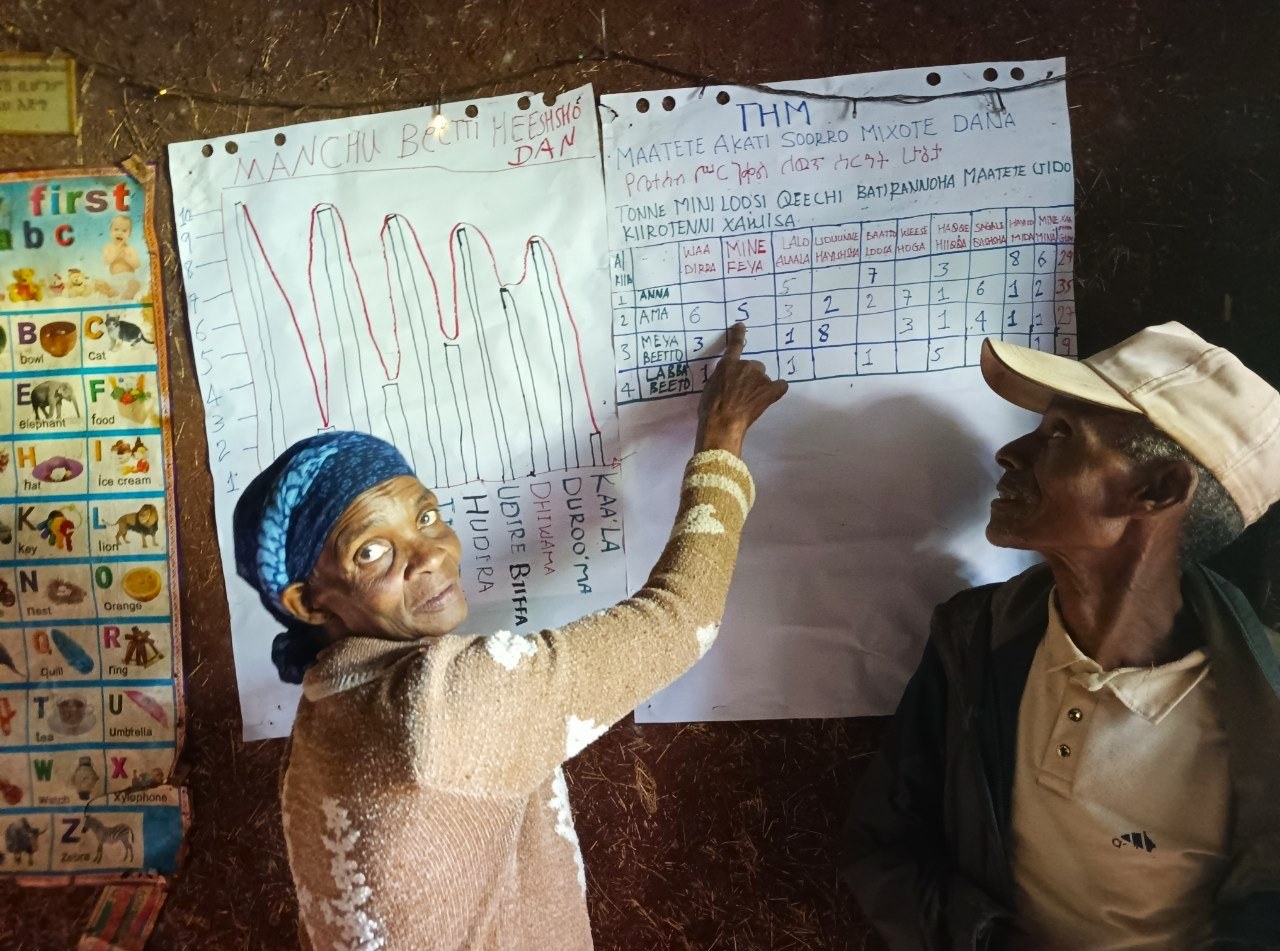
Families also use Ripple Effect’s Transformative Household Methodology (THM) to look at how workload and decisions are shared at home, then identify changes that create greater equality. Community events such as “We are Women, We Can Lead” bring local authorities and community members together to challenge attitudes around women’s leadership.
https://d1l97138avwug7.cloudfront.net/Picture-THM.jpg
Project participant pointing at her family’s THM results, showing the women of the family had more workload.

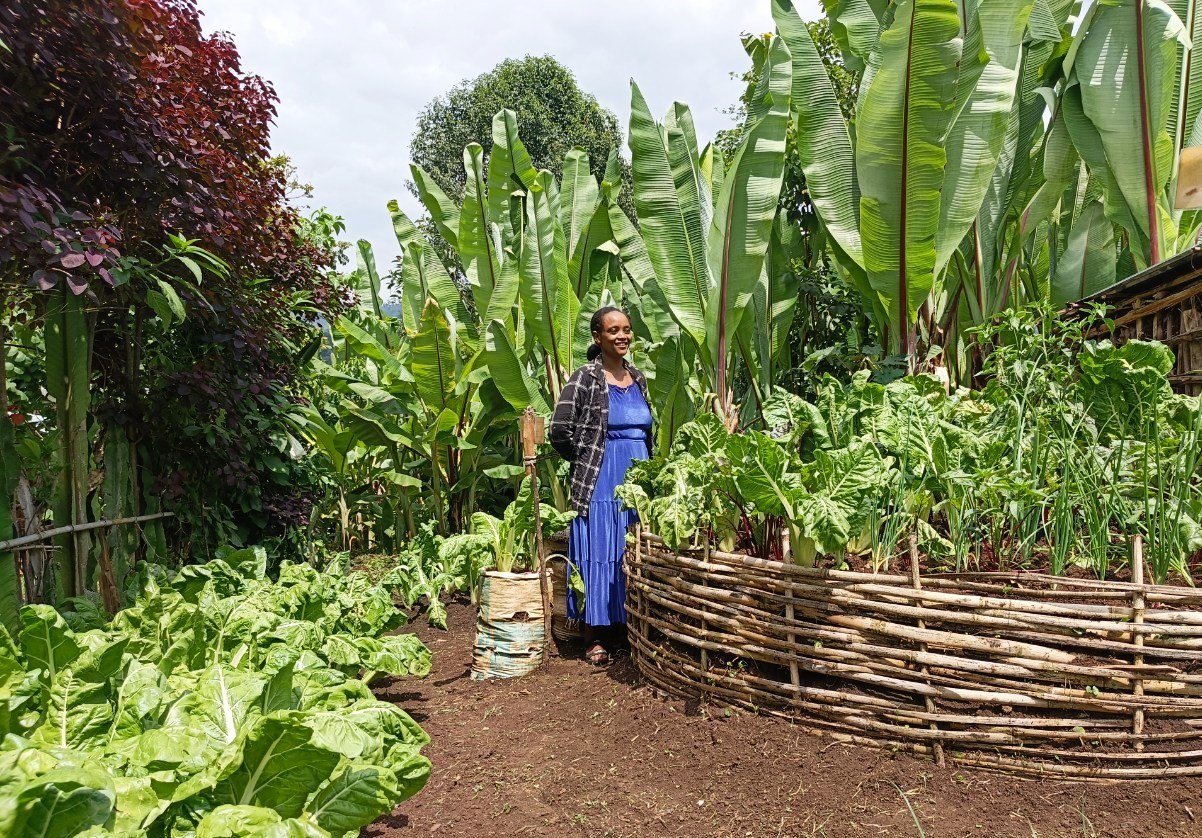
For families farming small plots and relying on rain-fed agriculture, climate pressures and soil degradation make it difficult to grow enough food. Farmers are learning practical ways to make better use of their land while protecting the resources their farms depend on. Training covers kitchen gardens, sack mounds, organic composting, soil and water conservation and integrated pest management amongst others, with farmers putting these approaches into practice on their own fields. Techniques such as bench terraces, soil bunds and micro-basins slow water runoff and reduce erosion, while composting improves soil fertility without relying solely on purchased inputs.

Farmers also learn how to prepare nurseries, manage vegetable crops and strengthen coffee production through planting, pruning, mulching and pest and disease management. Improved forage such as alfalfa, desho grass, vetch, oat and lablab gives farmers additional options for feeding livestock while adding organic matter to their farms. These elements of the whole farm system work together to strengthen resilience, helping families withstand climate shocks and keep their farms productive.

https://d1l97138avwug7.cloudfront.net/Picture-Keyhole-garden-Abu-Adola.jpg
Adola, project participant, in her kitchen garden with thriving crops

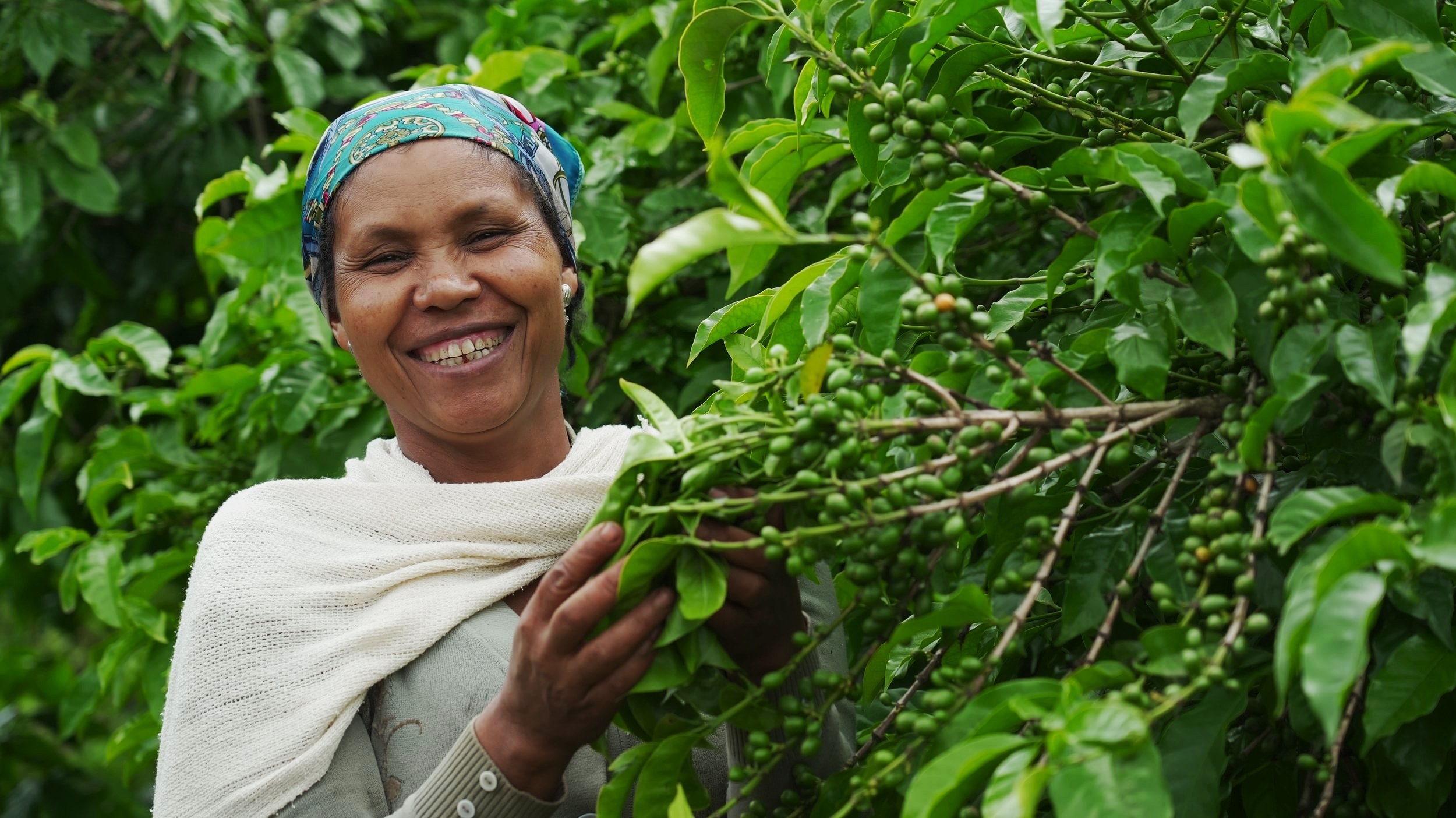
Smallholder farmers in Bensa often rely on coffee as their main cash crop, but changing weather, pests and diseases, low productivity and limited access to markets can make income unpredictable. The project strengthens families’ ability to save, invest and develop opportunities that make better use of what they already produce. Within their Self-Help Groups, members learn how to manage savings and loans, giving them a way to invest in small businesses and other income-generating activities.

Farmers also develop skills in enterprise development and value addition, while Cluster Level Associations (CLAs) (local organisations bringing several Self-Help Groups together), build relationships with markets, financial institutions and agricultural suppliers.

Coffee farmers access specialist production knowledge through collaboration with the Starbucks Farmer Support Center, covering areas such as coffee agronomy, soil management and post-harvest practices. Improved coffee seedlings also give farmers opportunities to strengthen their coffee farms, while value-addition activities create ways to increase the value of products before they reach the market.

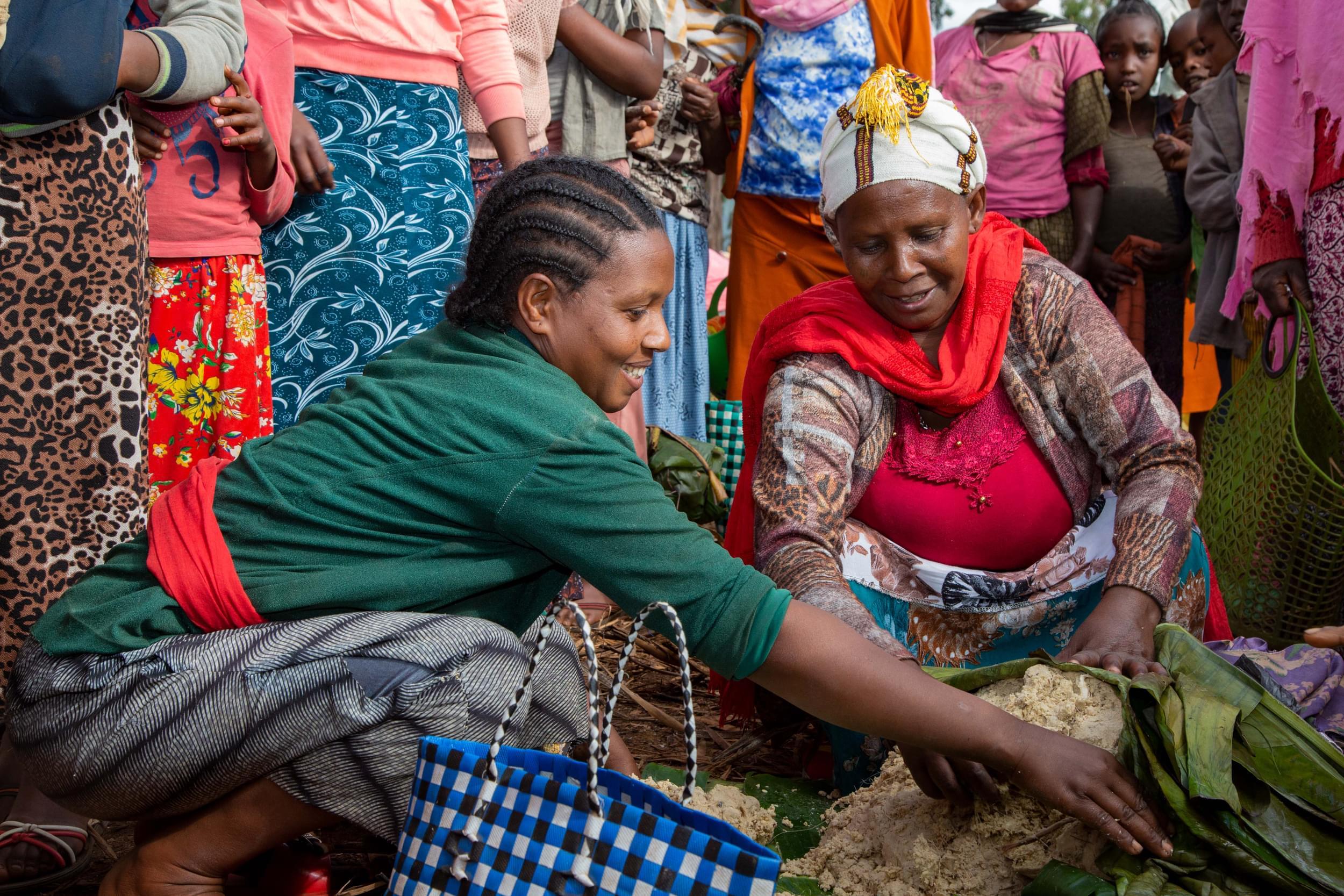
https://d1l97138avwug7.cloudfront.net/Ayelech-Kure-Large_2026-09-09-141049_pvgc.jpg
Ayelech, participant from phase I, selling enset and other goods at market.

The project supports families to grow a wider range of nutritious foods, making better use of the land and resources around their homes. Farmers grow vegetables such as carrots, beetroot, onions, cabbage and Swiss chard, alongside fruit trees like avocado. They learn how to establish and manage kitchen gardens, from preparing planting areas and nurseries through to watering, pest management and harvesting. Training in food preparation and nutrition gives women and families practical knowledge to turn what they grow into more varied and nutritious meals.

The project also addresses the lack of safe water and sanitation that can place a particular burden on women and girls, with communities working on water access and households adopting practical measures such as tip taps, dish driers and improved latrines.

“Having enough food to eat is only the first step towards a healthy family. We also need to think about whether that food is nutritious and whether families have the knowledge and conditions to stay healthy. This is why nutrition and hygiene are such an important part of our work. When families can grow a wider variety of food and understand how to prepare it safely, the benefits of farming go much further” - Meshark Sikuku, Sustainable Agriculture Coordinator

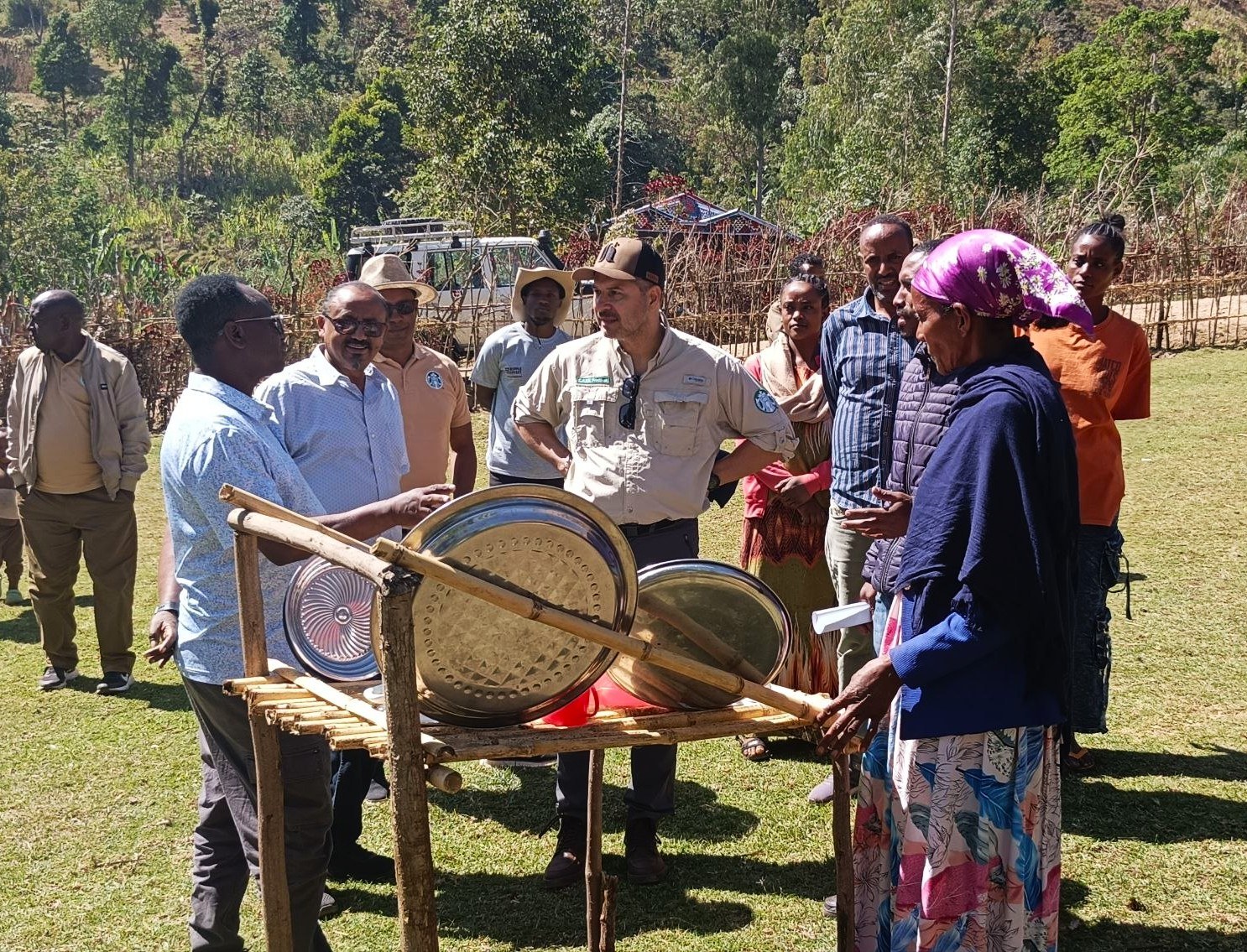
https://d1l97138avwug7.cloudfront.net/Donor-Vist-Dishdrier-6-1.jpg
Demonstration of a dish dryer, one of the project’s hygiene practices.

The project is designed to make progress last long after it ends, with communities themselves leading change and local organisations continuing to bring people together around shared priorities. 

Cluster Level Associations (CLAs) bring Self-Help Groups together within each kebele (a local administrative area similar to a ward or village-level community). This gives people a platform to identify challenges affecting their communities, decide what action is needed and work together to find solutions. Existing CLAs are already developing enterprises suited to their communities, such as beekeeping.

Young people are also taking action through school clubs, exploring issues such as child marriage, female genital mutilation, social inclusion and sustainable farming.

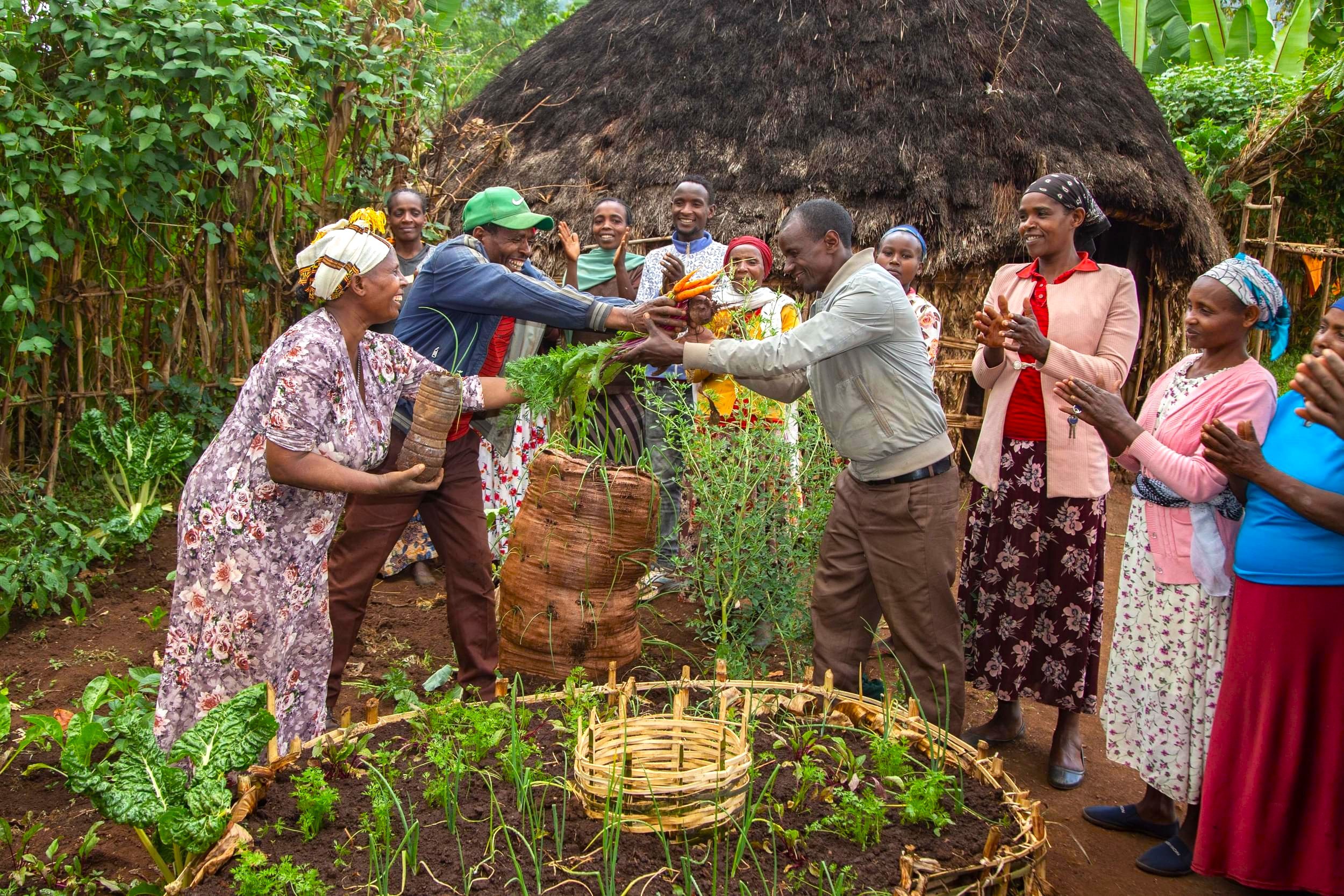
https://d1l97138avwug7.cloudfront.net/CAPTION.jpg
Ayelech, project participant from phase I, is a ‘Model Farmer’, showing her kitchen garden and sharing seeds and vegetables with her neighbours so they too can learn and benefit.
“Through applying the THM, my family exercises shared household responsibilities and cooperation, which strengthened my family’s bonds. My family now experiences improved food security, diversified diets, and greater economic independence.”

 - Amarech, project participant

Achievements so far

Year 1 progress

0%

of women are actively participating in decision-making within their households (up from 1

0%

of the communities’ farmers report increased access to markets (up from 7%)

0%

of participants are regularly saving in their SHGs (up from 0% at project start)

Funding partner

The Starbucks Foundation

The Starbucks Foundation is the philanthropic arm of Starbucks, supporting community-led solutions that strengthen resilience and opportunity in coffee-growing communities and beyond. It focuses on improving livelihoods, advancing equity, and supporting climate resilience, with a strong emphasis on partnerships that help smallholder farmers and their families build more secure and sustainable futures.

How you can get involved

Thank you to all supporters, partners, and staff who make this and other projects possible. Change starts with your support.

You can learn more about our work in this area, or take action and support our mission.

Make a donation

Donate

Make a donation

Donate

Partner with us

Explore partnerships

Partner with us

Explore partnerships

Learn about our impact

View our impact

Learn about our impact

View our impact
Sign up to hear more

Want to hear good news stories from Africa, get involved in fantastic fundraising and be part of exciting events? Fill out your details below and we will keep you updated by email.

Name *

* Required information.

By providing your email address above, you are confirming that you are happy for Ripple Effect to contact you by email. We will use your email to let you know about news, events, fundraising and appeals. We will never sell or trade your details. Read more about how we value your privacy. You can unsubscribe at any time by emailing info@rippleeffect.org or by clicking the unsubscribe link in any email we send.

Are you in the right place?

If you are in the US you might be interested in the US site, if so please click the link below.