Back

Innovations for Reduced & Redistributed Unpaid Care Work (I4RR)

Location: Bungoma County, Kenya
Duration: April 2024 - March 2027

This project works with rural communities in Kenya to reduce the burden of unpaid care work on women and girls through challenging gender and social norms, and implementing labour-saving solutions.

Our approach

The project combines labour-saving innovations with gender-transformative approaches to reduce and redistribute unpaid care work. Through community groups, families adopt improved forage production, use donkeys to ease workloads, establish childcare services and strengthen shared household decision-making through THM and SASA!.

The project tests practical innovations to reduce the amount of time and physical effort women and girls spend on unpaid work. In rural households, this includes producing and transporting livestock feed, fetching water and firewood, preparing food, caring for children and older people, and other household and farm duties. Livestock feed provision is a particular focus because women contribute significantly to this work but often have less control over the livestock assets and income they help to generate.

Within livestock production, farmers are testing improved forage varieties and labour-saving approaches for growing, harvesting, processing and conserving animal feed. Other solutions include energy-saving stoves so that less wood is required to be collected, and donkeys for transporting heavy loads that would require multiple trips for women and girls.
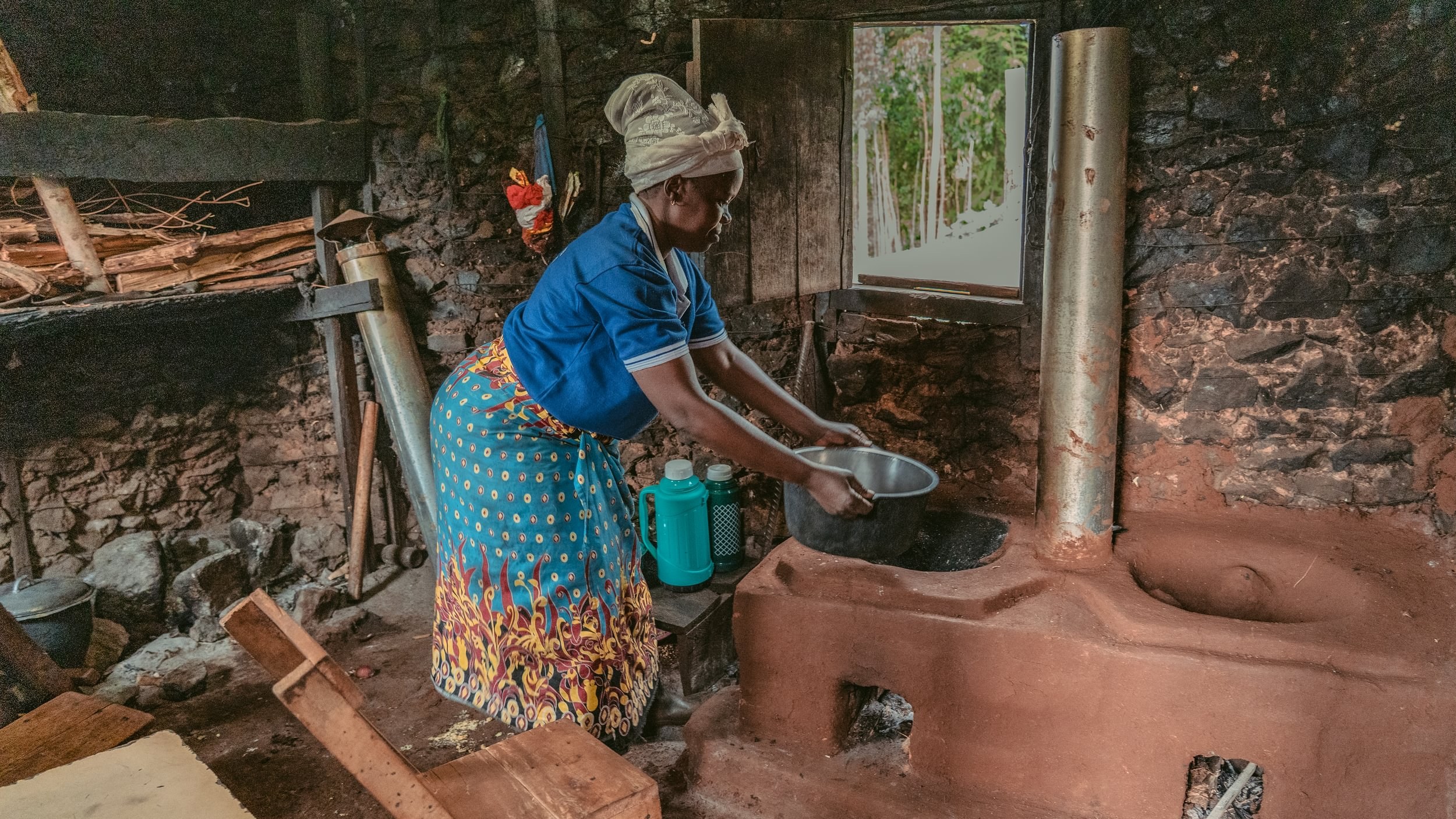
https://d1l97138avwug7.cloudfront.net/Carols-energy-saving-stove-2-Large.jpg
Carol, a I4RR project participant, using her energy-saving stove that requires less wood and lets her cook longer

The I4RR project recognises childcare as a significant part of women’s unpaid workload and is testing community-based childcare as a practical way to free up women’s time. It maps existing childcare services and strengthens providers to improve the safety and quality of care, with 33 childcare providers trained across Kenya and Ethiopia in safe and developmentally appropriate childcare. By providing children with a safe place to play and learn, childcare gives mothers more time to work, develop skills and participate in income-generating activities and community groups. It can also reduce the caring responsibilities often taken on by older girls, giving them more opportunity to attend school, focus on their education and spend time with friends.

Importantly, the project sees childcare as more than a service for individual families. It is part of a wider effort to shift responsibility for care from women alone towards families and communities, alongside gender-transformative work that encourages men to share domestic and care responsibilities. The project is also working with governments and private providers to explore how community childcare can become more affordable and widely available.

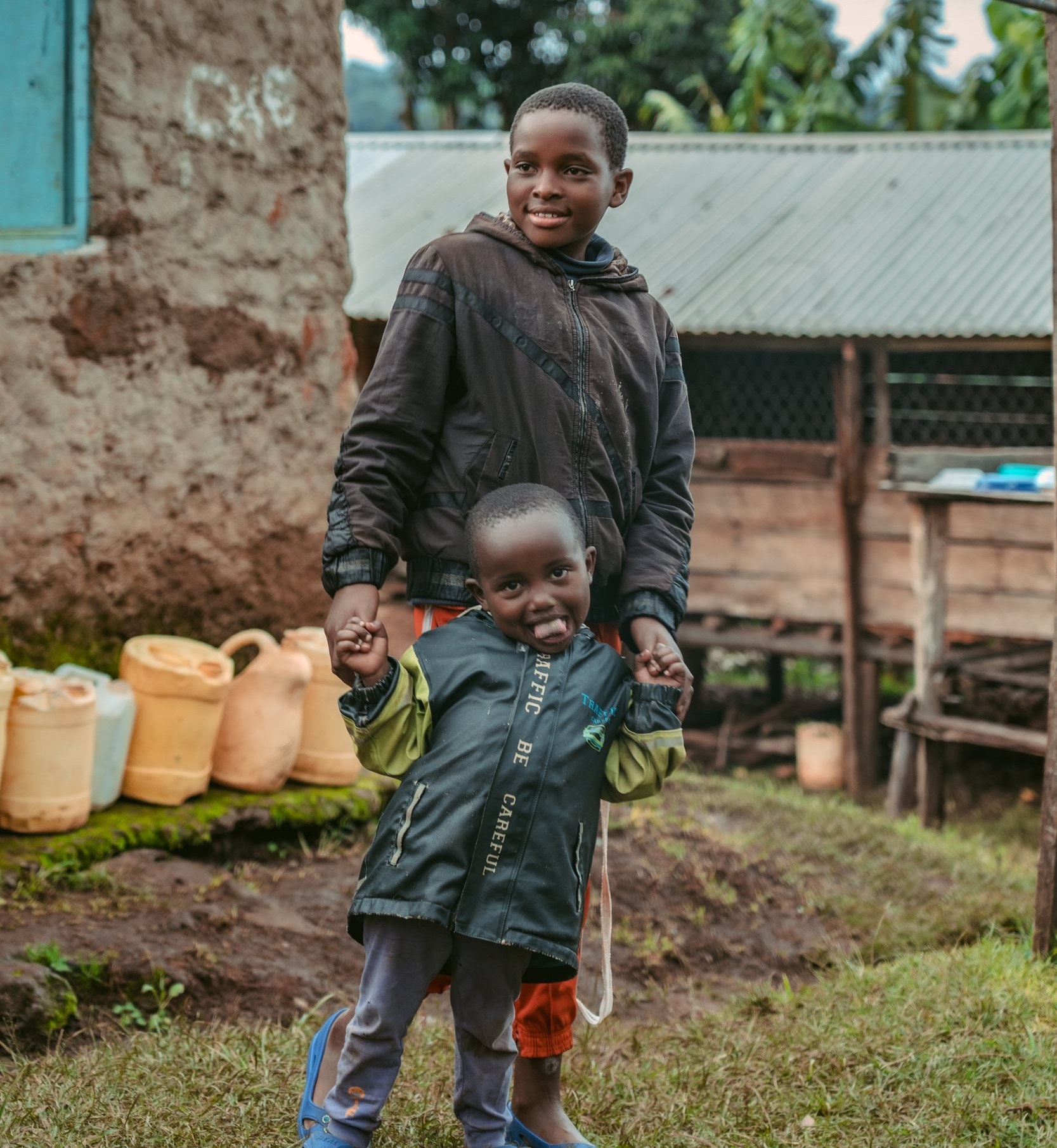
https://d1l97138avwug7.cloudfront.net/Carols-daughter-and-an-orphan-she-looks-after-Large-1.jpg
Carol’s daughter and an orphan child she is now looking after

The project supports women to have greater control over their time, income, assets and household decisions, while challenging the social norms that place responsibility for unpaid care and farm work primarily on women. Through Transformative Household Methodology (THM), families discuss how household responsibilities, access to resources and decision-making are shared, encouraging more equitable relationships and greater involvement of men in domestic and farm duties.

The SASA! approach extends this work beyond individual households, helping communities recognise unequal power dynamics, challenge restrictive gender norms and address different forms of violence. Community leaders and trained champions support conversations about gender, care responsibilities and women's participation, helping shift attitudes at community level.

By combining these approaches with labour-saving innovations, the project aims not only to reduce the amount of unpaid work women do, but to redistribute responsibilities more fairly and increase women's voice, agency and economic opportunities.

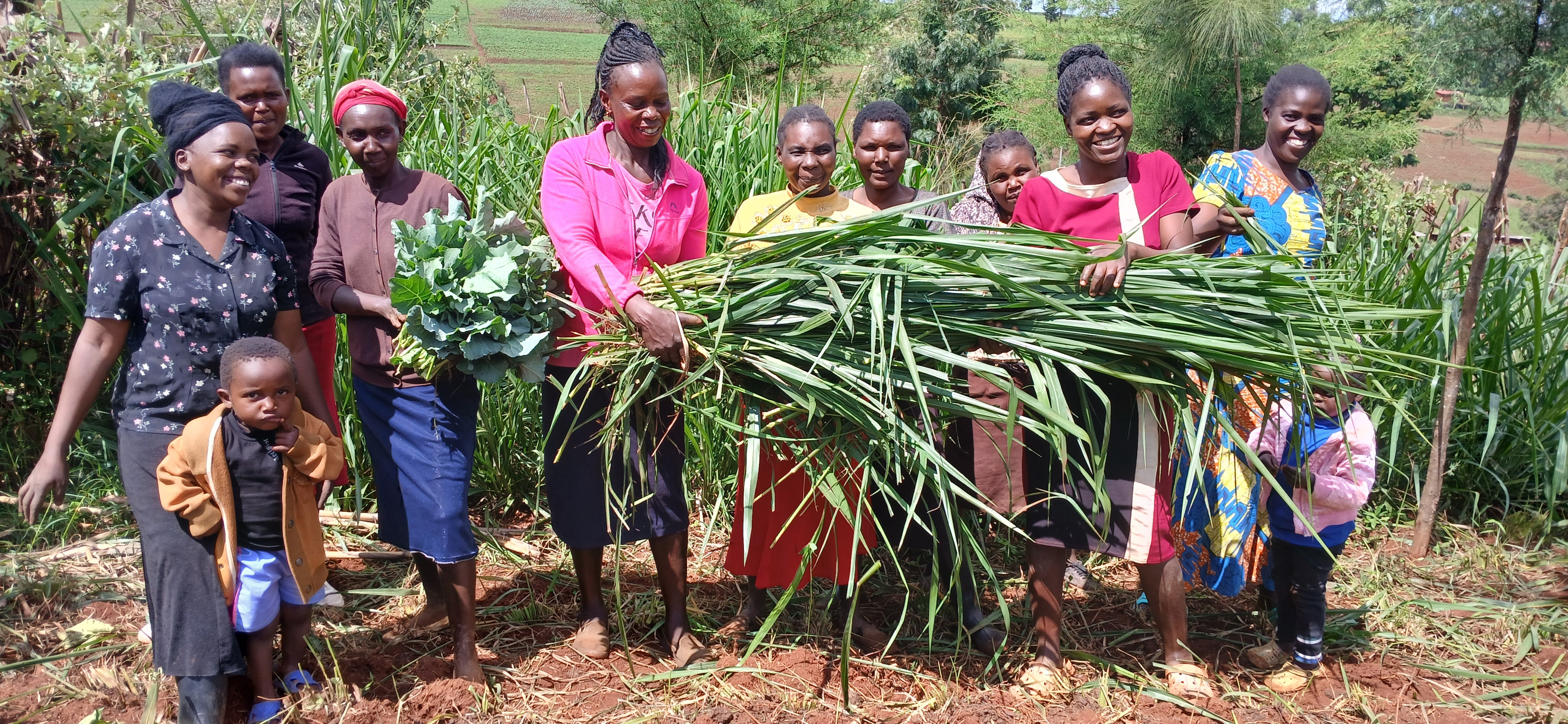
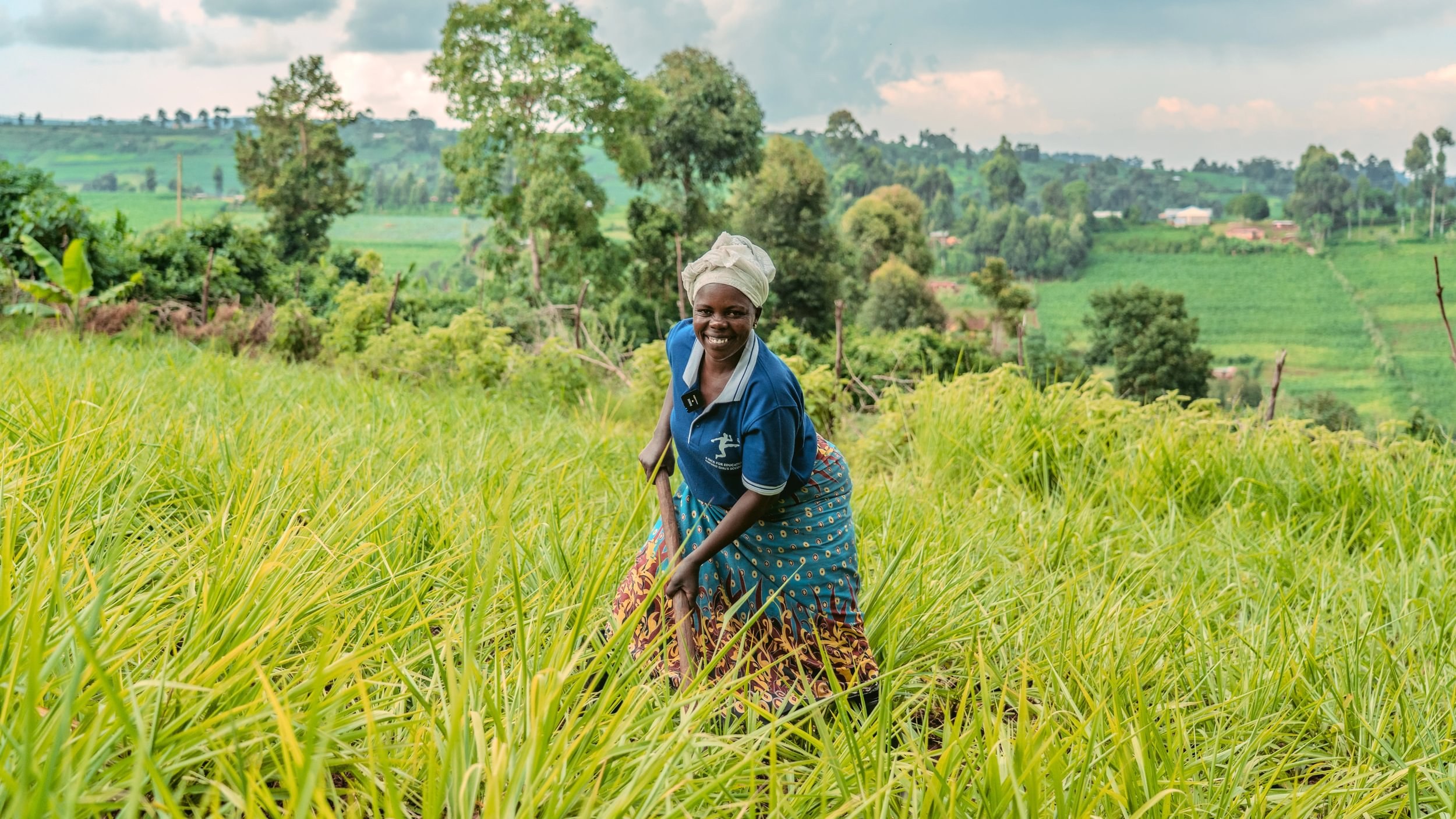
https://d1l97138avwug7.cloudfront.net/Lakweyeet-Women-group-members-celebrating-their-first-harvest-of-grass.jpg
I4RR self-help group of women celebrating their successful fodder harvest

I4RR is designed as an evidence-generating project, testing which combinations of social and practical innovations are most effective at reducing and redistributing women’s unpaid care work. The project collects both quantitative and qualitative evidence to measure changes in women’s workloads, empowerment, decision-making and gender norms, as well as the effects on general livelihoods.

The Women’s Empowerment in Livestock Index (WELI) is used to measure changes in women’s empowerment, including time allocation and work balance. Qualitative research through focus group discussions and interviews explores the reasons behind these changes, including attitudes towards childcare, livestock feeding, forage production and women’s roles within households and communities.

The project is also testing different combinations of solutions, including labour-saving forage approaches, donkey use, childcare and gender-transformative methods, to understand what works best in different contexts. Evidence from the research will help identify approaches that can be adapted, replicated and scaled, while contributing to wider discussions and policy on unpaid care work in agricultural communities.

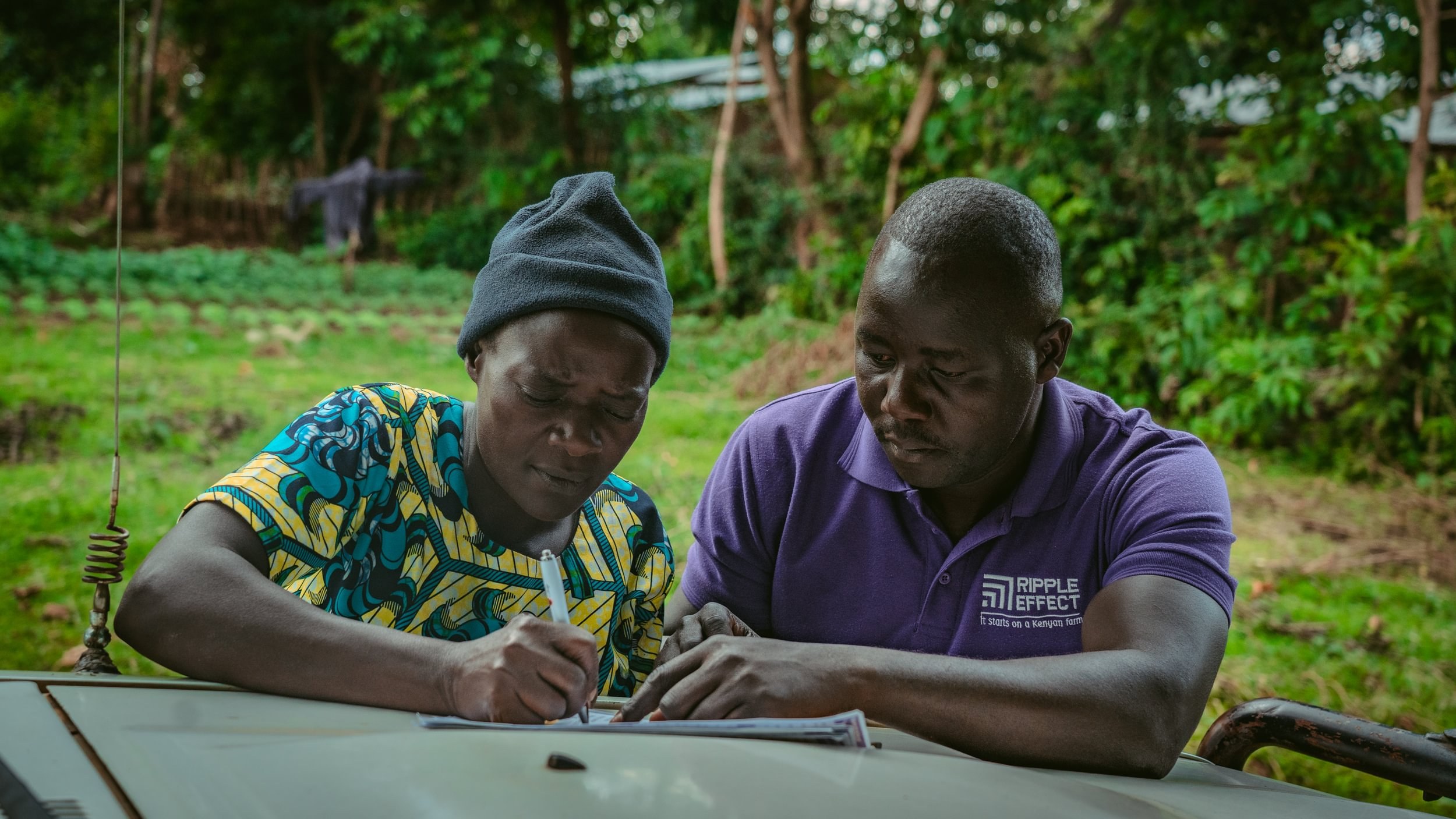
https://d1l97138avwug7.cloudfront.net/Emmanuael-collecting-consent-from-Mildred-Large_2026-09-08-102126_jwza.jpg
Mildred, a project participant, and Ripple Effect staff member, completing some paperwork

Through I4RR, families build more stable incomes and sources of food through productive farming systems, by combining agroecological practices with improved livestock management.

Farmers are trained in sustainable techniques that increase production and protect natural resources, including crop rotation, composting, integrated pest management, mulching, kitchen gardens and improved water management.

The project also promotes integrated crop and livestock systems, providing training on animal health, housing, feeding and disease prevention. Farmers are supported to make better use of their livestock, including recycling manure to improve soil fertility, and learning how to make safe harnesses and saddles to promote donkey wellbeing.

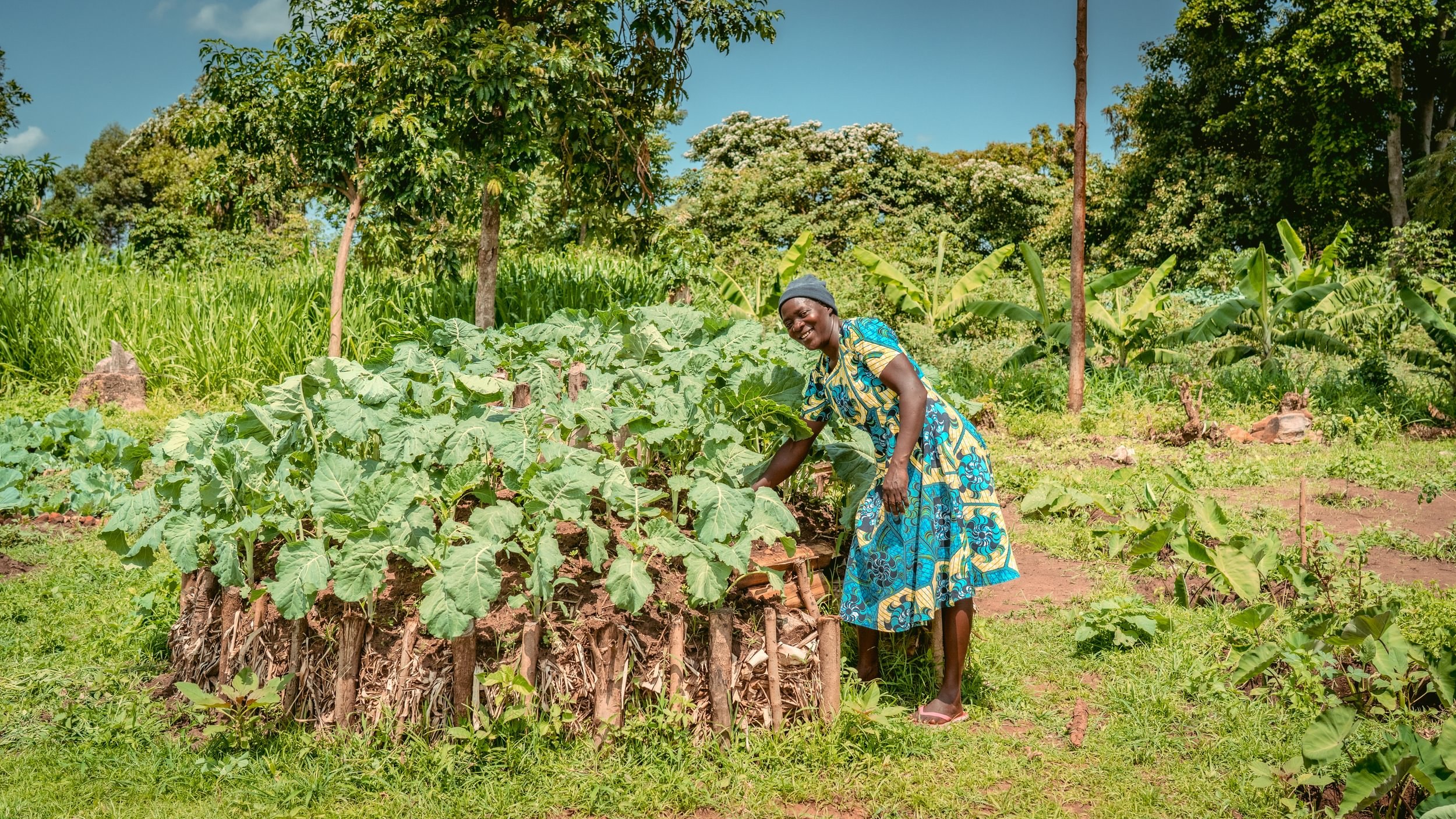
https://d1l97138avwug7.cloudfront.net/Mildred-and-her-keyhole-garden-4-Large.jpg
Mildred, a I4RR project participant, with the keyhole garden she built
“We've learned to redistribute chores more fairly. After coming together as a family, we have looked at who is doing what and how that makes us feel. Now my husband will even cut grass for me which didn't happen before. He also bought me a donkey to make my work easier.”

- Carol, I4RR project participant

Achievements so far

Year 2 progress

0%

of women in the project reduced their daily workload to fewer than 10.5 hours

>0

people reached with THM training, improving family relations & joint decision-making

0%

of self-help group households were classified as food secure as of year 2

Funding partner

International Development Research Centre (IDRC)

The International Development Research Centre (IDRC) is a Canadian organisation that supports research and innovation to help build a more sustainable, inclusive and prosperous world. Working with partners across the Global South, IDRC funds research that addresses pressing development challenges and helps turn evidence and ideas into practical solutions that can improve people’s lives.

How you can get involved

Thank you to all supporters, partners, and staff who make this and other projects possible. Change starts with your support.

You can learn more about our work in this area, or take action and support our mission.

Make a donation

Donate

Make a donation

Donate

Partner with us

Explore partnerships

Partner with us

Explore partnerships

Learn about our impact

View our impact

Learn about our impact

View our impact
Sign up to hear more

Want to hear good news stories from Africa, get involved in fantastic fundraising and be part of exciting events? Fill out your details below and we will keep you updated by email.

Name *

* Required information.

By providing your email address above, you are confirming that you are happy for Ripple Effect to contact you by email. We will use your email to let you know about news, events, fundraising and appeals. We will never sell or trade your details. Read more about how we value your privacy. You can unsubscribe at any time by emailing info@rippleeffect.org or by clicking the unsubscribe link in any email we send.

Are you in the right place?

If you are in the US you might be interested in the US site, if so please click the link below.