Back

Boresha Mazingira ('Improve the Environment')

Location: West Pokot County, Kenya
Duration: March 2024 - March 2027

This project works with 15,000 vulnerable people in Kenya to strengthen climate resilience by combining sustainable agriculture, natural resource management, improved nutrition, enterprise development and gender equality, enabling families to build secure livelihoods and protect their environment.

Our approach

The Boresha Mazingira project brings families together through self-help groups to build healthier farms and more resilient communities. By improving farming practices, restoring natural resources, strengthening local organisations and promoting gender equality, the project equips communities to adapt to a changing climate.

The project builds strong, community-led structures that enable local people to take ownership of climate resilience and sustainable development long after the project ends. Participants are organised into self-help groups, alongside strengthened cooperatives and community committees, including Water User Committees, Tree Nursery Committees and Disaster Risk Reduction Committees. These groups provide a platform for communities to share knowledge, identify local priorities and work together to address the challenges they face.

Training is provided in leadership, governance, financial management and advocacy, equipping group leaders with the skills to manage organisations effectively and represent their communities. The project also strengthens Pokot farmer cooperatives, improving coordination between farmers and creating greater opportunities for collaboration. Community forums bring together local groups, government representatives and other development actors to influence local policy and advocate for climate action. Women and young people are actively encouraged to participate in these structures and take on leadership positions.
https://d1l97138avwug7.cloudfront.net/Isaac-and-Lucy-in-her-kitchen-garden-1-Large.jpg
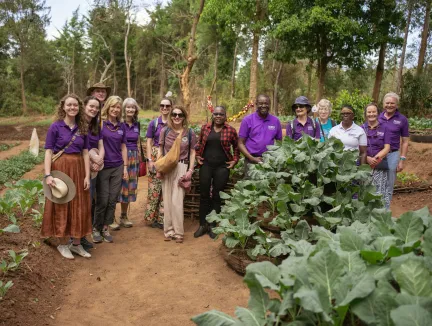
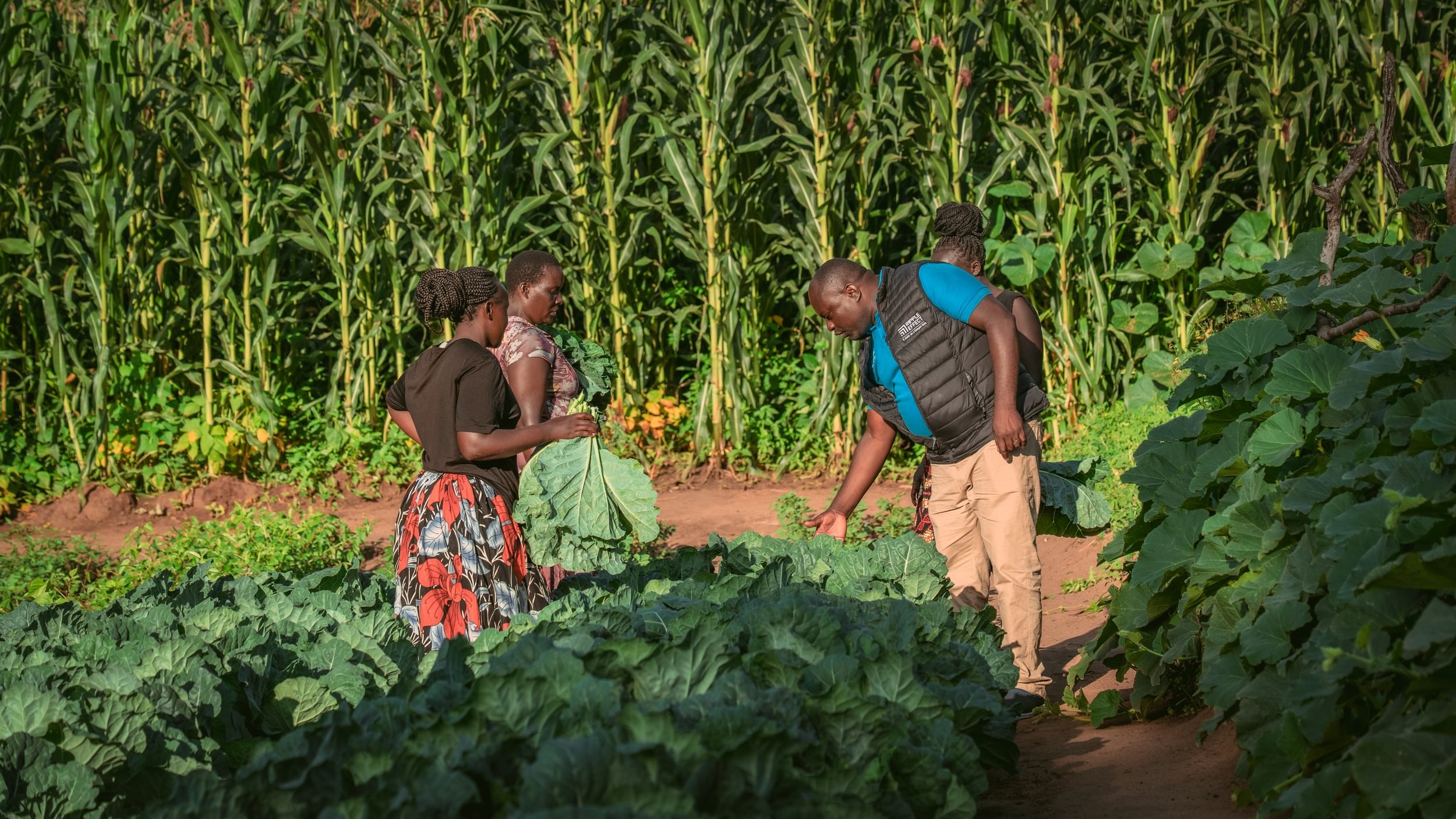
Ripple Effect staff with Boresha Mazingira project participants in their field.

Families receive practical training and ongoing support to adopt climate-smart farming practices that increase productivity while protecting the natural resources on which their livelihoods depend. Training covers sustainable agriculture, natural resource management, soil and water conservation, agroforestry, integrated pest management and improved livestock management, enabling farmers to produce more food while adapting to increasingly unpredictable weather. The project provides drought-tolerant seeds, tree seedlings and improved livestock to help families put new knowledge into practice immediately.

Farmers learn techniques such as rainwater harvesting, composting organic waste into natural fertiliser, planting trees alongside crops, restoring degraded land and introducing fuel-efficient stoves that reduce reliance on firewood and help prevent deforestation. Improved water management protects rivers, wetlands and surrounding ecosystems while increasing the availability of water for both agriculture and household use.

https://d1l97138avwug7.cloudfront.net/Selena-and-her-daughter-with-their-greens-Large_2026-09-10-122856_tgnm.jpg
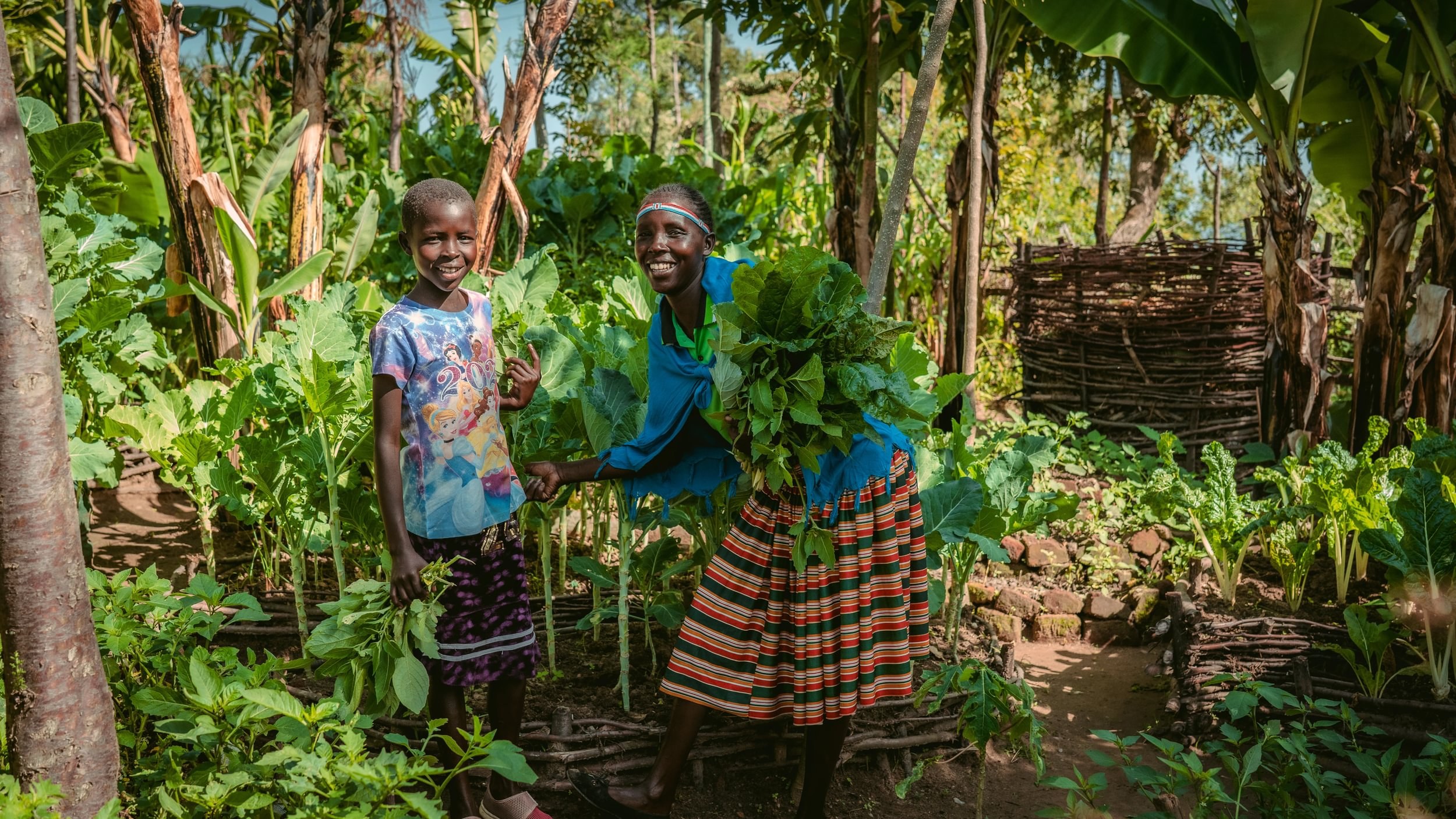
Selena, project participant, and her daughter, collecting crops from their land.

The project takes an integrated approach to improving family health by combining increased food production with better nutrition knowledge, healthcare and water, sanitation and hygiene (WASH) practices. Families are trained in nutrition, healthy food preparation, primary healthcare, hygiene, sanitation and safe water management through self-help groups, community demonstrations and health awareness events.

Community Health Volunteers also promote disease prevention, maternal and child health, HIV awareness and family wellbeing, while strengthening links between communities and local health services. Improved access to water for both household use and agriculture reduces the burden of water collection while supporting healthier living conditions and more productive farms.

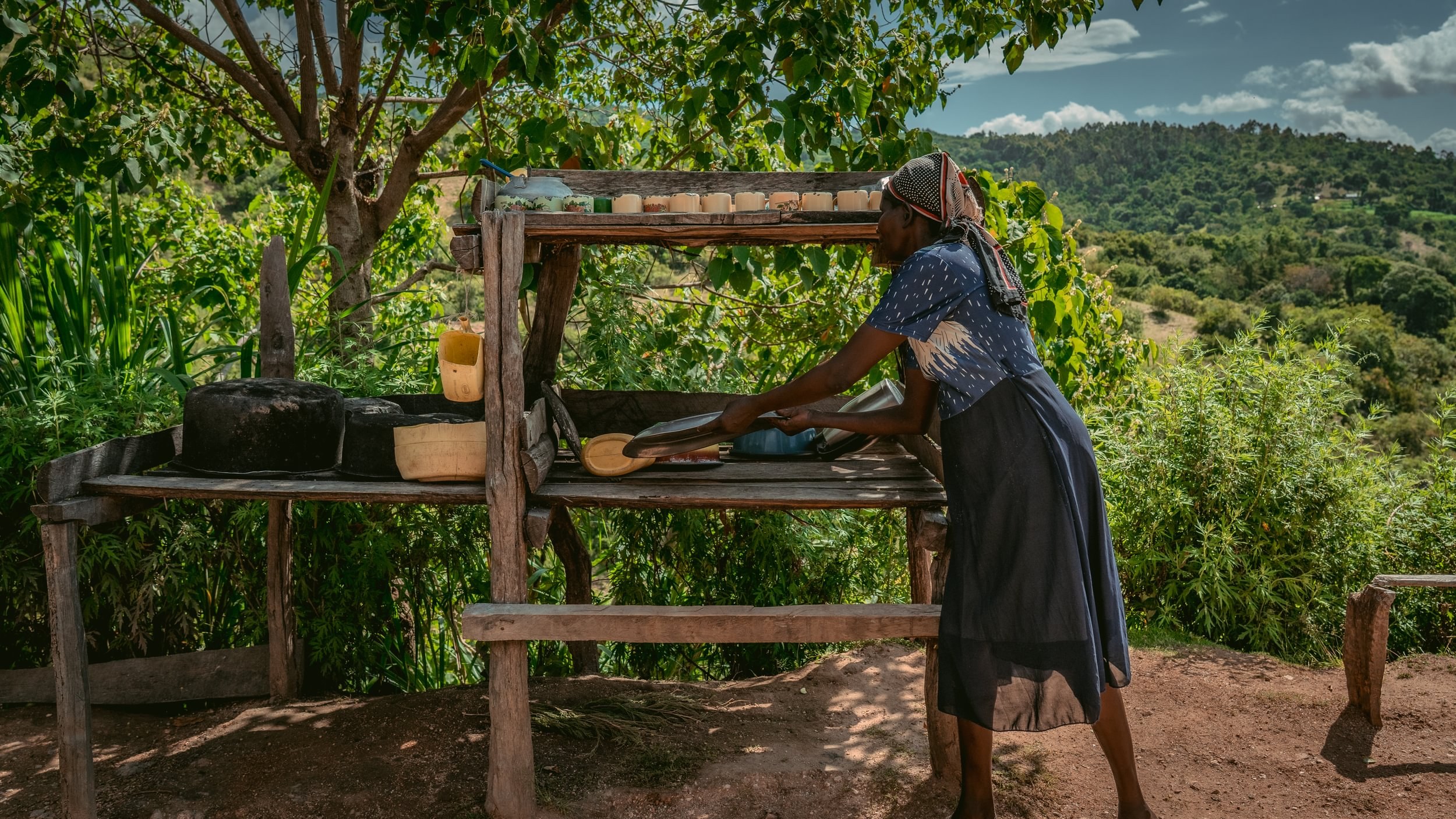
https://d1l97138avwug7.cloudfront.net/Mary-with-their-dishrack-1-Large.jpg
Mary’s dish washing station, built since she learned about improved hygiene through the programme.

The project helps families build more secure and diverse livelihoods by increasing agricultural productivity and creating new income-generating opportunities. Farmers receive training in business planning, financial literacy and enterprise development, helping them view their farms as profitable businesses rather than solely a means of subsistence.

Self-help groups are supported to establish Village Savings and Loan Associations (VSLAs), providing members with access to savings and affordable loans that can be invested in farming, small businesses or household needs. Training in income generation encourages families to diversify into higher-value crops, vegetables, fruit production and improved livestock enterprises, while livestock breeding programmes improve the quality and productivity of animals. 

By working collectively through self-help groups and cooperatives, farmers strengthen their bargaining power, access markets more effectively and participate in agricultural value chains, increasing household incomes and creating employment opportunities within their communities.

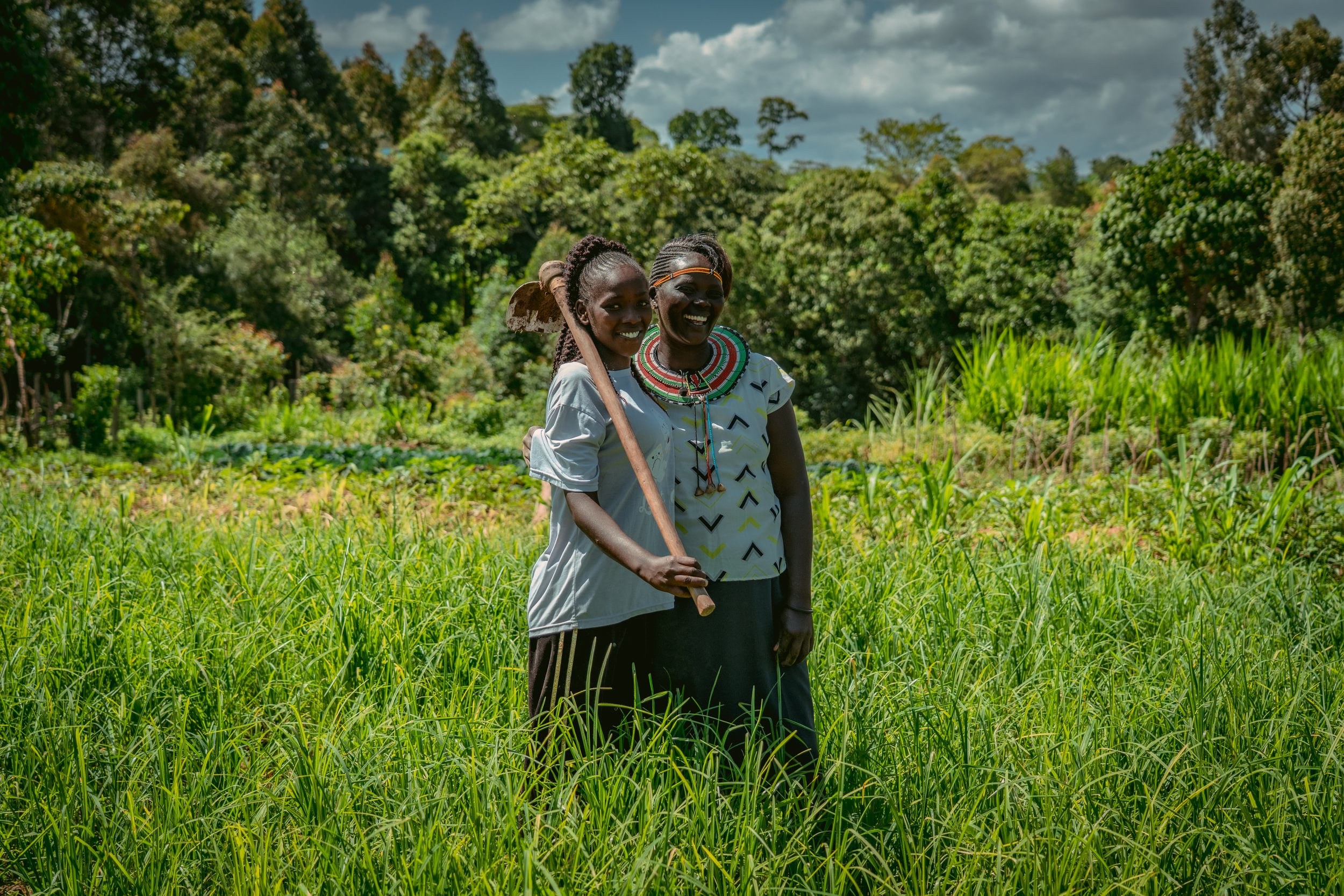
https://d1l97138avwug7.cloudfront.net/Priscilla-in-her-field-with-her-daughter-1-Large_2026-09-10-123108_yalc.jpg
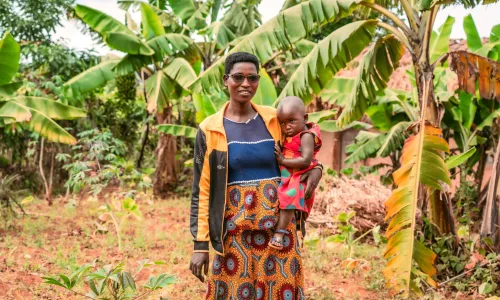
Priscillah, a Boresha Mazingira project participant, and her daughter standing in their field.

The project addresses the root causes of inequality by challenging harmful social norms, increasing access to resources and creating opportunities for women and marginalised groups to take on leadership roles within self-help groups, community organisations and local decision-making forums.

Using Ripple Effect's Transformative Household Methodology (THM), families are supported to examine household roles, responsibilities and control over resources through facilitated discussions that encourage more equitable sharing of workloads and joint decision-making.

By reducing the disproportionate burden placed on women for childcare, food production, water collection and domestic work, the project helps free up time for women to participate in agriculture, enterprise development and community leadership.

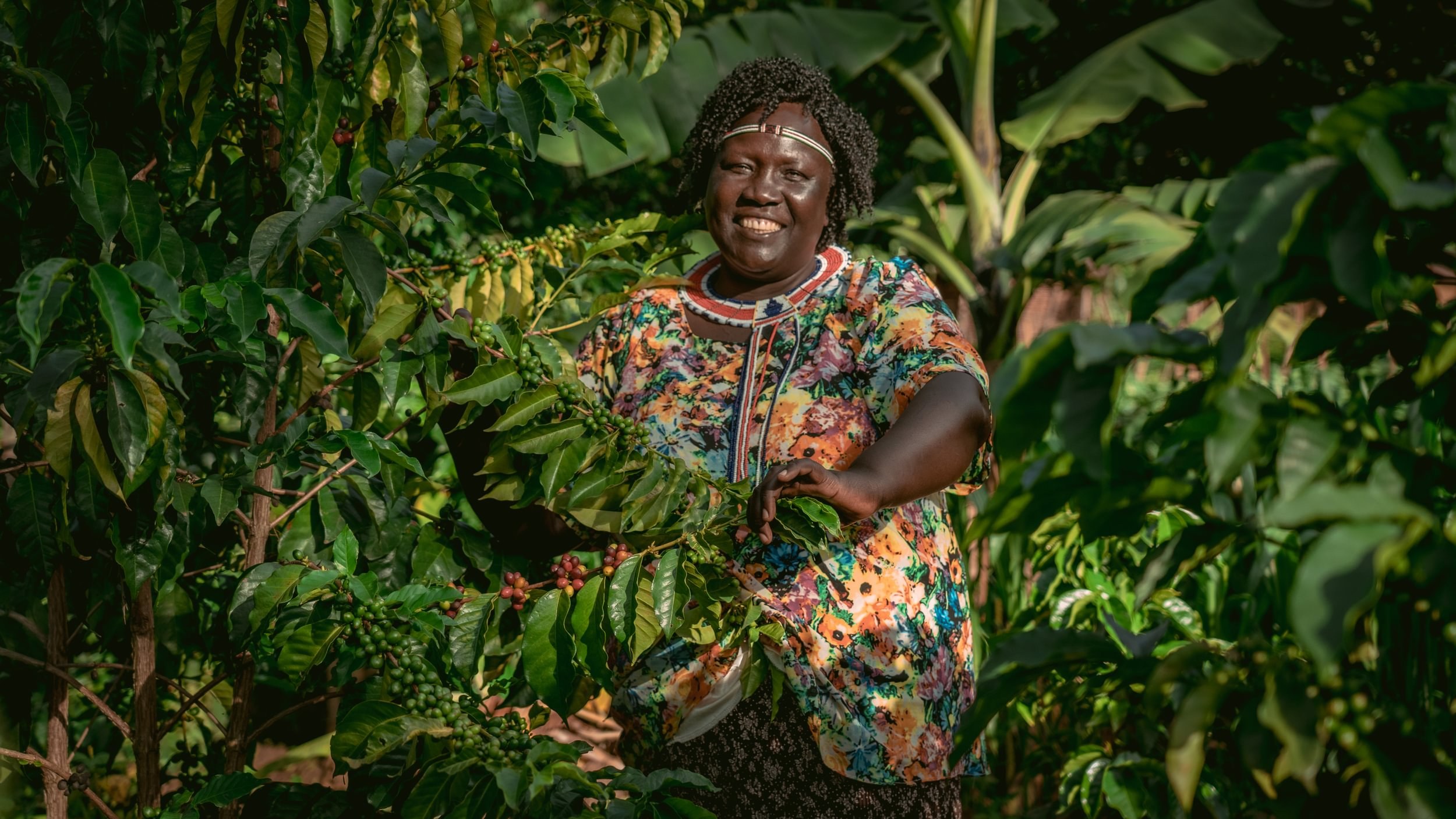
https://d1l97138avwug7.cloudfront.net/Lucy-with-her-coffee-2-Large_2026-09-10-123203_aklv.jpg
Lucy, a Boresha Mazingira projet participant, has become an inspirational community leader and peer farmer trainer.
"I have been able to start an agrovet business where I stock and sell chicken feeds, creating another source of income for my family. This journey has shown me that dreams can become reality through determination, hard work, and commitment.”

- Esther, project participant

Achievements so far

Year 2 progress

0%

of self-help group households have adopted six sustainable agriculture practices

0%

of self-help group households are now classified as food secure

0%

of self-help group members are actively participating in Village Savings and Loan schemes

Funding partner

Rabelais Trust

Rabelais Trust is a UK-based charitable trust that supports organisations working to improve the lives of people and communities facing disadvantage. Through its grants, the Trust supports practical and community-led initiatives that create lasting positive change.

How you can get involved

Thank you to all supporters, partners, and staff who make this and other projects possible. Change starts with your support.

You can learn more about our work in this area, or take action and support our mission.

Make a donation

Donate

Make a donation

Donate

Partner with us

Explore partnerships

Partner with us

Explore partnerships

Learn about our impact

View our impact

Learn about our impact

View our impact
Sign up to hear more

Want to hear good news stories from Africa, get involved in fantastic fundraising and be part of exciting events? Fill out your details below and we will keep you updated by email.

Name *

* Required information.

By providing your email address above, you are confirming that you are happy for Ripple Effect to contact you by email. We will use your email to let you know about news, events, fundraising and appeals. We will never sell or trade your details. Read more about how we value your privacy. You can unsubscribe at any time by emailing info@rippleeffect.org or by clicking the unsubscribe link in any email we send.

Are you in the right place?

If you are in the US you might be interested in the US site, if so please click the link below.