Back

Regeneration of Soils and Thriving Rural Ecosystems (Restore)

Location: Kirundo province (Burundi) and Bugesera district (Rwanda)
Duration: January 2025 - December 2026

The Restore project supports 2,000 households around Lake Cyohoha in Burundi and Rwanda to restore natural resources while building resilient livelihoods through climate-smart agriculture, gender equality and diversified enterprises.

Our approach

The Restore programme brings together environmental restoration and inclusive community development to improve food security, restore ecosystems and build resilience to unpredictable climates.

Through the Restore project, local communities increase their understanding of why soil and water conservation is important. Training focuses on how farmers both as individuals and collectives can adopt specific practices that will prevent erosion, and retain water and nutrients in the soils, both on their own farms and on communal land. This includes establishing progressive terracing, and recruiting local committees of engaged farmers through our Peer Farmer Trainer (PFT) initiative, who will maintain and protect these community resources after project completion, training neighbours and the next generation.

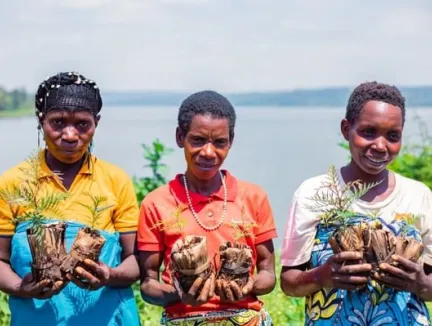
We link communities with sustainable sources of tree seedlings and support tree planting campaigns to bind soils, slow water run-off and reduce erosion. We also strengthen our partnerships with local government agencies in both Rwanda and Burundi and use their influence and resources to scale the impact of our work and embed it to ensure longer-term sustainability. Working with the government, farmers and other local stakeholders, we aim to restore and protect the 50m riparian buffer zone around the lake, creating a space for wildlife and natural processes.

“Protecting water sources gives farming families the confidence to invest in their farms, knowing they can build a stronger future despite a changing climate.” - Meshark Sikuku, Sustainable Agriculture Coordinator
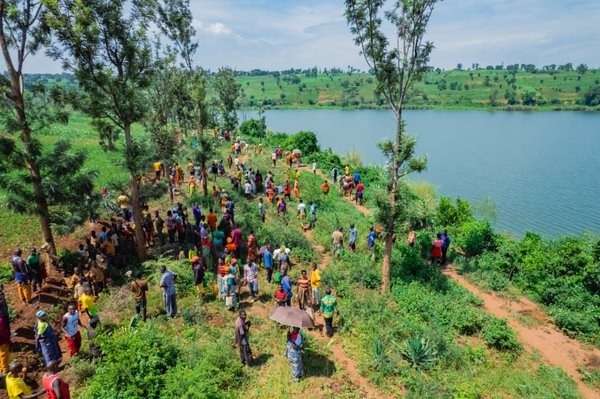
https://d1l97138avwug7.cloudfront.net/Tree-planting-Burundi-Small-1.jpg
Restore project participants on their tree planting day by lake Cyohoha, in Burundi

Climate-smart farming enables families to produce more food while restoring the health of their land. Farmers take part in practical training on agroecological farming techniques that improve soil fertility and biodiversity.

They learn how to integrate crops and livestock, produce organic compost using household and animal waste, manage pests naturally through companion planting and push-pull technology, and capture and store rainwater for use during dry periods. Communities establish demonstration farms and tree nurseries where they can learn new techniques and access fruit, agroforestry and fodder trees.

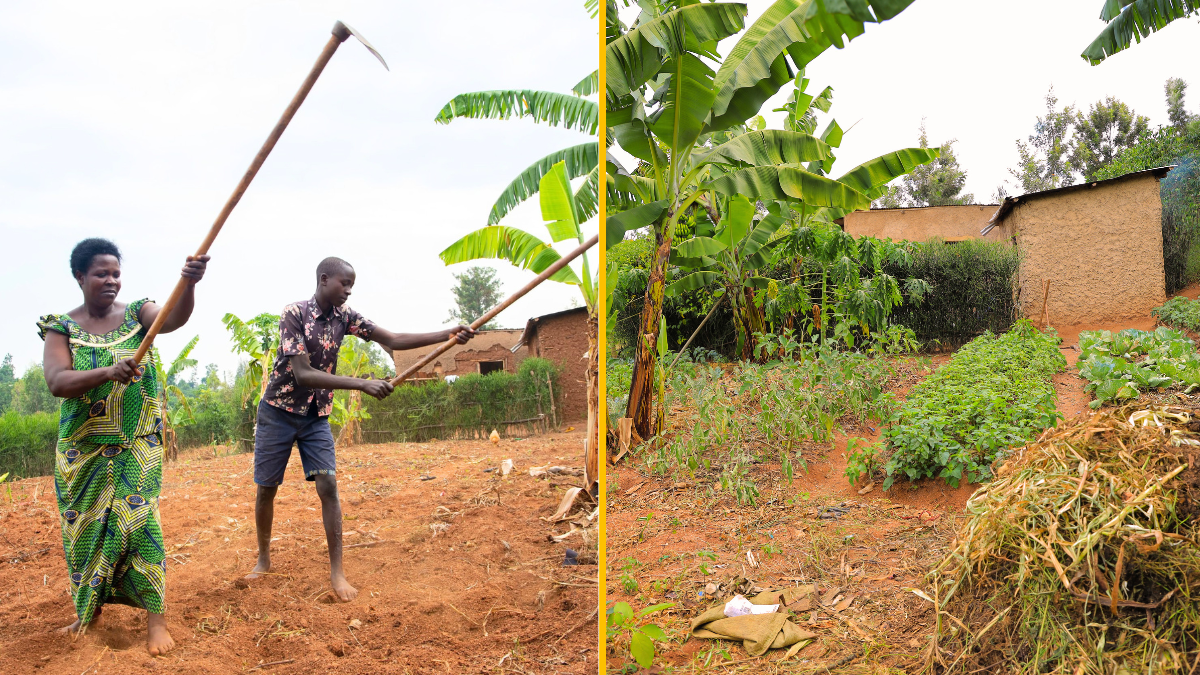
https://d1l97138avwug7.cloudfront.net/Jeanne-blog.png
Jeanne, a Restore project participant, at her farm. Showing Year 0 (at project start on the left), and Year 1 (one year in, on the right).

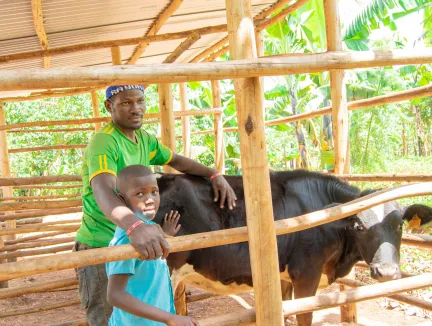
Healthy livestock are essential to healthy farms and resilient livelihoods. Farmers develop practical skills in animal husbandry, learning how to improve feeding, housing, hygiene, breeding and disease prevention to keep livestock healthier and more productive. They also establish fodder plots, grow drought-tolerant forage crops and learn how to conserve feed through hay making and crop residues, ensuring animals have nutritious feed throughout the year.

Community Animal Health Workers (CAHWs) receive specialist training and equipment to provide ongoing veterinary support within their villages, while rehabilitated water sources improve access to clean water for both livestock and households. 

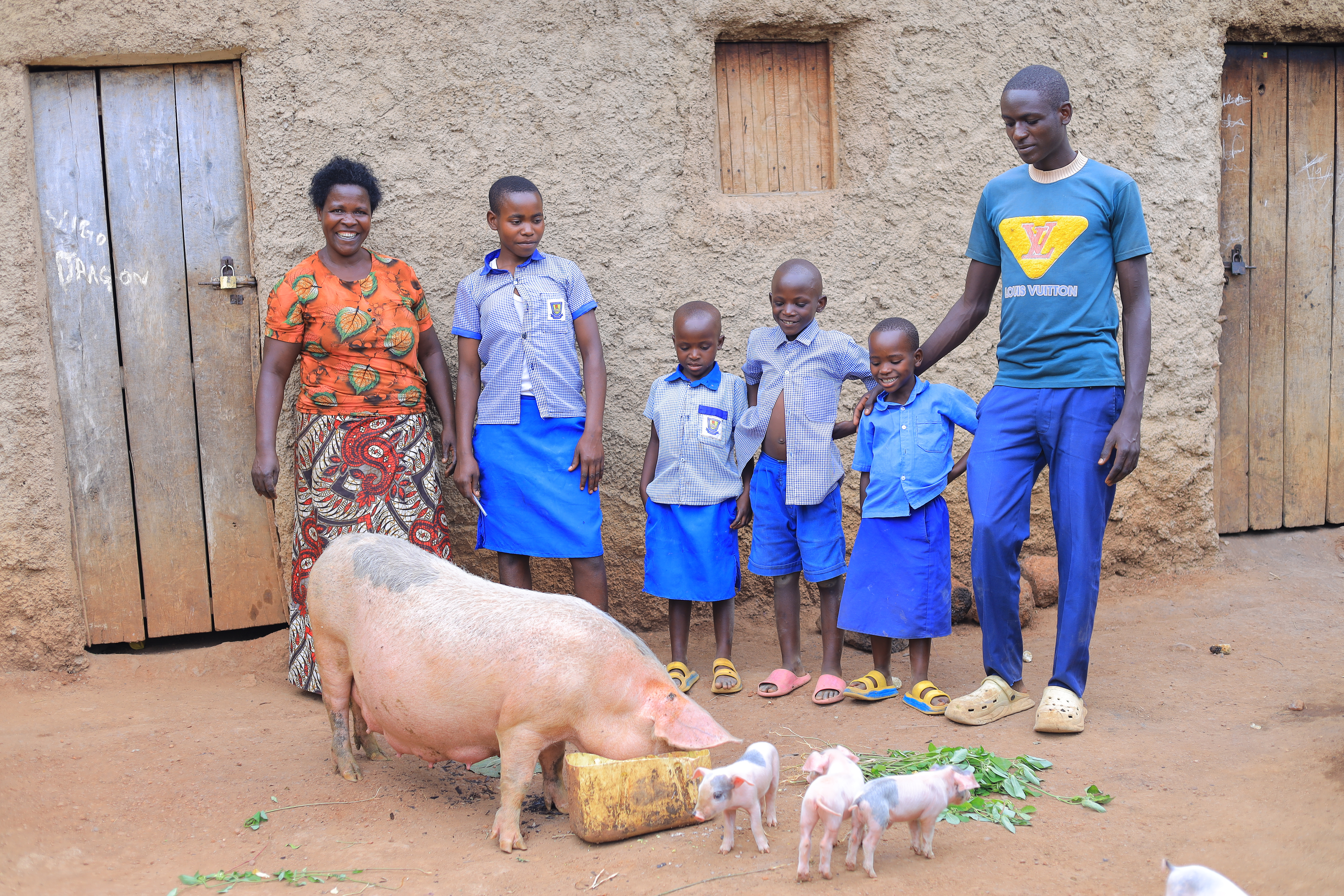
“Before the Restore project, my livestock farming was not productive. After receiving training from the Ripple Effect, I learned how to properly care for my livestock. Ripple Effect gave me a pig. I raised it properly and took good care of it, and the pig has now had four piglets…and its weight has increased considerably. The piglets are healthy and growing well. As a result, the value of my animal has increased significantly. The pig also provides manure, which will help me improve soil fertility” - Jeanne

https://d1l97138avwug7.cloudfront.net/IMGL0162.JPG
Jeanne, Restore project participant, with her family and pigs.

Diversified incomes and greater financial confidence help farming families build secure futures and withstand climate and economic shocks. Farmers strengthen their business and financial skills, establish Village Savings and Loan Associations (VSLAs), and access new market opportunities through stronger links with cooperatives, businesses and financial institutions. This enables households to invest in their farms, grow sustainable enterprises and create more reliable sources of income. The impact extends beyond farming. Jeanne's son, Japhet, shared:

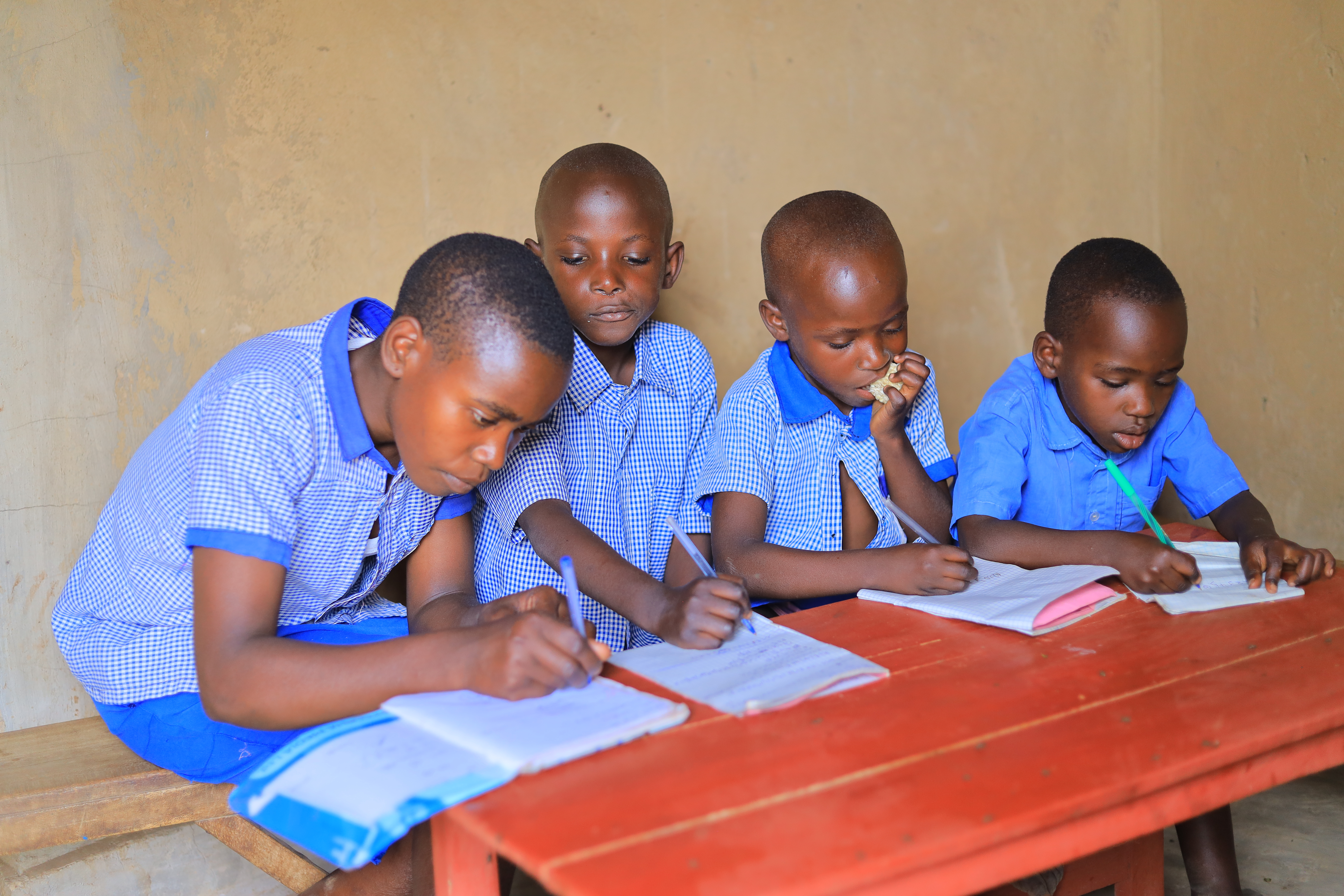
"After my mother joined the Restore Project, a lot changed. Before, I sometimes had to miss school and look for work to earn money to buy notebooks. Now, when it is market day, I can harvest vegetables from our garden, sell them at the market, and easily get the money I need to buy my notebooks."

https://d1l97138avwug7.cloudfront.net/IMGL0148.JPG
Jeanne’s children doing their homework. Their school attendance has improved since joining the project.

The Restore project works with women, men, young people and people with disabilities to ensure everyone can participate in decisions about natural resources and benefit from sustainable livelihoods. Communities take part in training on disability inclusion, safeguarding and gender equality, while awareness sessions challenge harmful social norms and promote family wellbeing.

Using Ripple Effect's Transformative Household Methodology (THM), families develop a shared vision for their future, encouraging joint decision-making, shared responsibilities and more equitable access to land, income and natural resources. By strengthening relationships within households and empowering women to play a greater role in family and community life, the project creates more inclusive, resilient communities that are better equipped to protect the environment and build sustainable livelihoods for future generations.

"Gender equality is not an outcome of development - it is a driver of it. When every member of the household can contribute and be heard, families are better equipped to overcome poverty and climate change" - Sofanit Mesfin, Gender & Social Inclusion Coordinator

https://d1l97138avwug7.cloudfront.net/IMGL0215.JPG
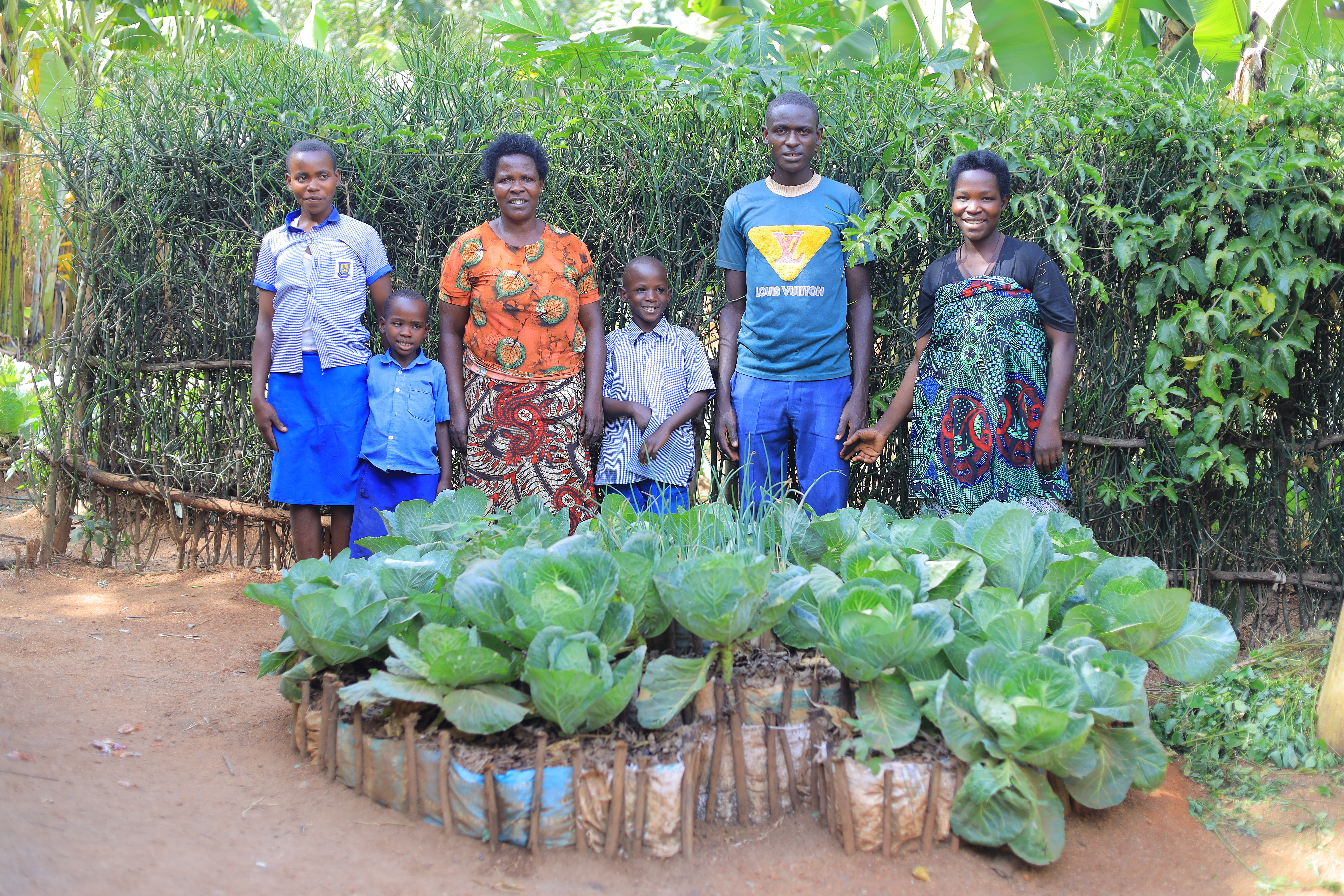
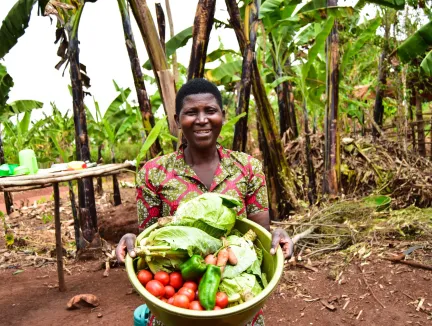
Jeanne with her family in the kitchen garden she has created with the training she received from Ripple Effect 
Jeanne is now sharing her skills with others in her community. Her neighbour Beata said, "Jeanne encouraged me to grow my own vegetables instead of buying them. Now I save money on food and use it to buy water for irrigating our garden."

Achievements so far

Year 1 progress

>0ha

of land protected in Rwanda and Burundi under sustainable land management practices

0%

of women in SHGs report improved participation in decision-making on use of natural resources

>0

trees planted in Rwanda and Burundi since project start (fruit trees, fodder and agroforestry trees)

Funding partner

Isle of Man Government

The Isle of Man Government works to support sustainable development and improve lives both on the island and around the world. Through its international development efforts, it supports initiatives that help communities build resilience, tackle poverty and create lasting opportunities for a more sustainable future.

How you can get involved

Thank you to all supporters, partners, and staff who make this and other projects possible. Change starts with your support.

You can learn more about our work in this area, or take action and support our mission.

Make a donation

Donate

Make a donation

Donate

Partner with us

Explore partnerships

Partner with us

Explore partnerships

Learn about our impact

View our impact

Learn about our impact

View our impact
Sign up to hear more

Want to hear good news stories from Africa, get involved in fantastic fundraising and be part of exciting events? Fill out your details below and we will keep you updated by email.

Name *

* Required information.

By providing your email address above, you are confirming that you are happy for Ripple Effect to contact you by email. We will use your email to let you know about news, events, fundraising and appeals. We will never sell or trade your details. Read more about how we value your privacy. You can unsubscribe at any time by emailing info@rippleeffect.org or by clicking the unsubscribe link in any email we send.

Are you in the right place?

If you are in the US you might be interested in the US site, if so please click the link below.