Back

Ongera Amata (Increase the Milk)

Location: Gatsibo and Nyagatare districts, Rwanda
Duration: December 2023 - November 2026

This project supports over 4,000 dairy farmers in rural Rwanda to increase milk production and strengthen their dairy businesses.

Our Approach

The Ongera Amata project strengthens small-scale dairy farming by equipping farmers with practical knowledge to improve cow health, nutrition, welfare and milk production. Farmers are encouraged to combine their milk through cooperatives, creating greater opportunities to access markets and increase their earnings.

Farmers develop the practical knowledge and skills needed to keep their cows both healthy and productive. Livestock management training in this project focuses on cows specifically, and covers animal welfare, suitable housing, hygiene, nutrition, and disease prevention, so that dairy farmers can create conditions where their livestock can thrive.

Farmers learn how to recognise and respond to health problems, provide clean water, and appropriate shelter, and make sure cows receive the right balance of nutrients at different stages of their lives.

Improving the care of each animal is particularly important for small-scale farmers who may rely on just one to three cows, as a healthy, productive cow can make a significant difference to the food and income available to a family. The project also promotes better access to nutritious and climate-resilient fodder, helping farmers maintain their cattle’s condition when weather conditions make feeding more difficult.
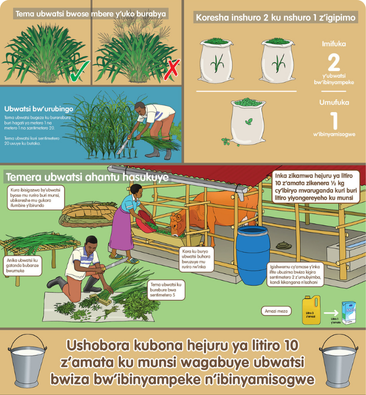
Educational poster about feeding livestock, shared with project participants


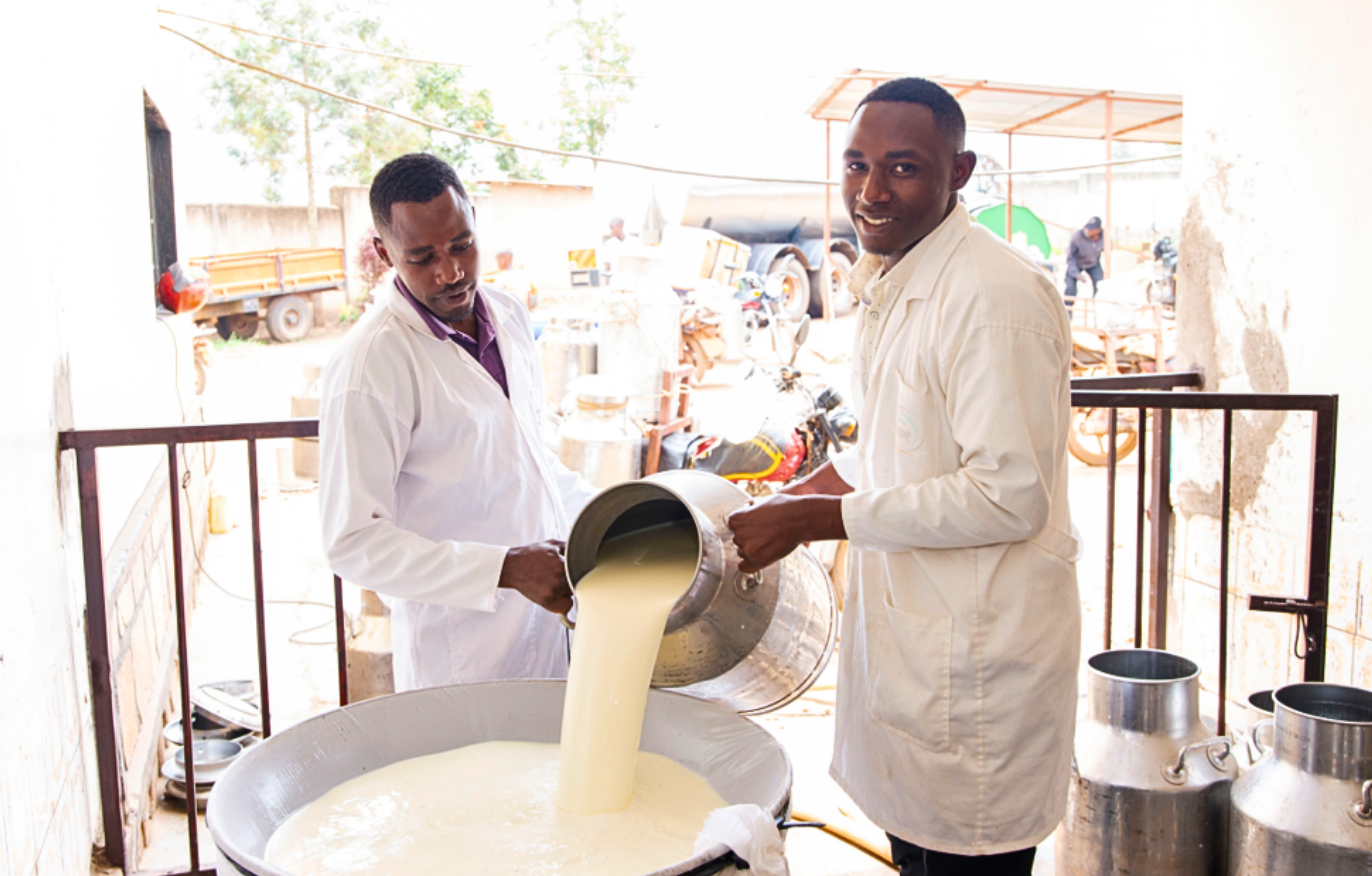
Through the project, farmers are supported to produce more milk while improving its quality and safety. Participants learn about improved breeding practices and the potential of higher-yielding cows, including Jersey breeds and suitable crossbreeds, so they can gradually improve the productivity of their cows. This is combined with practical training in milking hygiene, milk handling, storage and transportation, reducing the risk of contamination, spoilage and milk being rejected by buyers.

Technical expertise from The Dairy Group UK supports the project’s work to improve milk quality, while RJAHS contributes to genetic improvement with Jersey cow breeds.

“Sometimes small changes in the way a cow is cared for can have a big impact on milk production. But farmers also need the right breeding and good milk-handling practices, alongside access to reliable buyers. The project brings these different pieces together so farmers can improve production and get more value from their milk.” - Meshark Sikuku, Farming for the Future Lead

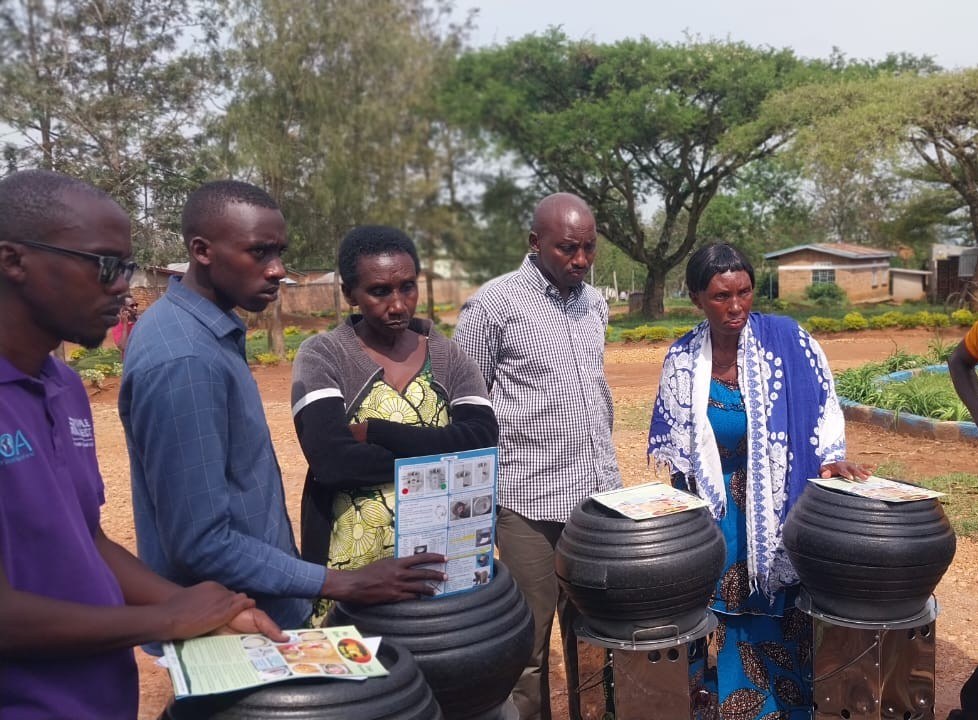
Ongera Amata participants learn about how their new stove can pasteurise milk to avoid premature spoilage

The project guides farmers so they can turn increased milk production into more reliable and sustainable income. Farmers form self-help groups and collectively develop the business skills to understand their costs, manage records, respond to market prices and make informed decisions about how to save and invest into their dairy activities.

As individual farmers often produce relatively small quantities of milk, they can combine their production through cooperatives, creating stronger links to buyers and greater opportunities to access markets collectively.

They also explore ways to add value to their milk, such as processing it into yoghurt and cheese, opening up additional opportunities to earn from their dairy production. By strengthening both their business skills and access to markets, participants get greater value from every litre they produce.

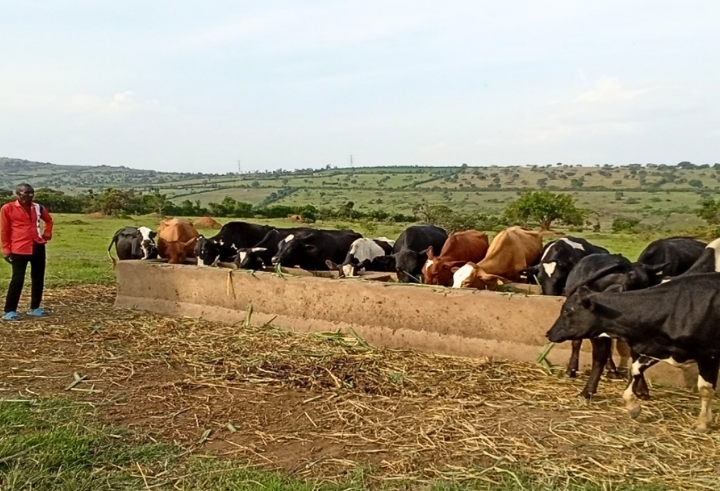
Emmanuel, a Ongera Amata participant, has scaled his dairy business further with the techniques he has learned

Dairy farming is integrated with wider sustainable farming practices so families can make better use of their land and resources while reducing their reliance on a single source of income. Farmers learn to grow crops alongside fodder for their cattle, creating more diverse farms that can provide food for the family and additional opportunities to earn money.

Manure from cattle can be returned to the soil as organic fertiliser to recycle nutrients within the farm, improving soil health and reducing the need for costly external inputs. The project also promotes agroforestry, including planting trees and improved drought-resistant fodder species, helping protect soils and strengthen the availability of feed during dry periods.

These practices support our wider climate-smart approach, helping farmers prepare for unpredictable seasons including the possibility of drought and flooding, while making their farms more productive and resilient over time.

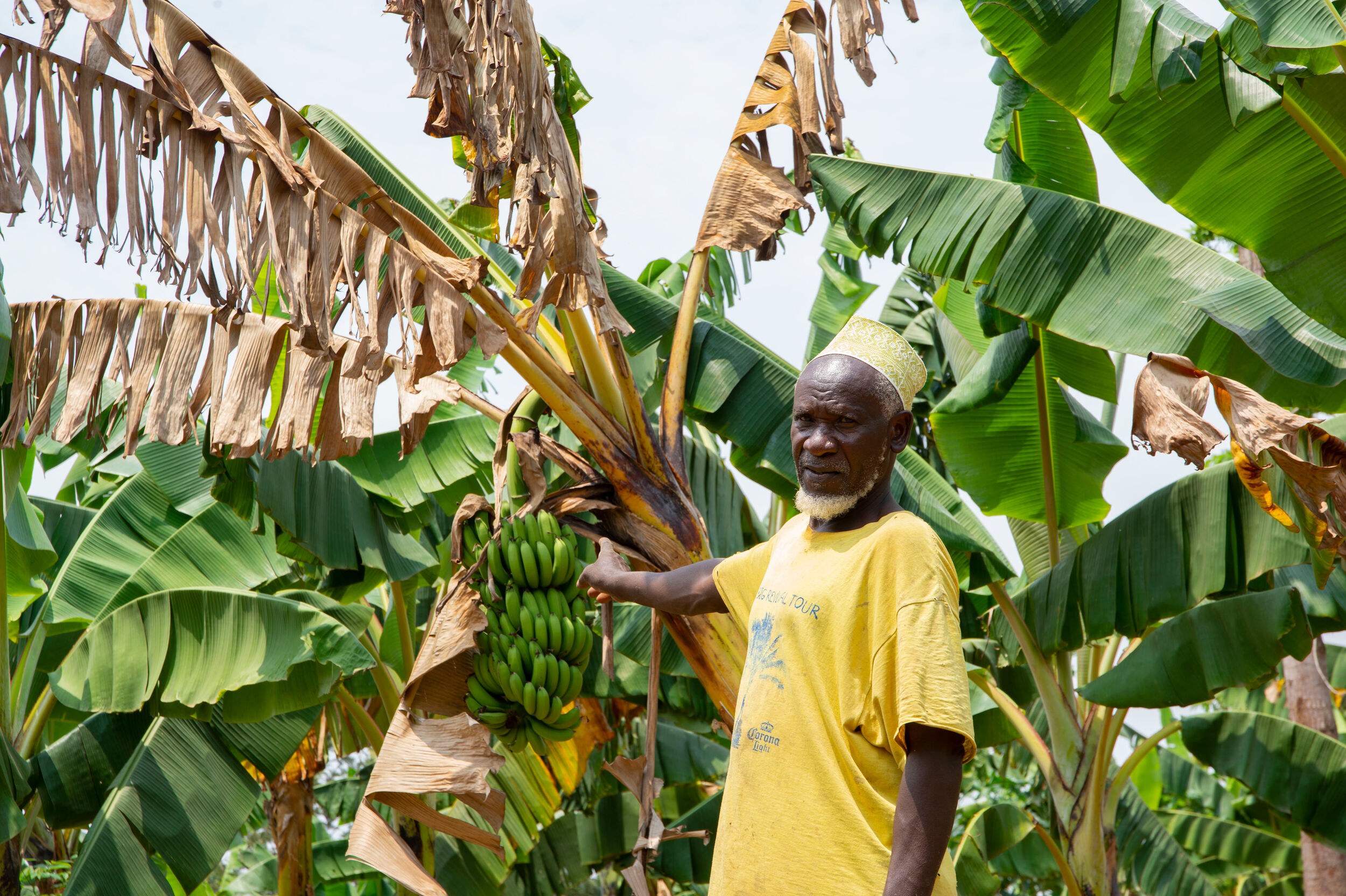
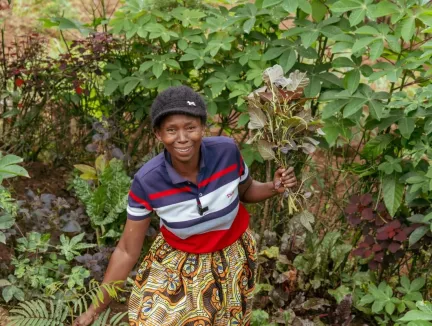
Assouman, project participant, with his banana plant

The project works to ensure that the benefits and opportunities created through dairy farming are accessible to women and people who may face barriers to participation.

Women are supported to take an active role in dairy production, training, household decision-making and cooperative activities, rather than their contribution to the family farm remaining unseen or undervalued. Families are encouraged to consider how responsibilities for caring for cattle, producing milk, managing income and making decisions are shared between household members.

More inclusive farmer groups and cooperatives can also give women and other marginalised farmers greater opportunities to have their voices heard and participate in decisions that affect their businesses and communities.

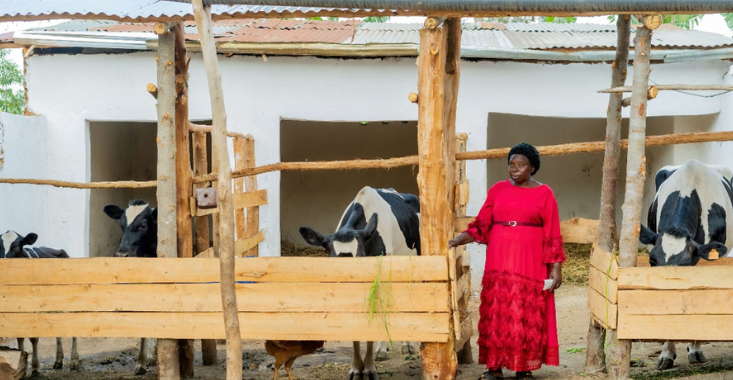
Dancille, Ongera Amata project participant, with her dairy cows and the improved shelter she has reconstructed for them

Achievements so far

Thanks to your support, year 2 progress includes:

0%

increase in milk produced per cow per day (5.09L up from 2.77L) for small dairy farmers

0litres

average monthly milk accepted at project Milk Collection Centres (up 31% since year 1)

0million

Rwandan francs saved by project participants (approx. £19,000 GBP), with 18M reinvested

“Earnings from milk sales have allowed me to transform my family’s wellbeing including being able to pay my shepherd’s salary on time, purchase hydroponic inputs, renovate my house and a modern washroom, buy four pigs, repay a loan and cater to the needs of my family”

- Dancille, Ongera Amata project participant

Funding partner

Jersey Overseas Aid (JOA)

Jersey Overseas Aid (JOA) is Jersey Island’s official aid agency, funded by the Government of Jersey. Since its establishment in 1968, JOA has worked to alleviate the suffering of those afflicted by poverty, conflict, disease and natural disasters.

How you can get involved

A big thank you to our funding partner and supporters for making this work possible, and for playing a vital role in transforming lives in rural Africa - we couldn’t do this without you.

You can learn more about our work in this area, or take action and support our mission.

  • Discover other active programmes in Rwanda
  • Sign up for programme updates and stories by email
  • Support us financially or find out about partnership opportunities:

Make a donation

Donate

Make a donation

Donate

Partner with us

Explore partnerships

Partner with us

Explore partnerships

Learn about our impact

View our impact

Learn about our impact

View our impact
Sign up to hear more

Want to hear good news stories from Africa, get involved in fantastic fundraising and be part of exciting events? Fill out your details below and we will keep you updated by email.

Name *

* Required information.

By providing your email address above, you are confirming that you are happy for Ripple Effect to contact you by email. We will use your email to let you know about news, events, fundraising and appeals. We will never sell or trade your details. Read more about how we value your privacy. You can unsubscribe at any time by emailing info@rippleeffect.org or by clicking the unsubscribe link in any email we send.