

A culture of kindness: the traditions of giving and sharing across rural Africa
Approx 6 min read
By Betel Gezahegn, Digital Content Executive at Ripple Effect
In many of the farming communities Ripple Effect works alongside, helping a neighbour is part of everyday life. Families share seeds from their harvests or pass on what they've learnt about growing food. When there's work that needs more than one pair of hands, neighbours often come together to help. These traditions of mutual support have been part of community life for generations.
In Kenya, harambee, meaning “pulling together”, reflects a tradition of people contributing towards a shared need. In Rwanda, umuganda brings people together for community work. Ethiopia has its own traditions, including debo, a form of collective labour where neighbours help one another with demanding tasks such as preparing farmland.
These customs have their own histories and aren't practised in the same way everywhere. But they tell us something about the communities we have the privilege of working alongside: people have been finding ways to help one another long before Ripple Effect began its work.
This World Kindness Day, we're celebrating some of the people we've met through our work, and the ways they continue to look out for one another.
The kindness of neighbours in Kenya
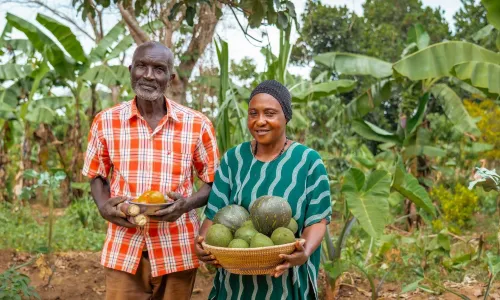
When our colleagues visited Saida and Ali in Kenya, they were interested to see how much progress the couple had made on their farm after only six months in a Ripple Effect project.
Saida and Ali explained that their neighbours had helped them with the work. In their community, families spend a week working together on one household's farm before moving on to the next. Everyone gets a turn, and everyone contributes.
It's a familiar idea in many rural communities, where preparing land or managing a harvest can be difficult for one household to manage alone. Having neighbours willing to help means families can get more done without having to pay for additional labour.
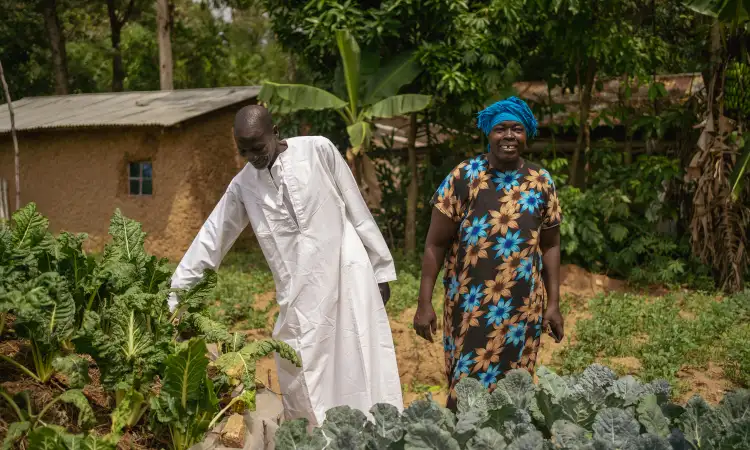
The same willingness to share is part of how farming knowledge spreads. In the Boresha Mazingira project, Peer Farmer Trainers take turns maintaining a demonstration garden where other farmers can learn sustainable agriculture techniques taught as part of Ripple Effect's programmes. They each have farms of their own, but they make time for the shared garden because other families benefit from having somewhere to practise what they've learnt.
We encourage this approach through our work. Farmers who gain new skills are supported to share them with their neighbours, allowing more families to benefit.
The farmers who keep sharing what they've learnt
Some farmers continue sharing their knowledge long after a Ripple Effect project has ended.
Florah, a farmer in Kenya, joined one of our projects in 2015. At the time, she was struggling to provide for her children. She learned farming techniques that helped her improve her farm and began teaching other people in her community.
Since then, Florah has trained more than 5,000 people. When our colleagues visited her, some of the women she'd helped affectionately called her “Mama Florah”.
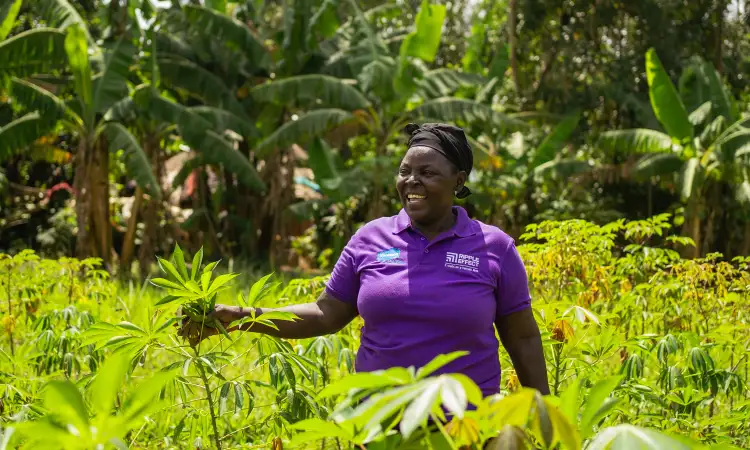
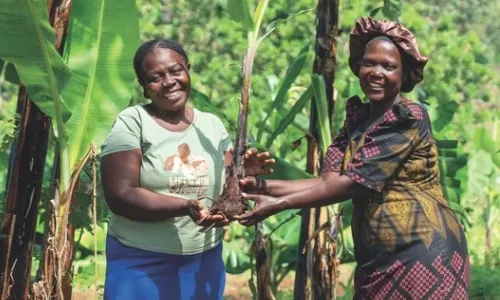
Florah still welcomes people to her garden and shares banana planting material with other farmers. It's been years since she first received training, but the knowledge she gained continues to reach new households.
We've heard similar experiences from farmers in Rwanda. Chantal, who has received support through Ripple Effect, now grows a greater variety of food for her family and sells some of her produce locally. She also shares what she's learnt with other farmers.
“My neighbours keep coming to learn from me, and it is good, because this is how we support each other to develop.”
Chantal, project participant in Rwanda
It's one reason sharing knowledge is so important to our approach to supporting farming communities.
In Ethiopia, kindness reaches beyond the farm
In Ethiopia, traditions of mutual help extend into many parts of community life. We see this kindness in the communities we work with, where people come together to help one another in ways that go beyond farming.
Here are a few examples of what this looks like in practice:
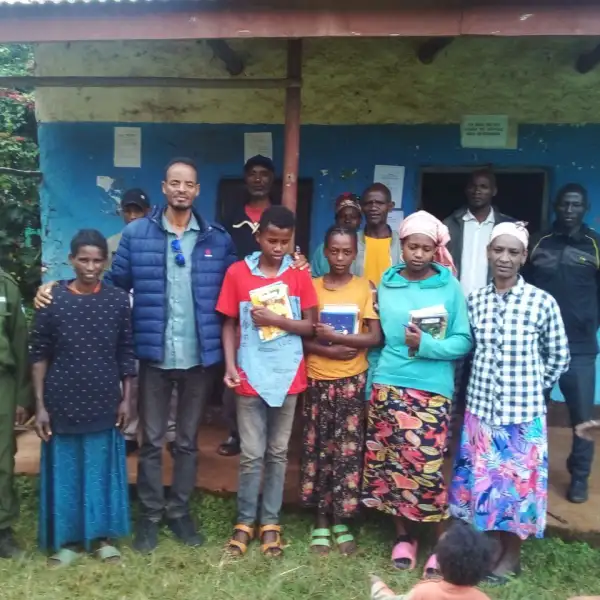
Members of a self-help group came together to provide educational materials for students in their community.
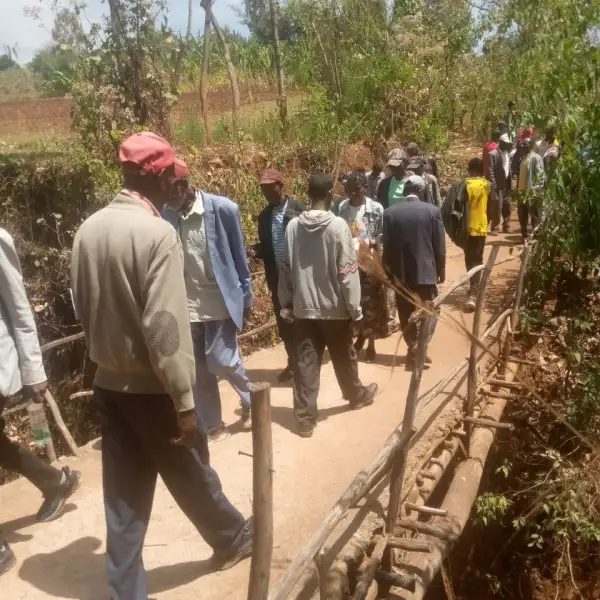
Community members contributed to a bridge construction initiative intended to benefit local people.
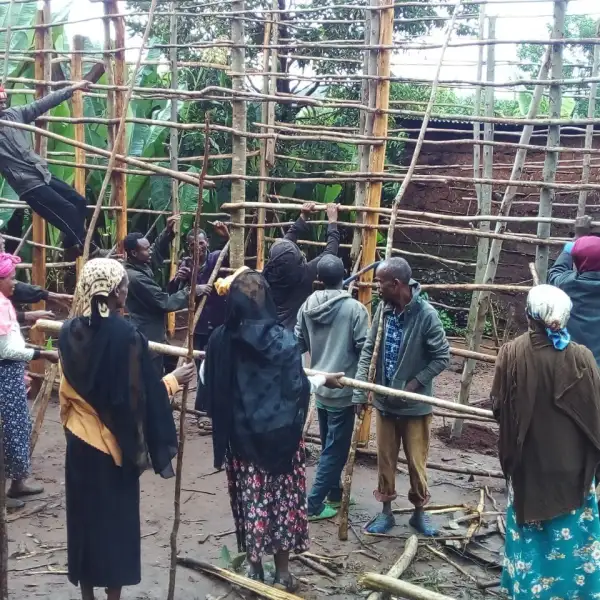
Members of a group joined efforts to help build a house for someone in their community.
What stands out about these examples is how people have organised themselves around needs in their own communities. The decisions to help have come from the people involved, who understand what would be useful to their neighbours.
Self-help groups are an important part of Ripple Effect's work in several countries. Members can save money together and support one another as they develop their livelihoods. The relationships built through these groups can also become a source of support in everyday life.
In our impact page, we share how community-led approaches are helping farming families strengthen their livelihoods, including the role of women in shaping decisions that affect their households.
Sharing what you have, including livestock
There's another tradition of sharing that's been part of Ripple Effect's story from the very beginning. When we were known as Send a Cow, our work began with providing livestock to farming families, who could then pass on offspring to others in their communities. This principle of sharing resources so more families can benefit remains central to our approach today.
The value of an animal can be considerable for a smallholder farmer. A dairy goat, for example, can provide milk for the household, while its manure can improve the soil used to grow food.
Bertha, a farmer in Zambia, describes how the goats she received have helped her family. Her two goats went on to have 11 kids. She sold six and kept five, while also using manure from the animals on her garden.
Her experience shows how livestock can continue to benefit a household as the animals reproduce. Where animals are passed on to other families, that benefit can reach neighbours too.
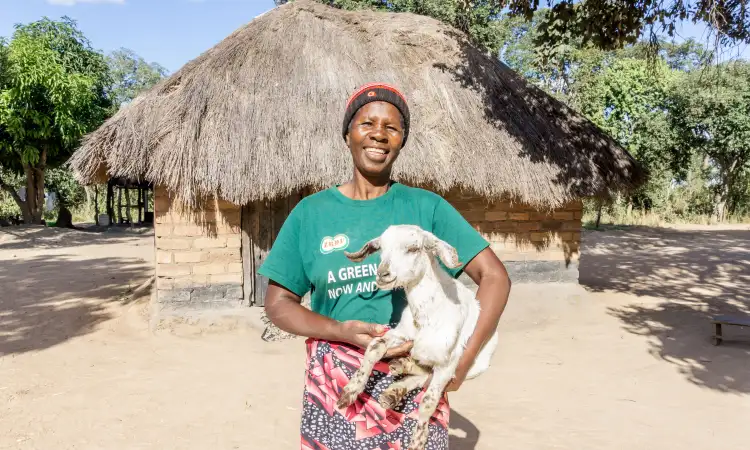
If you'd like to support more farming families like Bertha's, take a look at our animal charity gifts.
A thank you to the people who make this work possible
Kindness is also at the heart of the work we do at Ripple Effect. Reaching farming communities isn't always easy. Our project managers and field teams sometimes travel for hours, even walking through muddy roads when heavy rain makes travelling by vehicle impossible. It's this dedication that helps us continue working alongside families in some of the most remote communities.
And to our donors and supporters, we want to say a special thank you. Some of you have been with us for years, supporting farming families you've never met. Your kindness means so much to us, and we're grateful that you continue to believe in our work. With your support, we reached more than 1.1 million people across rural Africa in 2024–25.
Share kindness with a charity gift
Our charity gifts offer another way to support farming families across rural Africa. Each gift represents an aspect of Ripple Effect's work, helping families build more secure livelihoods.
Whether you're choosing a gift for someone's birthday, marking a special occasion or simply want to show someone you're thinking of them, there's something meaningful to give.
And with Christmas approaching, our charity gifts are also a thoughtful option for someone who already has everything they need.
Want to hear good news stories from Africa, get involved in fantastic fundraising and be part of exciting events? Fill out your details below and we will keep you updated by email.