

Food and nutrition security is about more than just having enough to eat
Approx. 7 min read
By Meshark Sikuku, Sustainable Agriculture Coordinator, and Anna Borsboom, Digital Marketing Manager at Ripple Effect
Food security is about having enough food on the table, but it’s also about getting the right nutrition. A family can have three meals a day, each consisting of potatoes, and feel like their stomachs are full – yet they still face nutrition insecurity as they are not getting the nutrients they need to remain healthy. And if their food comes mainly from one or two crops, climate risks such as crop pest and disease infestation, drought, or flood can quickly put that food supply at risk.
This World Food Day, we’re sharing our experience on how we work with families in rural Africa, integrating nutrition into agriculture as part of Ripple Effect programmes.
What does it really mean to be food secure?
Food security means having reliable access to and consumption of enough safe, nutritious and varied food to live a healthy life. For families who depend on their farms for food and income, that means thinking carefully about what they grow and how they grow it. It also means considering what happens when the weather doesn't go to plan, affecting crop growth. This is why Ripple Effect focusses on nutrition-sensitive agriculture.
Having enough food does not necessarily mean having a healthy diet. One way Ripple Effect measures this is through dietary diversity: the number of different food groups a household eats. This gives us a better picture of whether families are getting a range of nutrients, rather than simply measuring how much food they have available.
In Ethiopia, for example, 93% of families involved in Ripple Effect's work now eat six or more types of food each day, compared with 27% when the organisation began working with them. In Kenya, the same measure has risen from 38% to 93% among families involved in the Enterprising Migori project.
So, improving food security means asking not only “Do families have enough food?”, but also “Do they consume enough variety to support a healthy diet?”.
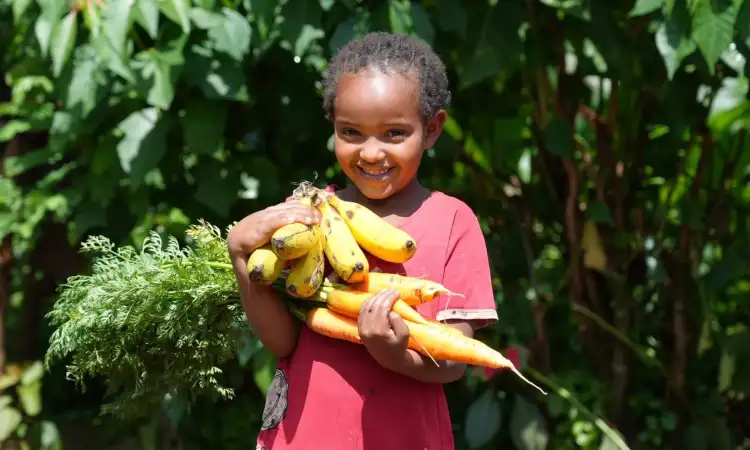
Nutrition starts with knowledge
A more varied diet can only make a difference if people understand why variety matters and have the knowledge to make changes at home.
Nutrition education is built into Ripple Effect programmes. Participants learn about the different food groups and the nutrients they provide, how to make meals more varied using foods that are locally available, and why good nutrition is particularly important for various vulnerable people such as children, pregnant women, teenage girls and the elderly.
The emphasis is on practical knowledge that families can use with the food they already grow or can realistically access.
We don't rely on one way of sharing this knowledge. Community cooking demonstrations and nutrition sessions are an opportunity for participants to learn together and discuss what works in their own context. In some programmes, children and teenagers learn about nutrition through school sessions and clubs, giving them knowledge they can take home. Peer farmers also share what they have learned with other farmers, allowing knowledge to spread beyond the people who first receive training.
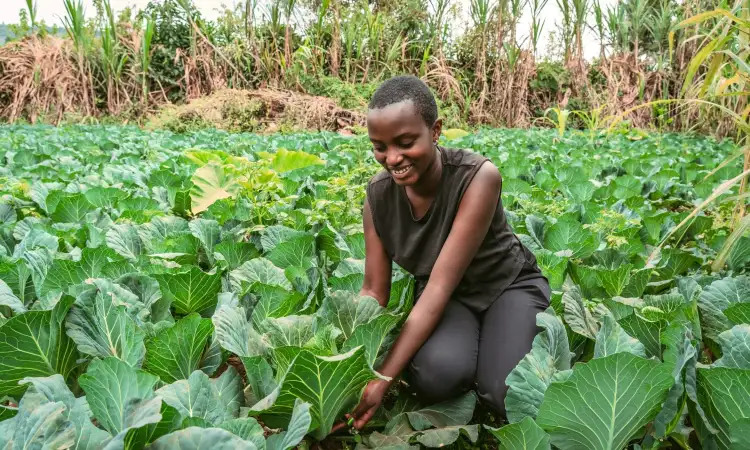
In Burundi, for example, the current No Time to Waste programme includes nutrition education for adolescents through school nutrition clubs and youth groups. Children learn about healthy diets and then go share what they learnt with their families and peers.
This matters because nutrition isn't something that can simply be provided to a family. The knowledge to make informed choices can stay with them and be passed on.
But knowledge is only useful if people have access to nutritious food. For farming families in rural East Africa, that brings us back to the land.
What can families grow to improve nutrition?
For many families we work with, the food on the table comes from their own farms. So improving nutrition means looking at what people can grow.
This isn't always straightforward. Families may have limited land. Soil may have lost some of its fertility. And as the climate changes, rainfall is becoming less predictable, making some crops less reliable than they once were.
The answer depends on local conditions - across the countries where we work, families face different constraints, so our programmes consider what works in each context.
Making the most of limited land
Many of the families we work with have limited access to land, whether they own a small plot or rent from someone else. When land is limited, even a small area can become an important source of nutritious food.
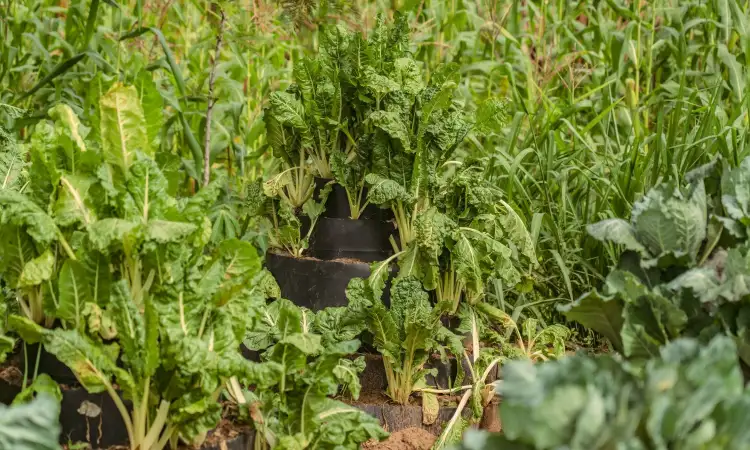
Kitchen gardens are one approach used across Ripple Effect programmes. Techniques such as keyhole gardens allow families to grow vegetables in a relatively small space, while making careful use of water and organically available materials to nourish the soil. Other techniques make better use of vertical space without the need for expensive materials.
The food grown goes directly onto the family table. If there is a surplus, it is usually sold to bring in an income.
Choosing crops with more than one benefit
Crop choice matters too. Some crops can contribute valuable nutrients while also being resilient to weather extremes or offering a useful source of income.
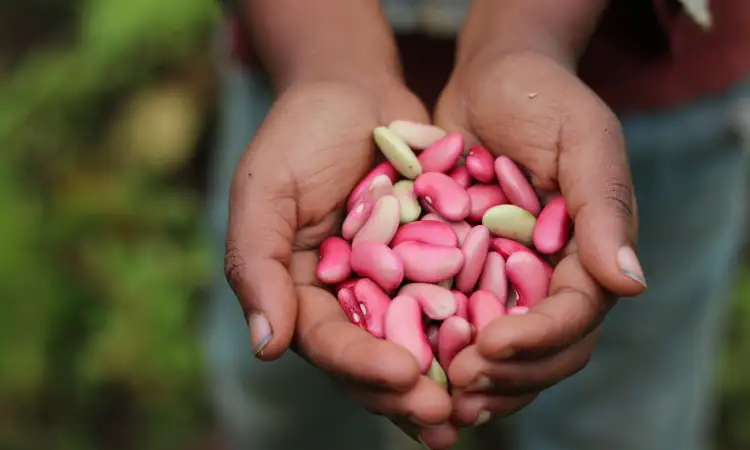
Beans are a good example of this. They provide protein and other nutrients, while as legumes they also help improve soil fertility through nitrogen fixation. Additionally, they are an excellent soil cover crop and the residues can be used as livestock fodder or composted in organic manure. For families growing much of their own food, they can be an important part of a more varied diet. And because beans are widely grown and traded across the countries where Ripple Effect works, they provide an opportunity to earn an income.
Other crops also play different roles. For example Orange-fleshed sweet potatoes provide vitamin A, while crops such as pineapples provide food and income in locations with prolonged dry seasons.
The aim is not to find one crop that will solve food insecurity. It is to help farmers make informed choices about what will work for their health, land and income prospects.
Would you like to support families in rural Africa? Our £9 Beautiful Beans charity gift can be a great gift for yourself or a loved one.
Farming needs to provide an income too
Food and nutrition security cannot be separated from income. Families may grow food to eat, but they also need money for things such as school costs, healthcare, household essentials and future investments, as well as food they aren’t able to produce such as sugar. Selling some farm produce can provide that income, and is often what the families we work with already do.
This creates an important balance when we recommend certain crops. A crop may be highly nutritious, but if there is little demand for it locally, a family may not want to use much of their limited land to grow it. At the same time, relying too heavily on one profitable cash crop can leave a household exposed if the harvest fails or market prices change. Ripple Effect therefore considers the nutritional and economic value of crops together.
Our programmes also integrate enterprise training, so farmers can better understand their local markets and find ways to increase the value of what they produce. This might mean processing a crop rather than selling it immediately, or choosing varieties that have a stronger market demand alongside food crops for the household.
The goal is not to choose between food and income. It is to help families build farming systems that can provide both.
Building food and nutrition security that can withstand change
There is another question that has to be considered: will the farm still be able to produce food in the future?
Climate change is already making farming more difficult in many of the communities where Ripple Effect works. Droughts, flooding, changing rainfall patterns and declining soil fertility can all affect food production.
Crop diversity can help reduce some of this risk. So can practices that improve soil health and make better use of natural resources.
This is where Ripple Effect's focus on agroecology is important. Rather than treating food production and the health of the land as separate issues, farmers learn approaches that work with the natural resources around them.
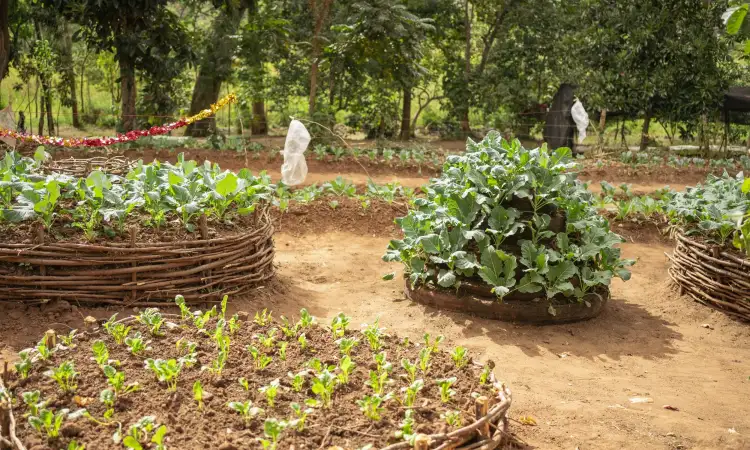
The right approach varies from place to place. A farmer in Kenya may face very different conditions from one in Rwanda or Ethiopia. Programmes therefore draw on local knowledge and experience when deciding which crops and farming techniques are most appropriated.
But the principle is the same: a food-secure household needs options when conditions change. If one crop fails, other crops may still produce a harvest. If rainfall is poor, soil and water management can help protect what is growing. If a family has a surplus, having access to a market can turn food into income.
Resilience is not about predicting exactly what will happen next. It is about being better prepared for different possibilities.
Food security means having choices
This is why food security is about more than producing more food.
It is about having choices.
The choice to grow different foods when land is limited. The knowledge to understand what makes a nutritious diet. The opportunity to earn an income without putting the household's food supply at unnecessary risk. The ability to adapt when weather conditions change.
These things are connected. That is why Ripple Effect integrates nutrition into its wider work with farming families.
The aim isn't simply to help families produce more food. It's to help them build the knowledge and confidence to make their own choices about food and their futures.
You can help food security grow
You can support Ripple Effect's work through our range of charity gifts, with several that connect directly to the issues explored in this article.
Beautiful Beans (£9) represents a crop that can contribute to nutritious diets while supporting soil health.
Educate a Child (£38) connects the importance of nutrition and learning from an early age.
Our Growing Essentials bundle (£69) brings together Super Seeds, Gardening Kit and Wonderful Water - representing some of the resources families can use to grow food at home.
Or, if you want to support the bigger picture, Resilient Family (£99) represents the wider work that helps families build more secure futures.
These are virtual gifts, so buying one does not mean that a particular item is sent to a particular family. Instead, your gift supports Ripple Effect's wider work with farming families across rural Africa. They can also be a way to learn more about the issues affecting farming families and start a conversation about food security with someone you love.

Want to hear good news stories from Africa, get involved in fantastic fundraising and be part of exciting events? Fill out your details below and we will keep you updated by email.