Back

ZRDF – Ripple Effect Partnership

Location: Mkushi and Luano districts, Zambia
Duration: 2023 - 2027

The ZRDF–Ripple Effect partnership works with over 8,000 smallholder farming households in rural Zambia to build resilience to climate change and strengthen food and financial security.

Our approach

The partnership brings farming families together through community groups to build climate-resilient farms, supporting stable incomes and food security. The project also emphasises gender and social inclusion, and works closely with schools for community-led development that benefits the next generations.

Farmers learn agroecological approaches that improve soil health and make better use of the resources available on their farms. Training includes practical techniques such as composting, mulching, crop diversification, water conservation and natural pest management.

Farmers put these techniques into practice on their own land and learn from one another through the Lead Farmer approach. Trained farmers establish demonstration gardens where others can see sustainable farming methods in practice and develop their own skills.

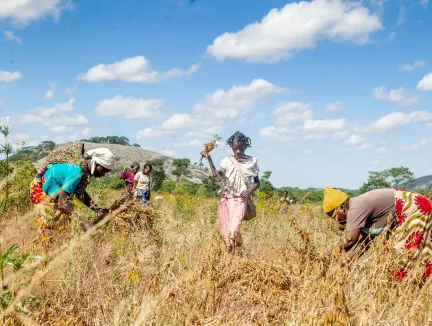
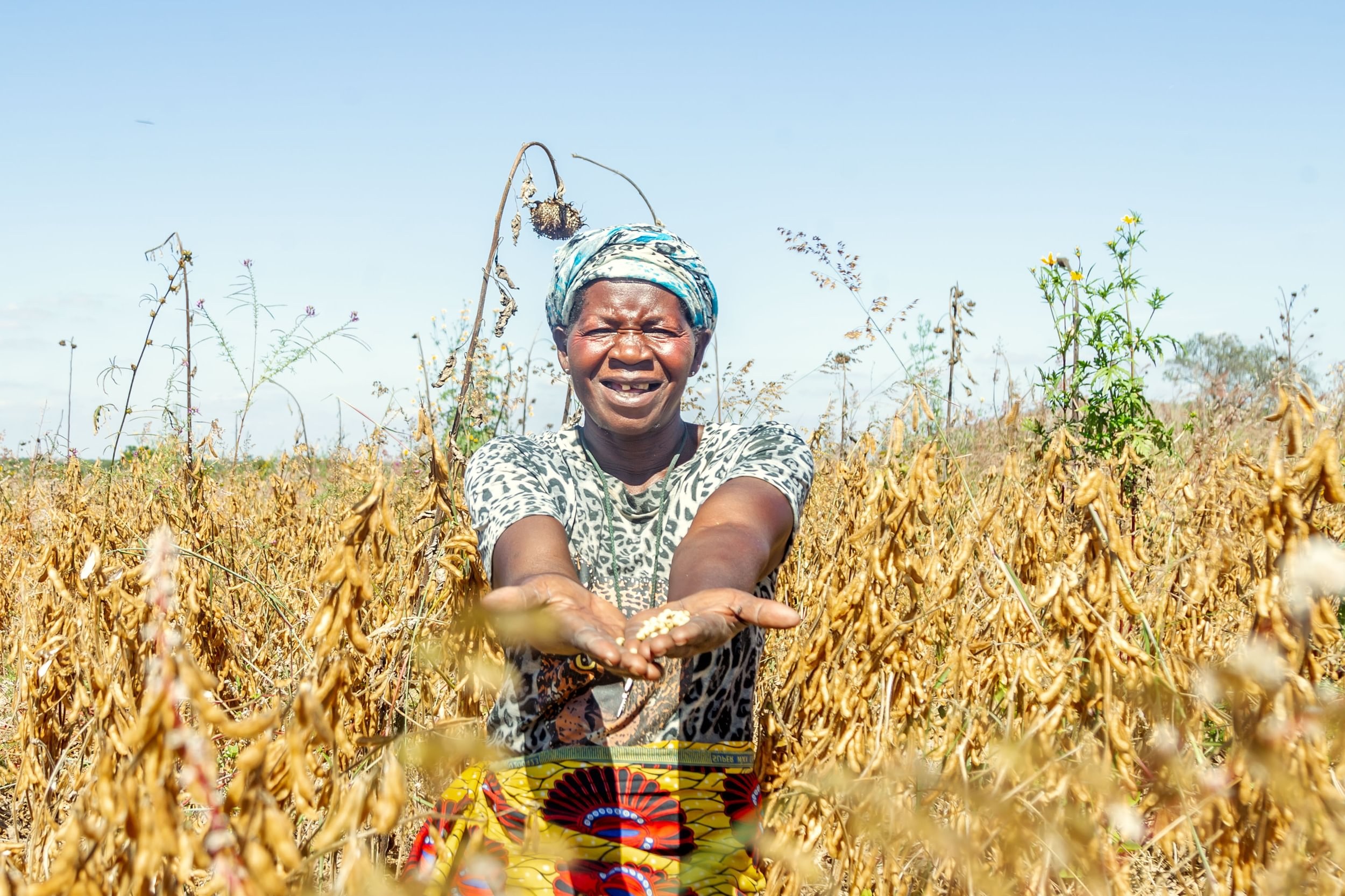
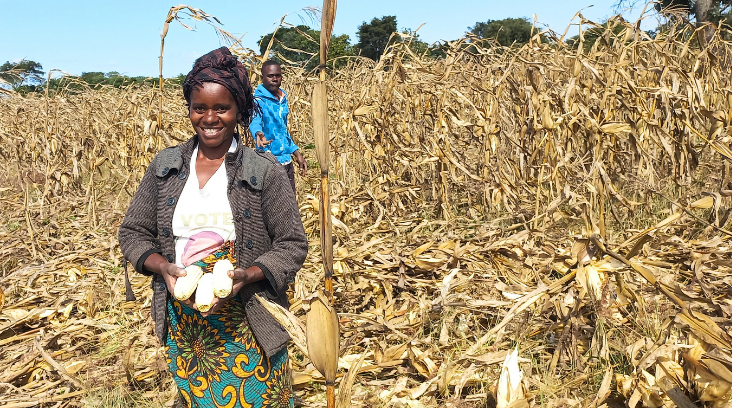
The project also supports farmers to adapt their production to climate pressures. During the 2023-24 drought, Nemah used sustainable farming techniques and drought-resistant crops to maintain food production and harvest a surplus of soya beans for sale. Strengthening farmers’ knowledge and capacity in this way can make farms more resilient to droughts and other climate shocks.
https://d1l97138avwug7.cloudfront.net/ZRDF%E2%80%93Ripple-Effect-Partnership-Project-information-sheet-1.png
Neemah, project participant, in her maize field following the 2023-24 drought

Producing enough varied and nutritious food can be difficult when families face low farm productivity and unpredictable weather. The project supports farmers to diversify what they grow, particularly through sustainable kitchen gardens, so households have more opportunities to produce food for themselves while selling surplus produce.

Alongside adopting agroecological practices that help grow more food in unpredictable climates, farmers learn the importance of diverse diets for health and nutrition, and choose a range of fruits and vegetables to plant on their farms.

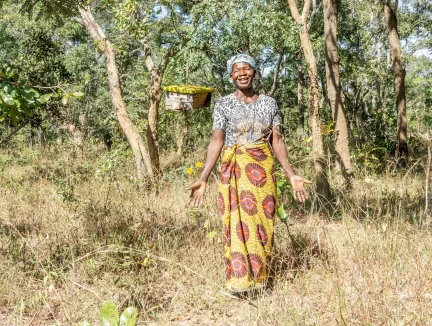
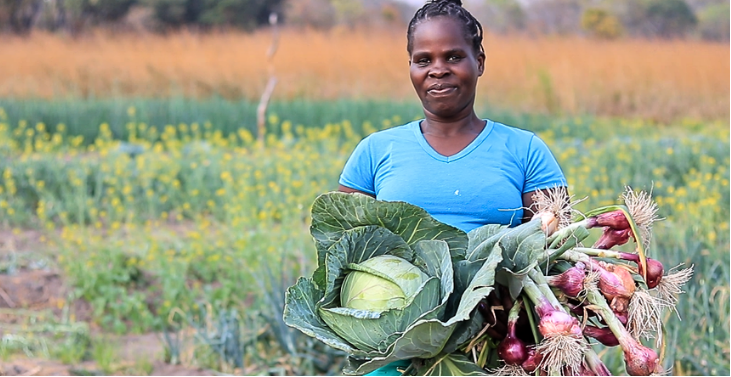
Rebecca for example, has diversified her garden to grow vegetables including tomatoes, onions, spinach and okra after learning about agroecological farming and nutrition. She now produces enough vegetables for her household while selling surplus at the local market.

https://d1l97138avwug7.cloudfront.net/ZRDF%E2%80%93Ripple-Effect-Partnership-Project-information-sheet.png
Rebecca, project participant, proudly holding vegetables she has grown

Limited financial inclusion and difficult access to markets can make it hard for farming families to turn their farming into a reliable income.

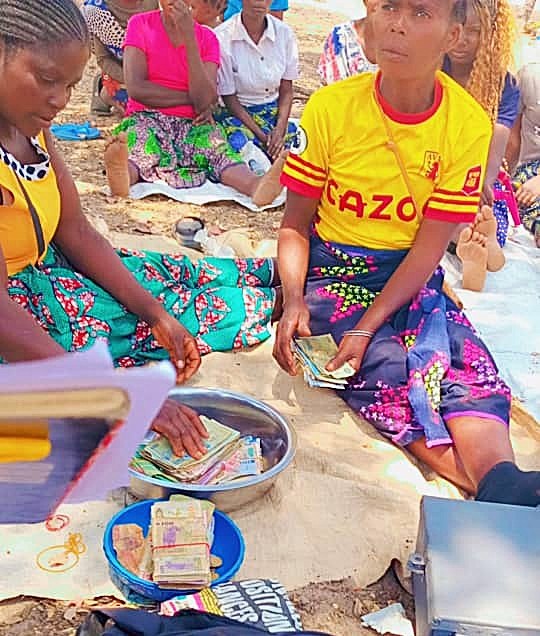
Through SILC groups, households develop a habit of saving together and can access affordable loans from their group funds to invest in productive activities or small enterprises. Members also build practical financial management skills, giving them greater control over how they save, borrow and use their money.

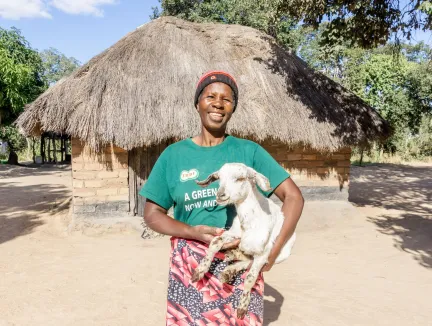
SILC groups can also develop into collective enterprises. For example, the Munema SILC group in Momboshi used enterprise development training and a government grant to invest in goat keeping. The group has since expanded its herd and continues to manage the enterprise collectively, creating another source of income for members.

The project also builds skills in enterprise development and value addition, enabling farmers and groups to explore ways of getting greater value from what they produce.

https://d1l97138avwug7.cloudfront.net/Silc-savings-edited.jpg
SILC group putting money aside for savings

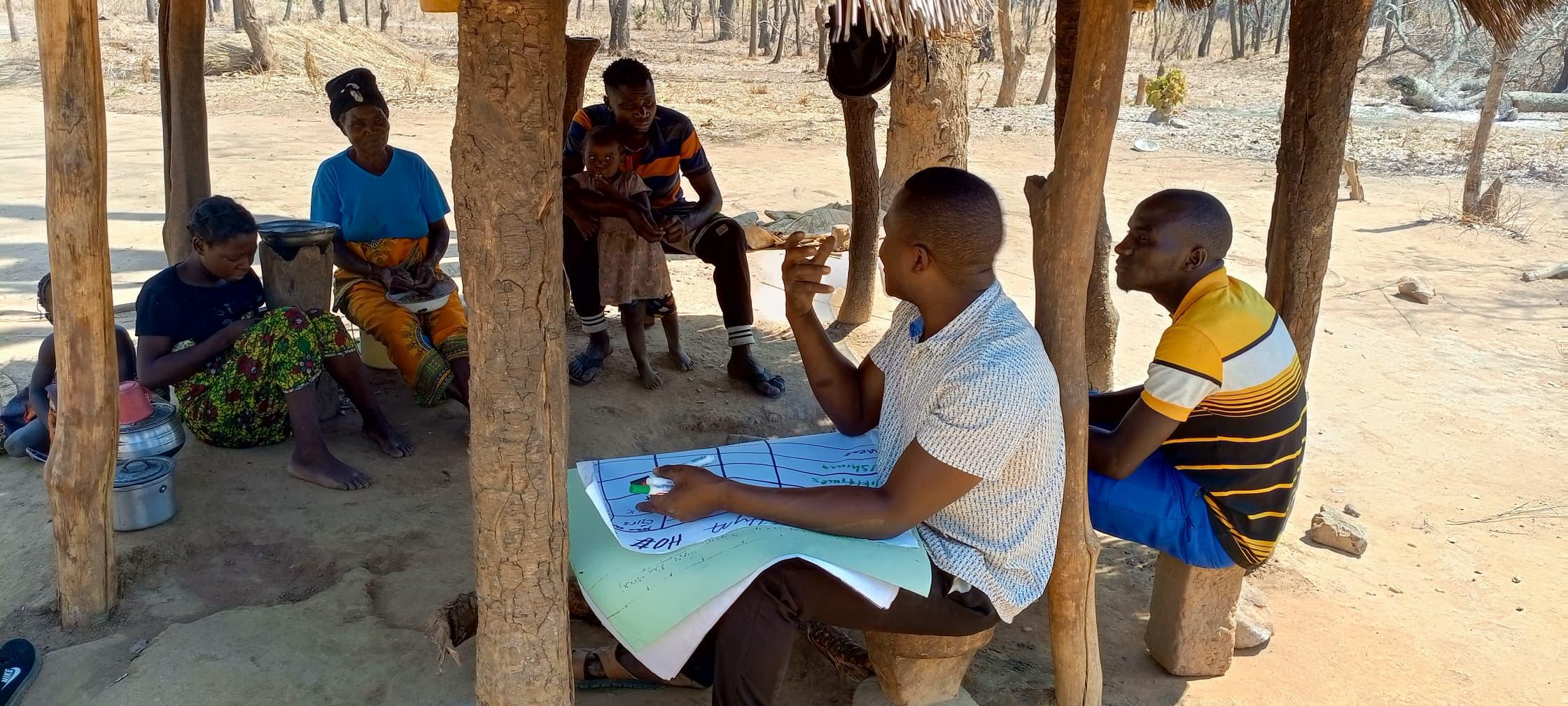
The project integrates gender and social inclusion throughout its work, creating opportunities for people who may otherwise be excluded to have a stronger voice in decisions that affect their lives. The Transformative Household Methodology (THM) works directly with families to examine how responsibilities and decisions are shared within the home. Through household discussions and follow-up, family members can reflect on traditional roles and identify changes that create fairer relationships.

The project also uses the Access, Communication, Attitude and Participation (ACAP) tool to identify barriers faced by people living with disabilities and consider practical ways to increase their participation and independence.

By working with households to challenge assumptions and identify practical solutions to exclusion, the project supports changes that can benefit everyone in the community and future generations.

https://d1l97138avwug7.cloudfront.net/THM-session-by-Gender-Volunteers.jpg
Community gender volunteers holding a THM session with a family from the project

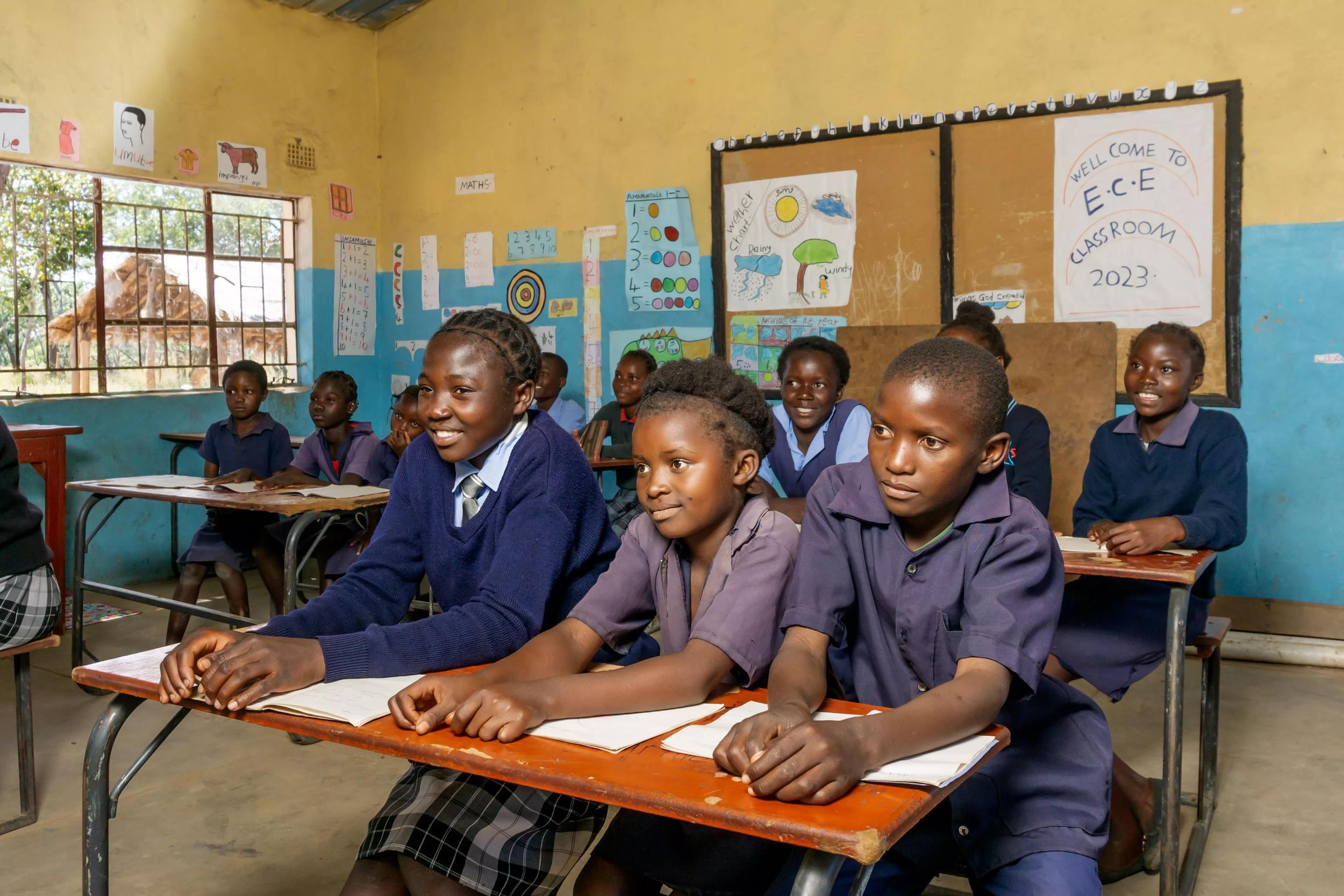
Through its partnership with ZRDF, Ripple Effect has supported the development of local schools, making it better and easier for children to attend. Improvements to school facilities can make education more accessible, while sanitation, clean water and menstrual hygiene support create a healthier environment for children, particularly girls.

At Momboshi Primary School, menstrual hygiene management training gives girls practical knowledge about managing their periods with greater confidence and dignity. Girls also learn how to make reusable sanitary pads, giving them a skill they can share with their families and communities and reducing the risk that menstruation becomes a barrier to attending school.

School children gain practical experience of growing food and learn about sustainable agriculture with the introduction of school farms and orchards. This also provides additional nutrition for pupils. What children learn at school can then travel home with them, giving families another route to new ideas and knowledge. In this way, investment in schools can benefit children while also strengthening the wider community, creating opportunities for knowledge to spread from one generation to the next.

https://d1l97138avwug7.cloudfront.net/Bole-Primary-School-Sheri-Sarah-and-Towela-Large_2026-09-11-152034_gluo.jpg
Primary school students taking a class
“I learned that vegetables can provide income throughout the year, even before my maize and soybean are ready for harvest. The money I earn every week helps me provide for my family, while the vegetables improve the meals we eat at home.”

- Lameck, project participant

Achievements so far

Since 2023

0

participants reached across 7,045 households (73% of total partnership target)

0 million

Zambian Kwacha saved (approx £1.5 million GBP) across 203 SILC groups

0%

of households adopted at least six sustainable agriculture practices

Delivery partner

Zambian Rainbow Development Foundation (ZRDF)

Zambian Rainbow Development Foundation (ZRDF) is a Zambian organisation working with rural communities to improve livelihoods, health, education and women’s participation. With deep-rooted experience in some of Zambia’s most remote communities, ZRDF takes a community-led approach that builds local skills and capacity, supporting families to strengthen their resilience, increase incomes and create lasting change.

How you can get involved

Thank you to all supporters, partners, and staff who make this and other projects possible. Change starts with your support.

You can learn more about our work in this area, or take action and support our mission.

Make a donation

Donate

Make a donation

Donate

Partner with us

Explore partnerships

Partner with us

Explore partnerships

Learn about our impact

View our impact

Learn about our impact

View our impact
Sign up to hear more

Want to hear good news stories from Africa, get involved in fantastic fundraising and be part of exciting events? Fill out your details below and we will keep you updated by email.

Name *

* Required information.

By providing your email address above, you are confirming that you are happy for Ripple Effect to contact you by email. We will use your email to let you know about news, events, fundraising and appeals. We will never sell or trade your details. Read more about how we value your privacy. You can unsubscribe at any time by emailing info@rippleeffect.org or by clicking the unsubscribe link in any email we send.

Are you in the right place?

If you are in the US you might be interested in the US site, if so please click the link below.