Back

Gender and Nutrition Centered Agriculture (GANCA) - phase III

Location: Gitega province, Burundi
Duration: July 2024 - June 2027

This third phase of the project works with over 4,000 people in Burundi to tackle the root causes of poverty and food insecurity to build resilient livelihoods.

Our approach

The GANCA project supports families through training in climate-smart agriculture, enterprise development and gender equality. Through self-help groups (SHG), peer farmer trainers (PFT) and community-led learning, families become empowered to build resilient livelihoods.

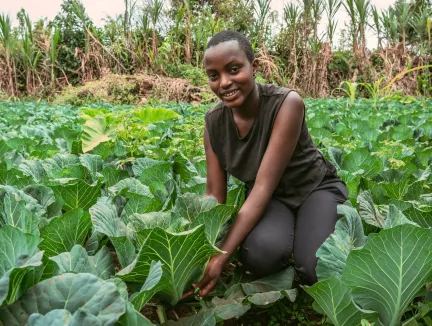
The project helps smallholder farming families increase food production while protecting the natural resources they depend on. Participants learn practical agroecological techniques that improve soil health, conserve water and strengthen farms against changing climates, such as composting, row planting, crop rotation, mulching, agroforestry and the use of natural biopesticides.

Working through self-help groups, participants can pool resources and, where needed, jointly access land for cultivation, making it more affordable for vulnerable households to farm productively. The project also supports farmers with improved and climate resilient seeds, and practical guidance from Peer Farmer Trainers and government agricultural extension workers, which help spread change across communities and generations.

By adopting these sustainable farming methods, families are able to grow a greater diversity of crops, improve household food, generate additional income from surplus produce and invest back into their homes and farms.
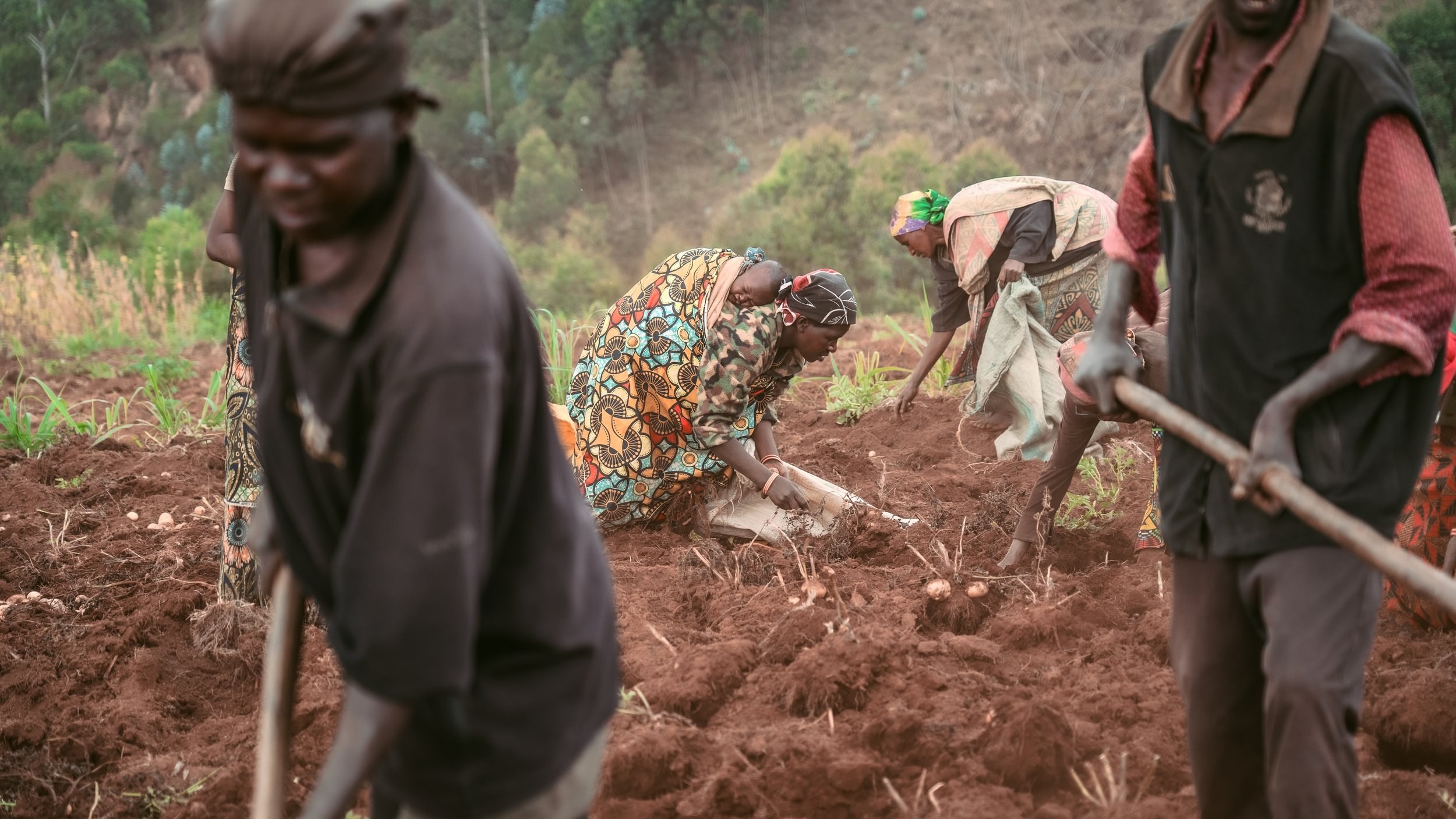
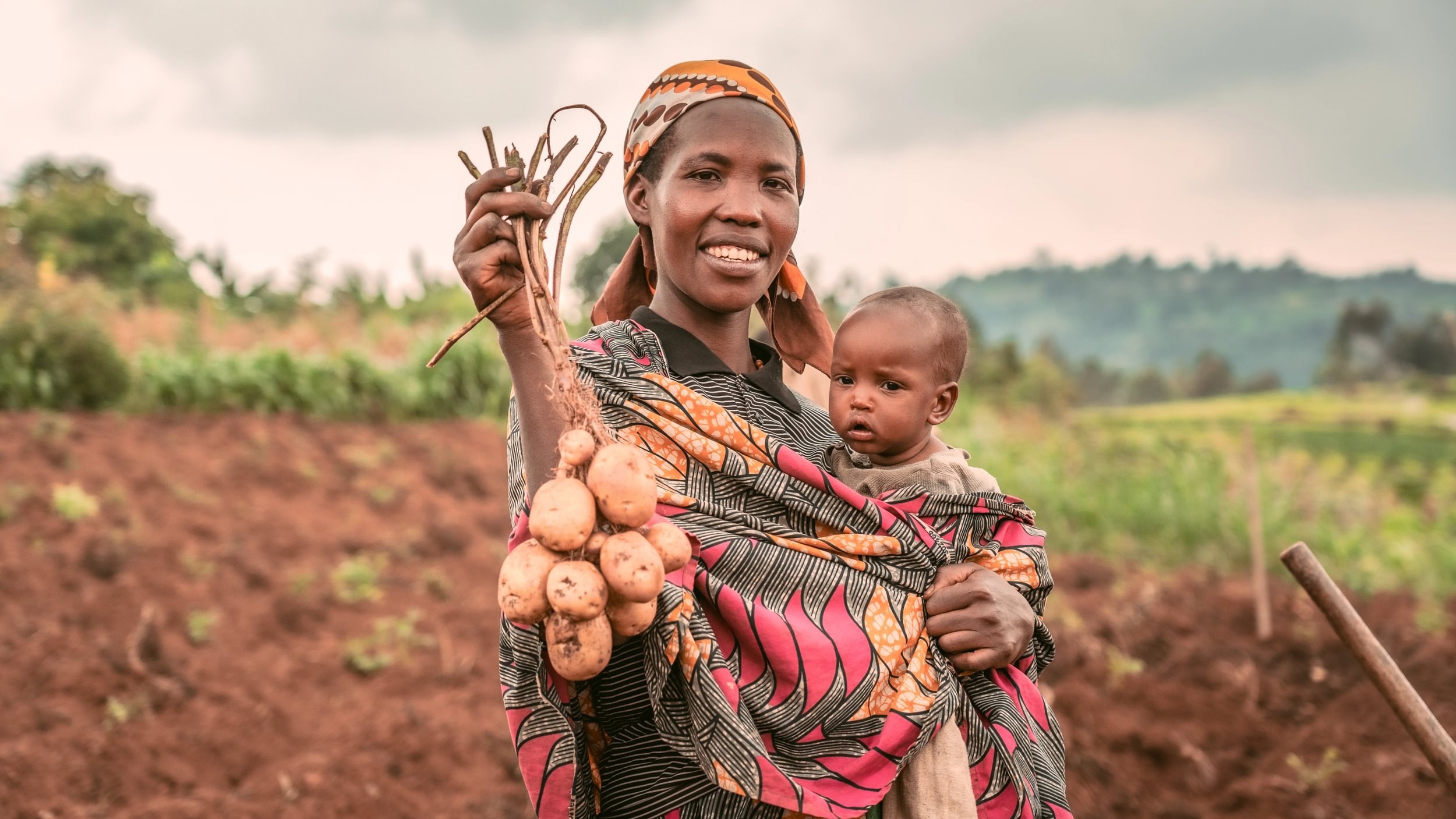
https://d1l97138avwug7.cloudfront.net/Goldien-and-Delphine-group-Large-4.jpg
GANCA III project participants harvesting potatoes.

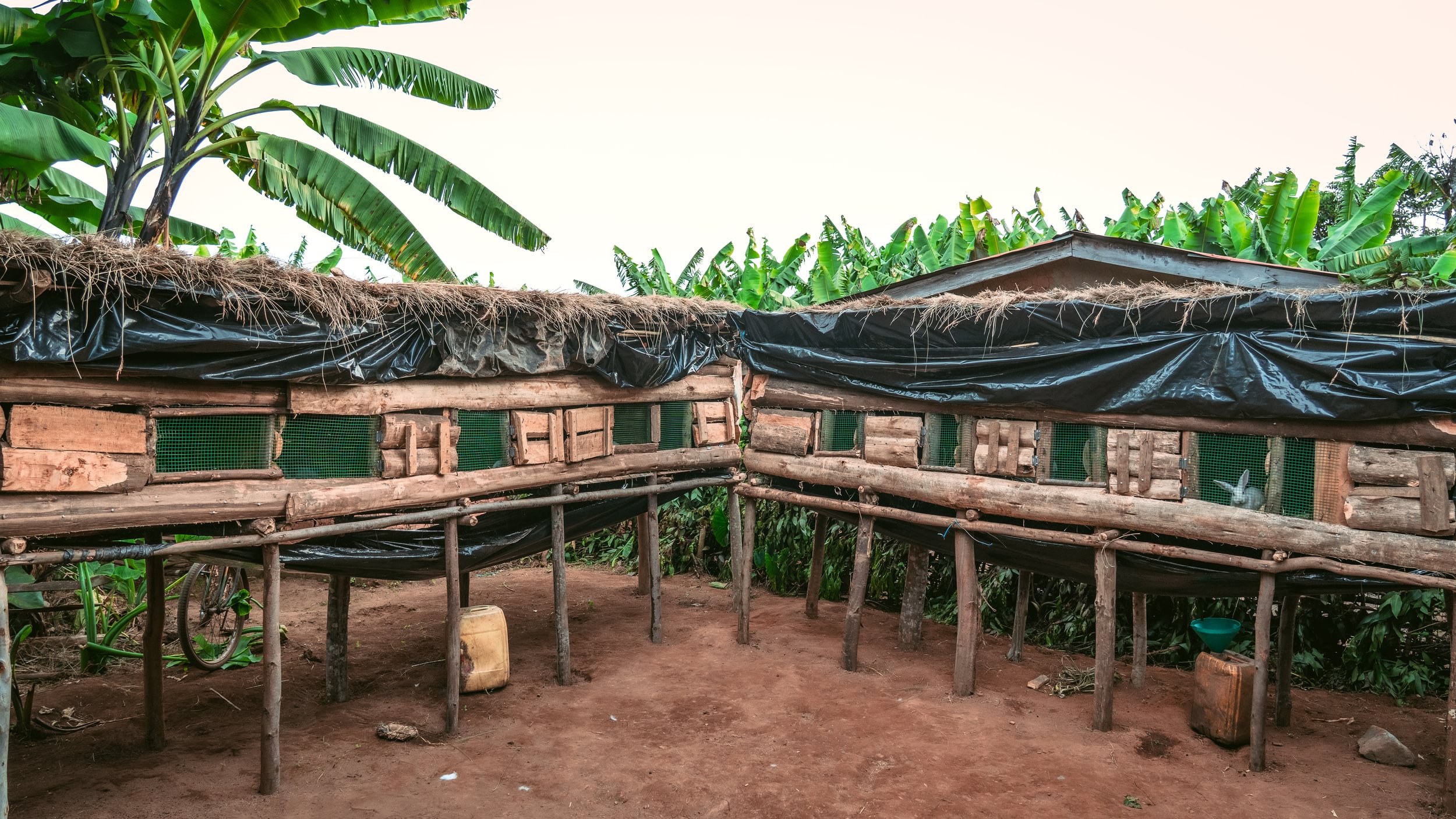
The project helps families strengthen their farms through integrated livestock management, recognising that healthy animals play an essential role in improving both agricultural productivity and household incomes. Participants are supported to rear small livestock, including rabbits and goats, which provide regular sources of income while producing manure and nutrient-rich urine that naturally improve soil fertility.

Through practical training, families learn good animal welfare practices, including appropriate housing, feeding, watering, hygiene, disease prevention, treatment and breeding. They also develop the skills to safely collect and apply manure and rabbit urine as organic fertilisers, helping to increase crop yields while reducing reliance on expensive chemical inputs.

https://d1l97138avwug7.cloudfront.net/Esperance-and-Association-Large.jpg
Rabbits kept by GANCA III project participants on their farms.

The project equips farming families with practical skills to protect their land and adapt to the growing impacts of climate change. By combining agroecological farming with community-led climate risk planning, participants are better able to cope with unpredictable rainfall, drought and soil degradation while safeguarding their livelihoods for the future.

Using the Participatory Risk Assessment of Climate-Related Disasters (PRACRD) approach, communities identify the environmental risks affecting their farms and develop local solutions together. Participants then put these plans into action through activities such as digging contours to reduce soil erosion, planting forestry and agroforestry trees, establishing soil-stabilising vegetation, and constructing small wooden barriers and earth-filled bags to slow water runoff and protect farmland. These practical measures help restore degraded landscapes, improve water retention and reduce the impacts of extreme weather.

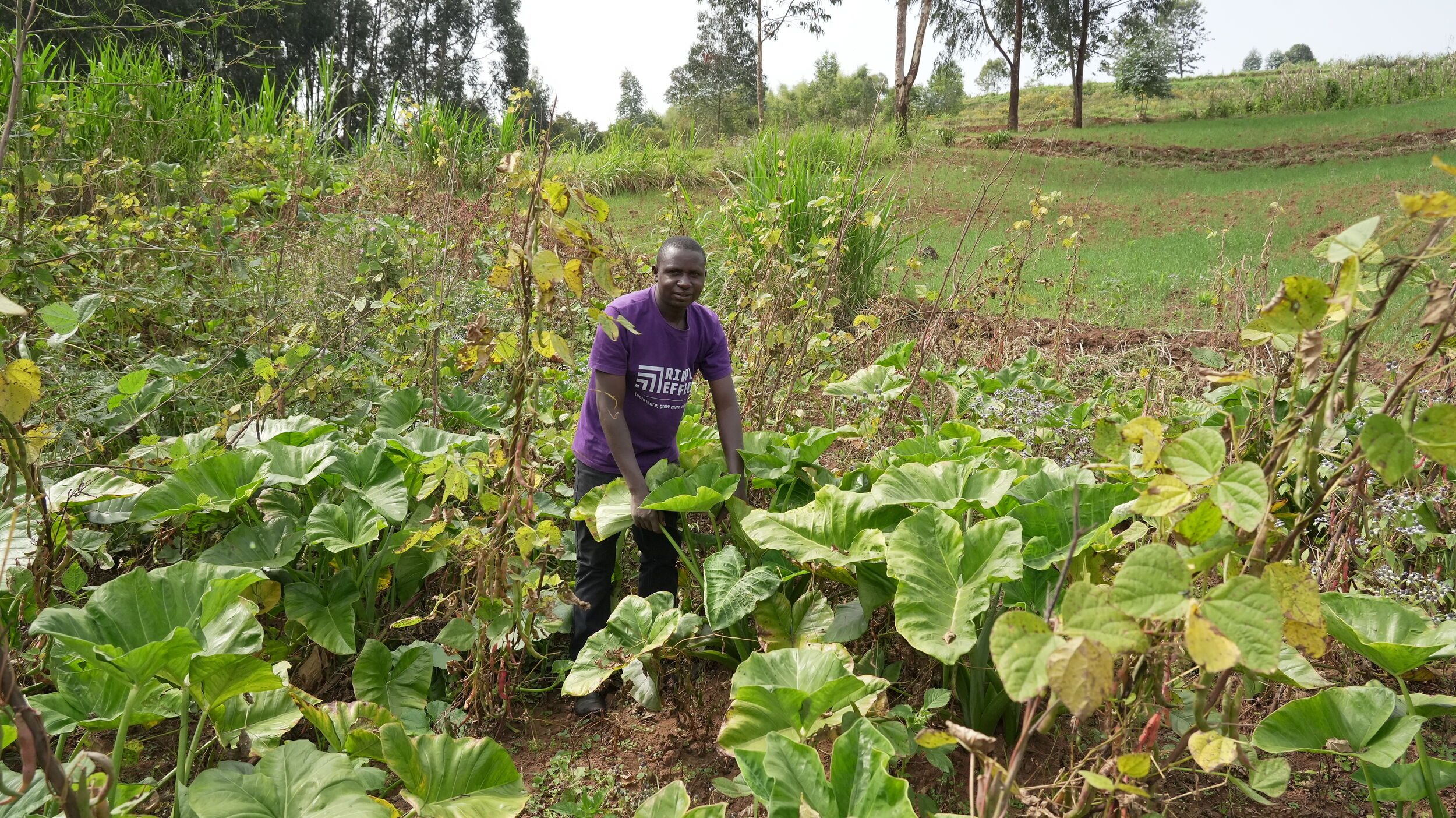
https://d1l97138avwug7.cloudfront.net/Venant-REST-Large.jpg
Venant, a project participant with his field of diverse crops.

Through the project, families are growing their savings, investing in their farms and developing new sources of income. Working together in self-help groups, participants save regularly and access affordable loans. Participants develop financial literacy and enterprise skills while establishing and strengthening Village Savings and Loan Associations (VSLAs). Using savings and small loans, families invest in activities such as crop production, livestock rearing and small businesses, helping them diversify their incomes and become more resilient to economic shocks.

The project also supports self-help groups to establish income-generating enterprises, including the production and sale of improved seeds, creating new business opportunities while making quality seed more accessible within the community. As families increase their incomes, they are better able to invest in their children's education, healthcare, farming and future opportunities, creating lasting pathways out of poverty.

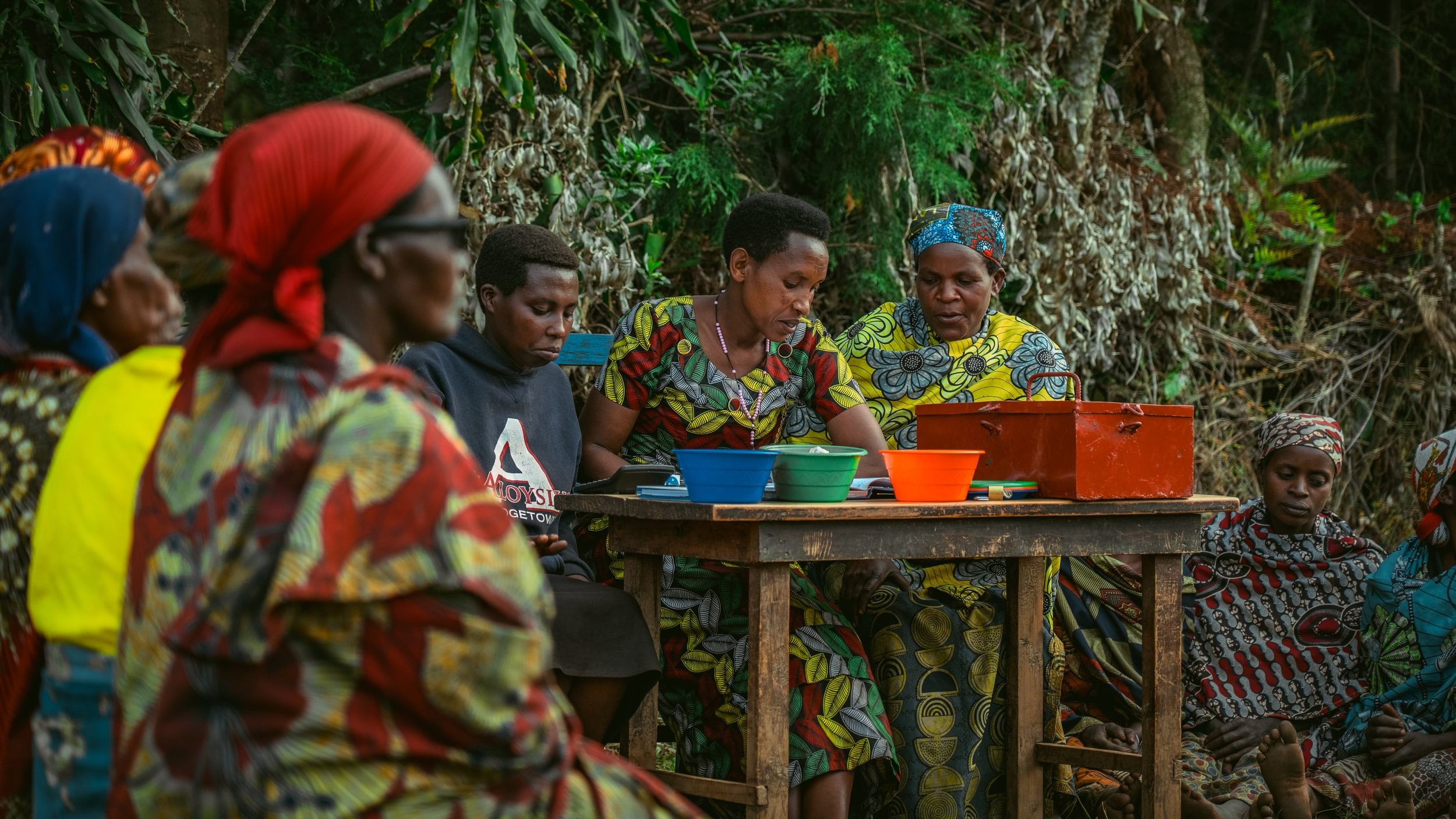
https://d1l97138avwug7.cloudfront.net/Aline-and-VSLA-Group-Large.jpg
Aline, a GANCA III project participant, with her VSLA group, holding a financial meeting.

The project promotes gender equality and women’s empowerment through our Economic & Social Empowerment (EASE) approach, supporting women to become active decision-makers and leaders within their households and communities. 70% of participants are women, organised into 15 self-help groups, providing a supportive space for women to develop leadership skills and strengthen their voices.

Through Transformative Household Methodology (THM), women and their families take part in facilitated sessions that challenge unequal gender roles and encourage joint decision-making around farming, income, nutrition and household resources.

Women are supported to take on leadership roles within self-help groups and as Peer Farmer Trainers, while community members receive training on gender-based violence awareness, family conflict resolution, social inclusion and safeguarding.

The project also strengthens women’s economic empowerment through financial literacy training, savings and credit management support, and the establishment of Village Saving and Loan Associations. These opportunities enable women to increase control over household finances, invest in income-generating activities and build greater financial independence. 

https://d1l97138avwug7.cloudfront.net/Sofanit-Mesfin-Large-1.png
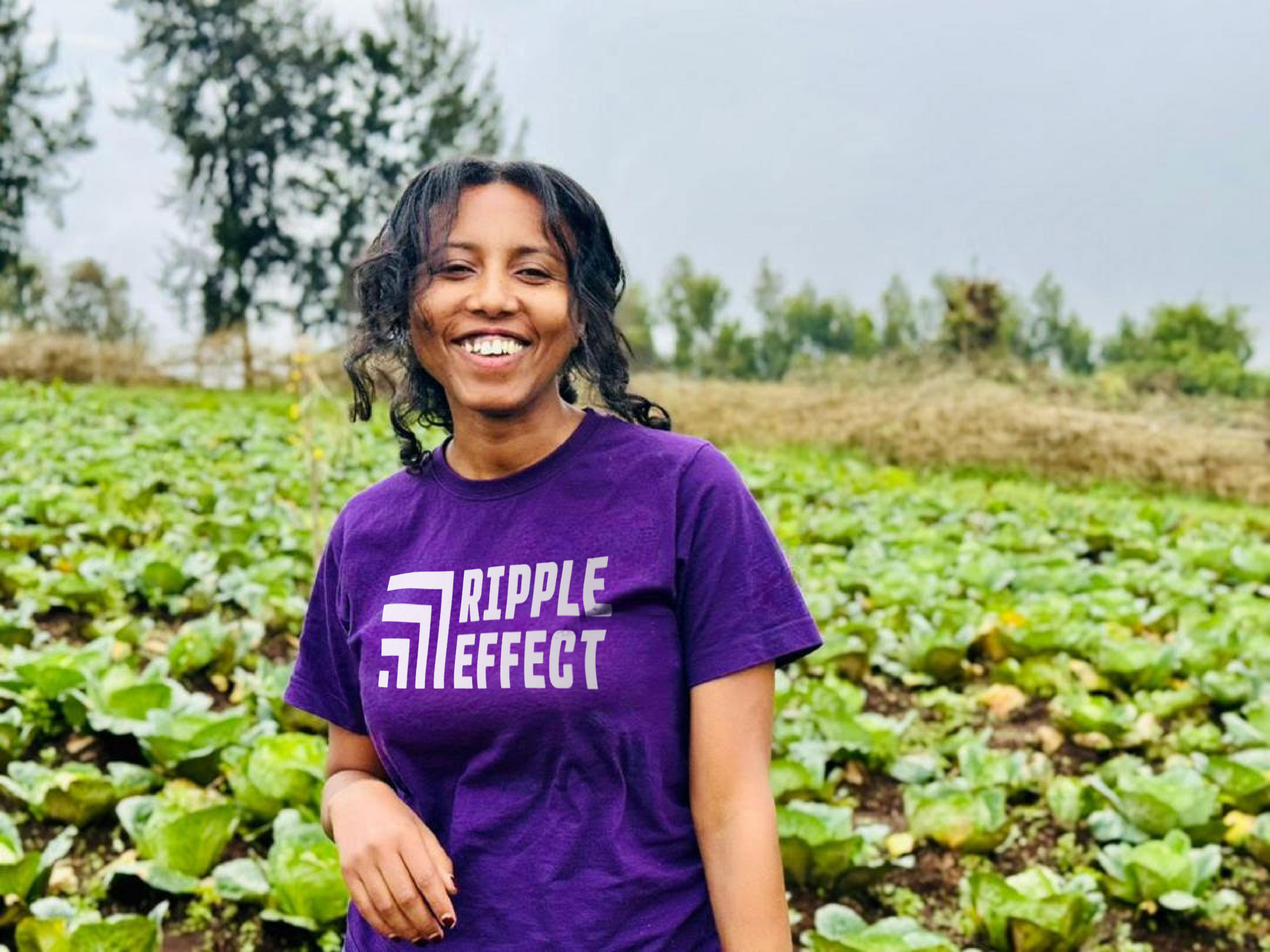
"A woman’s empowerment does not stop with her. When she gains confidence and knowledge, she shares that strength with her family and her community. By supporting women to lead, we help communities come together to create lasting change."- Sofanit Mesfin, Gender & Social Inclusion Coordinator
Melanie, a GANCA project participant, reflects: "One of the achievements I value most is the strong collaboration with my husband. We work together and share responsibilities equally. I am actively involved in decision-making and am often the first person consulted. This recognition gives me confidence and pride."

Achievements so far

Year 1 progress

0%

of households have adopted at least six sustainable farming practices (up from 1%)

0%

of families are food secure, or mildly insecure, increased from 8% at project start

0%

of married women are now involved in household decision-making, up from 69% at baseline

Funding partner

Bread for the World

Bread for the World (Brot für die Welt) is a German development and relief organisation that works with partners around the world to address poverty, inequality and the impacts of climate change. It supports locally led initiatives that strengthen communities, promote justice and protect natural resources, with a focus on creating lasting improvements for people facing poverty and disadvantage.

How you can get involved

Thank you to all supporters, partners, and staff who make this and other projects possible. Change starts with your support.

You can learn more about our work in this area, or take action and support our mission.

Make a donation

Donate

Make a donation

Donate

Partner with us

Explore partnerships

Partner with us

Explore partnerships

Learn about our impact

View our impact

Learn about our impact

View our impact
Sign up to hear more

Want to hear good news stories from Africa, get involved in fantastic fundraising and be part of exciting events? Fill out your details below and we will keep you updated by email.

Name *

* Required information.

By providing your email address above, you are confirming that you are happy for Ripple Effect to contact you by email. We will use your email to let you know about news, events, fundraising and appeals. We will never sell or trade your details. Read more about how we value your privacy. You can unsubscribe at any time by emailing info@rippleeffect.org or by clicking the unsubscribe link in any email we send.

Are you in the right place?

If you are in the US you might be interested in the US site, if so please click the link below.