Back

Sustainable Livestock Health and Production for Improved Livelihoods in Kajiado

Location: Kajiado County, Kenya
Duration: July 2025 - March 2027

This project supports 3,500 livestock keepers in rural Kenya to improve animal health and production through community-based training, stronger access to animal health services and inputs, climate-resilient livestock management, diversified income-generating activities, and a One Health approach.

Our approach

The project brings farmers together through community groups to build healthier herds and resilient livelihoods. They learn about animal health, nutrition, breeding and climate-resilient livestock management, while building stronger connections to animal health services and markets. The project also supports enterprise development and sustainable management of natural resources.

Livestock can be an important source of food and income, and can contribute significantly to integrated farm systems. The project supports livestock keepers to give their animals the care they need to stay healthy and thrive, using a One Health approach that recognises the close links between animal, human and environmental health.

Farmers learn to spot early signs of illness and take action before problems become more serious. Training looks at appropriate feeding and housing, vaccination and disease prevention, alongside practical animal health care. Farmers also learn about breeding and reproductive health, including the causes of infertility, and how to keep livestock records that can help them make better decisions about their animals.
Practical demonstrations give farmers the chance to build confidence with animal health techniques, including safely administering injections.

Animal Health Service Providers provide a local source of advice and can connect livestock keepers with veterinary services when further treatment is needed. The project also promotes livestock welfare through community structures that can monitor animals and encourage better standards of care.

Kajiado’s changing climate is making it harder for families to rely on livestock and agriculture as they have in the past. The project introduces practical approaches that enable farmers to manage their land and animals more carefully, while preparing for drought and other extreme weather events caused by the climate crisis.

Farmers learn how to manage invasive weeds and grazing areas so pasture has time to recover and livestock can make better use of available forage,. They explore ways to improve soil fertility using resources already available on the farm, including using livestock manure as organic fertiliser.

Training also introduces climate-smart approaches that can improve water and soil management and reduce pressure on natural resources.

The One Health approach encourages farmers to consider how the health of their animals is connected to their own wellbeing and the environment around them.

Communities learn about protecting natural resources, managing waste and preparing for climate-related challenges, while practical approaches such as agroforestry and sustainable land management can strengthen the wider farming environment.

Local people are at the heart of the project, with farmers building the knowledge and confidence to share what they learn with others. Animal Health Service Providers and Trainers of Trainers receive additional training so they can pass on practical advice within their own communities, and upskill the next generation of peer farmers who go on to train many other people, extending access to knowledge where formal extension services are limited.

Producer groups provide a space for farmers to learn from one another and work through challenges together. Farmer Open Days and community training sessions give people opportunities to see new approaches in practice and exchange experiences with others who are facing similar challenges.

The project also strengthens the role of women and young people within these groups. By supporting local leadership and community-based knowledge, farmers have more opportunities to access advice from people who understand their circumstances and can provide support close to home.

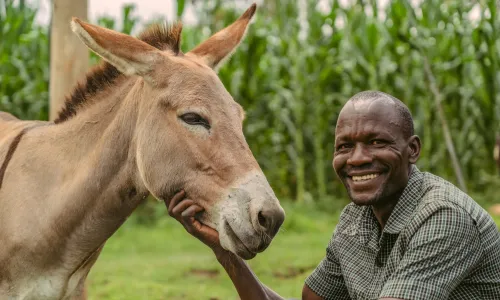
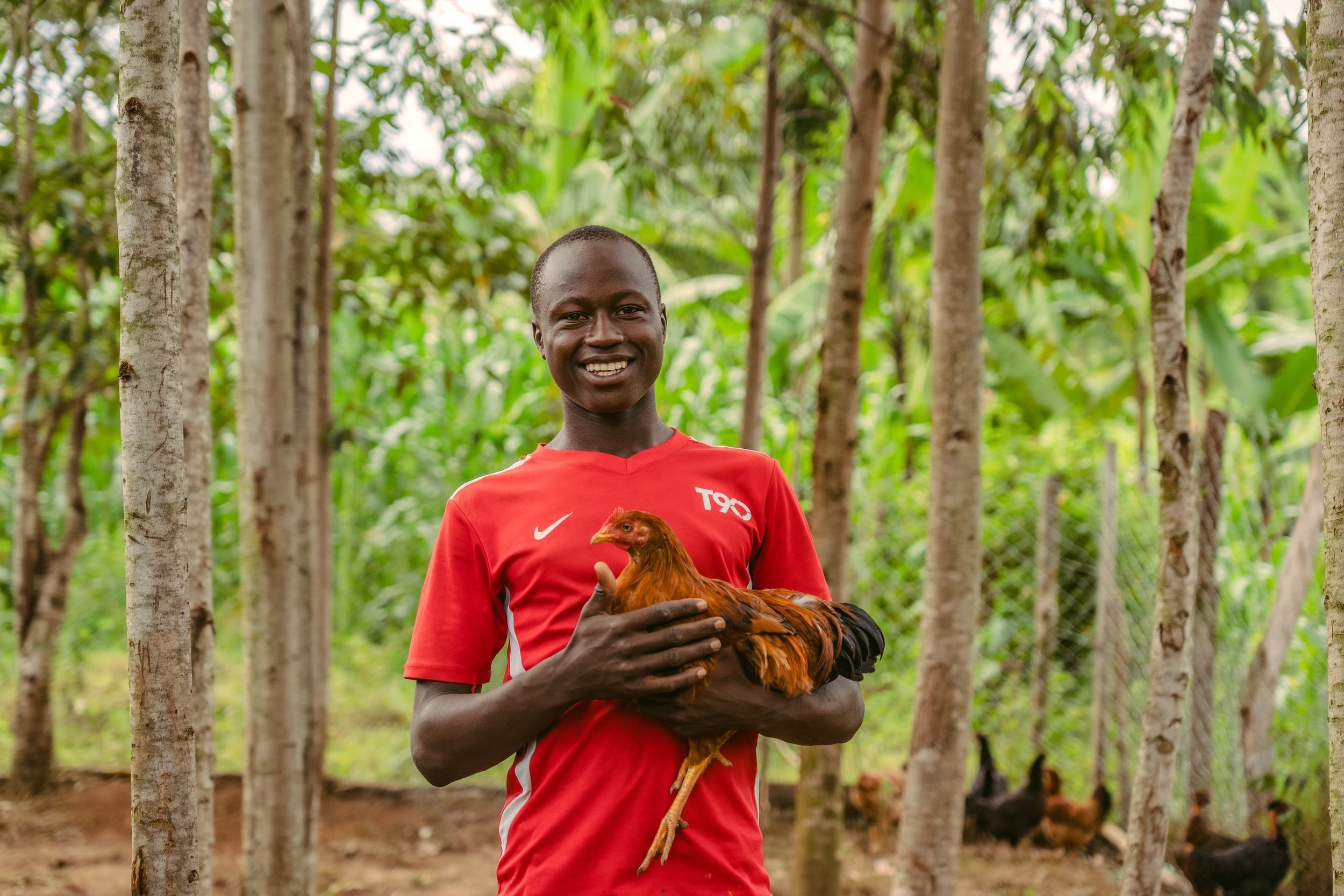
For families whose incomes depend heavily on livestock, whether selling milk, eggs or simply requiring a donkey to bring their produce to market, finding ways to earn more reliably can make a significant difference when drought or disease affects their animals.

The project supports farmers to look at their existing skills and resources as the starting point for developing or strengthening small enterprises.

Farmers build practical business skills and explore opportunities to add value to what they produce. They also develop stronger connections with input suppliers and service providers, making it easier to access the products and expertise needed to run their enterprises.

The project also strengthens links with buyers and markets and explores opportunities for value addition.

Collective marketing and stronger farmer organisations can give livestock keepers a better position when accessing markets, while developing livestock and other agricultural value chains can create new opportunities to increase household income.

In communities where decisions about livestock and household resources have traditionally been influenced by gender and social expectations, the project creates space for more people to have a say. People who can face barriers to participation, such as women and young people, are encouraged to take an active role in producer groups and community activities.

Women are supported to develop leadership skills and participate in decisions about livestock and household enterprises. The project’s gender and social inclusion work also looks at the attitudes and practices that can prevent people from accessing resources or services on an equal basis.

These principles are built into community training and group activities rather than treated as a separate issue. Producer groups provide opportunities for people to contribute their experiences, while stronger and more inclusive community structures can give women and other underrepresented groups greater influence over decisions that affect their lives.

Funding partner

Zoetis

Zoetis is a global animal health company focused on advancing the health and welfare of animals. It develops medicines, vaccines, diagnostics and other technologies for livestock and companion animals, supporting the people who care for them in more than 100 countries. Zoetis recognises the important connection between animal health, human wellbeing and healthier communities.

How you can get involved

Thank you to all supporters, partners, and staff who make this and other projects possible. Change starts with your support.

You can learn more about our work in this area, or take action and support our mission.

Make a donation

Donate

Make a donation

Donate

Partner with us

Explore partnerships

Partner with us

Explore partnerships

Learn about our impact

View our impact

Learn about our impact

View our impact
Sign up to hear more

Want to hear good news stories from Africa, get involved in fantastic fundraising and be part of exciting events? Fill out your details below and we will keep you updated by email.

Name *

* Required information.

By providing your email address above, you are confirming that you are happy for Ripple Effect to contact you by email. We will use your email to let you know about news, events, fundraising and appeals. We will never sell or trade your details. Read more about how we value your privacy. You can unsubscribe at any time by emailing info@rippleeffect.org or by clicking the unsubscribe link in any email we send.

Are you in the right place?

If you are in the US you might be interested in the US site, if so please click the link below.