Back

Thriving with Donkeys

Location: Homa Bay County and Bungoma County, Kenya
Duration: April 2026 - March 2027

This project supports 5,000 donkey-owning families in rural Kenya to improve donkey welfare while strengthening resilient livelihoods through practical animal care, stronger local health services, sustainable agriculture and community action.

Our approach

The Thriving with Donkeys project works with donkey owners, animal health practitioners and community groups to improve donkey welfare. Through practical training and community-led action, families are empowered to keep their donkeys healthy and therefore build more resilient livelihoods.

Healthy donkeys are better able to work safely and support the families who depend on them. Through the programme’s training sessions, owners build practical knowledge around everyday welfare, including feeding, watering, parasite control, hoof care, wound prevention and treatment, and appropriate harnessing.

They learn to recognise early signs of illness or injury and take action before problems become more serious, while understanding how good nutrition, hydration, hygiene and rest can protect their donkeys’ health and working ability.

Community donkey care days bring owners together with animal health practitioners and farriers for practical demonstrations and treatments. These sessions give families the opportunity to see good care practices in action and learn from local professionals and each other.

Training and mentorship strengthen the skills of community-based animal health practitioners and farriers, making essential services more accessible. Stronger owner knowledge, peer learning and local expertise help prevent avoidable health problems and keep donkeys healthier.
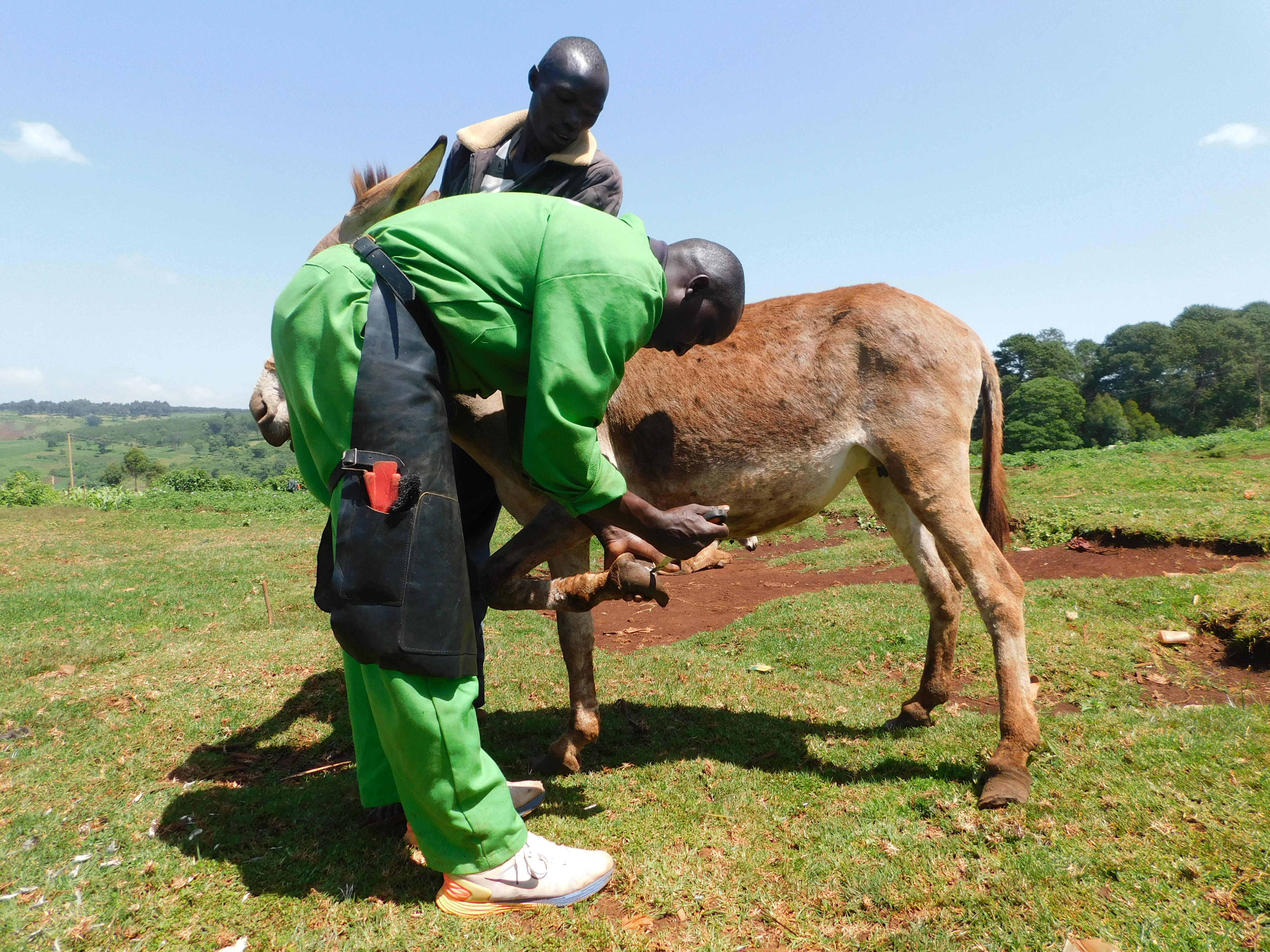
Community farrier taking care of a participant’s donkey’s hooves

Families learn about sustainable agriculture techniques and integrate fodder production into their existing farms, growing nutritious feed for working donkeys rather than relying on grazing alone. Groups establish demonstration plots and learn how to manage and harvest fodder, with planting materials passed between farmers so more households can establish their own plots over time. Keeping fodder close to the household means donkeys can feed safely and regularly at home rather than grazing overnight, reducing exposure to theft and predators.

Communities identify local water problems and work with local authorities to improve existing water sources. Local water committees are trained to manage and maintain these sources so they can serve families and their animals for years to come. Easier access to water means less time spent walking long distances to collect it, while giving families, donkeys, livestock and crops a more reliable supply.

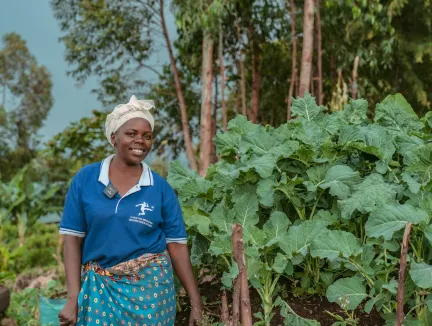
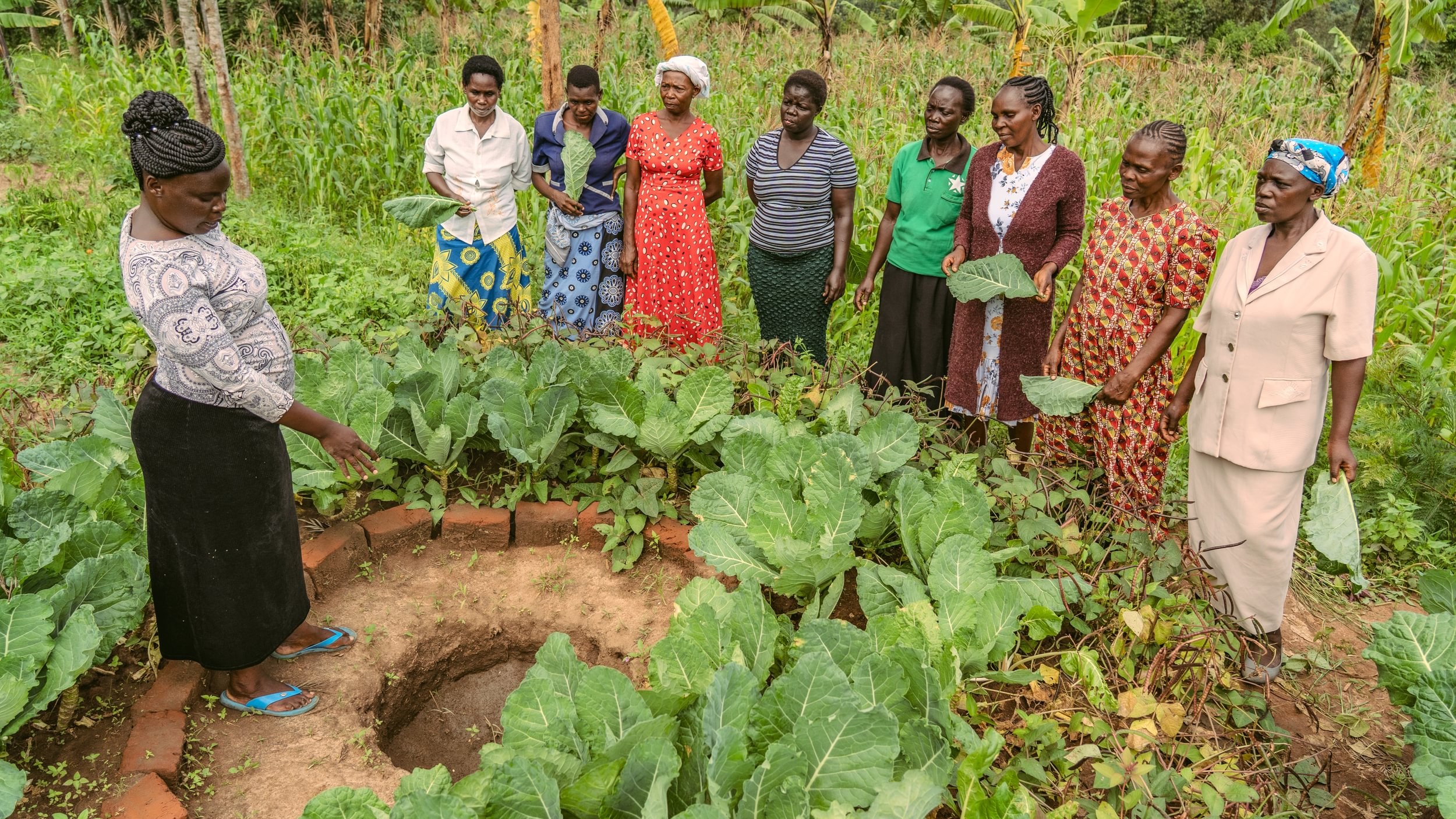
Christine, a Thriving with Donkeys project participant, is showing women from her community the sustainable farming techniques she has learned

For many farming families, donkeys are an important part of earning a living. They carry crops and other goods to market, making it possible for families to sell what they produce and earn an income. Keeping donkeys healthy and well cared for therefore protects an important source of household income.

Through community groups, families learn how to save regularly, manage their money and plan for future costs. Members build savings together and can use them for farm investments, household goods, unexpected expenses or donkey healthcare, including organising community donkey clinics.

Training can also open up new ways to earn. Some participants have used their skills to make and sell better-fitting donkey harnesses, creating an additional source of income as demand grows.

As families earn and save more, they can invest more in their donkeys; and as healthier donkeys work safely and reliably, they can continue helping families earn. This creates a cycle that can strengthen both family incomes and donkey welfare over time.

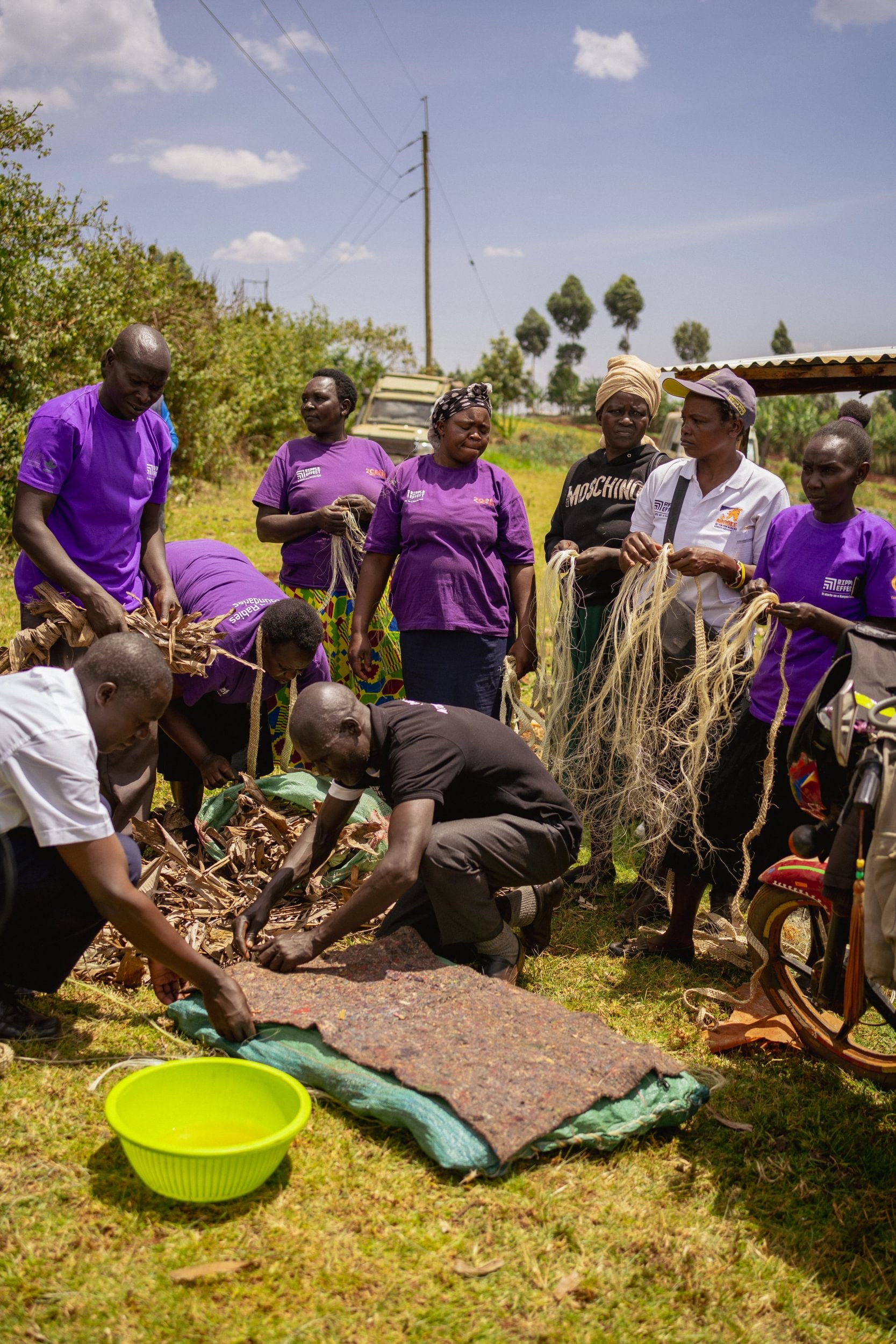
Project participants learning to make safer donkey harnesses

Protecting donkeys takes more than good care at home. Communities work with local governments and police to raise awareness of animal welfare laws and strengthen action against abuse and the illegal donkey hide trade.

Where donkeys are at risk of being stolen and moved across borders, cooperation between countries is essential. The programme has brought Kenyan and Ugandan security teams together to raise awareness of the donkey hide trade and strengthen cross-border action to protect animals.

Community meetings also give donkey owners, local leaders and law enforcement a chance to identify risks and agree on ways to respond. Working alongside partners, these efforts give communities a stronger voice and make protecting donkeys a shared responsibility.

“Communities must be able to protect donkeys long after our project ends. That means building strong local systems and partnerships, and working with government and enforcement agencies so animal welfare laws are upheld.” - Winnifred Mailu, Head of Programmes at Ripple Effect

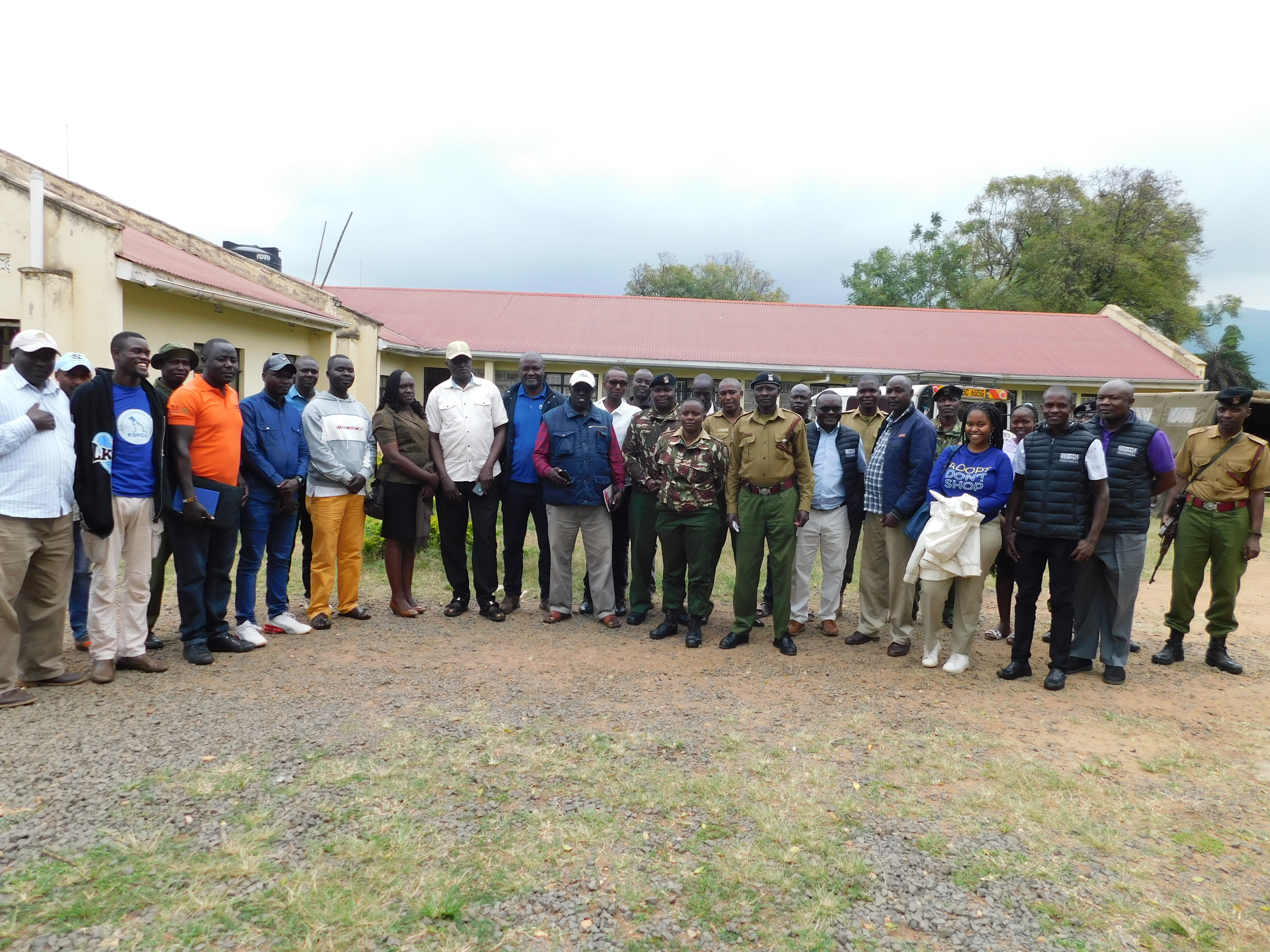
Local community and law enforcement teams coming together to protect donkeys

Young people are encouraged to become positive advocates for donkey welfare, building their knowledge through school-based activities that connect animal care with sustainable farming. Agricultural clubs create practical opportunities to learn about caring for donkeys, growing crops and producing fodder, while demonstrating these ideas to other pupils and their families.

Creative activities, including music and poetry, give young people a way to share what they have learned and start conversations about treating animals with care and respect. By involving children and young people early, the project helps build a new generation who understand the value of donkeys and can influence how animals are treated in their families and communities.

“Young people are not only the future of agriculture; they are brilliant minds with the ideas and voices to influence those around them today. By getting the next generation interested in farming and giving them practical knowledge about agriculture and livestock welfare, we equip them to share what they learn and show others what is possible.” - Meshark Sikuku, Sustainable Agriculture Coordinator at Ripple Effect

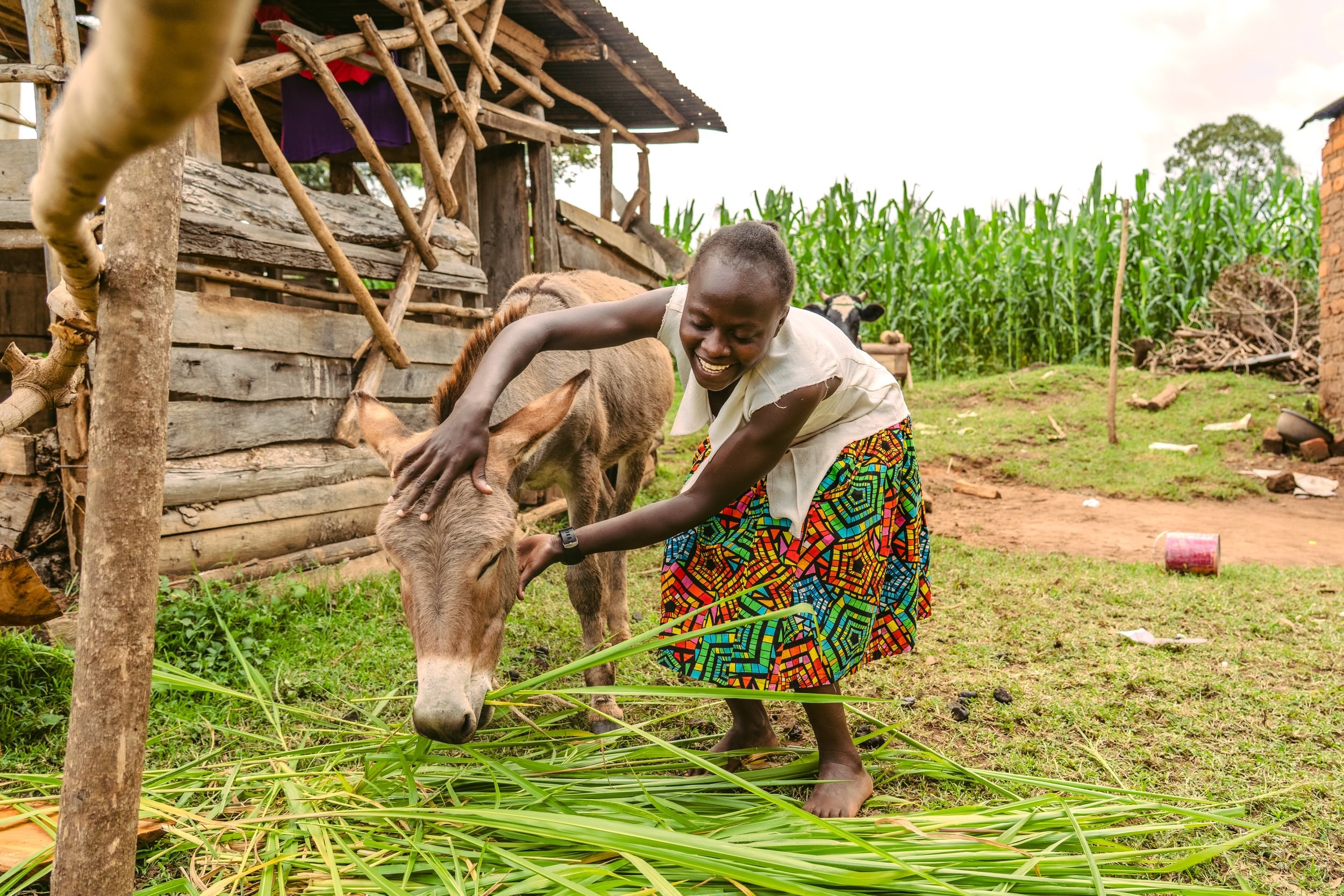
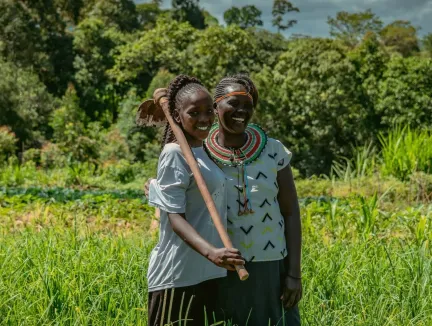
Hope, a project participant’s daughter, taking care of her family’s donkey, feeding it fodder
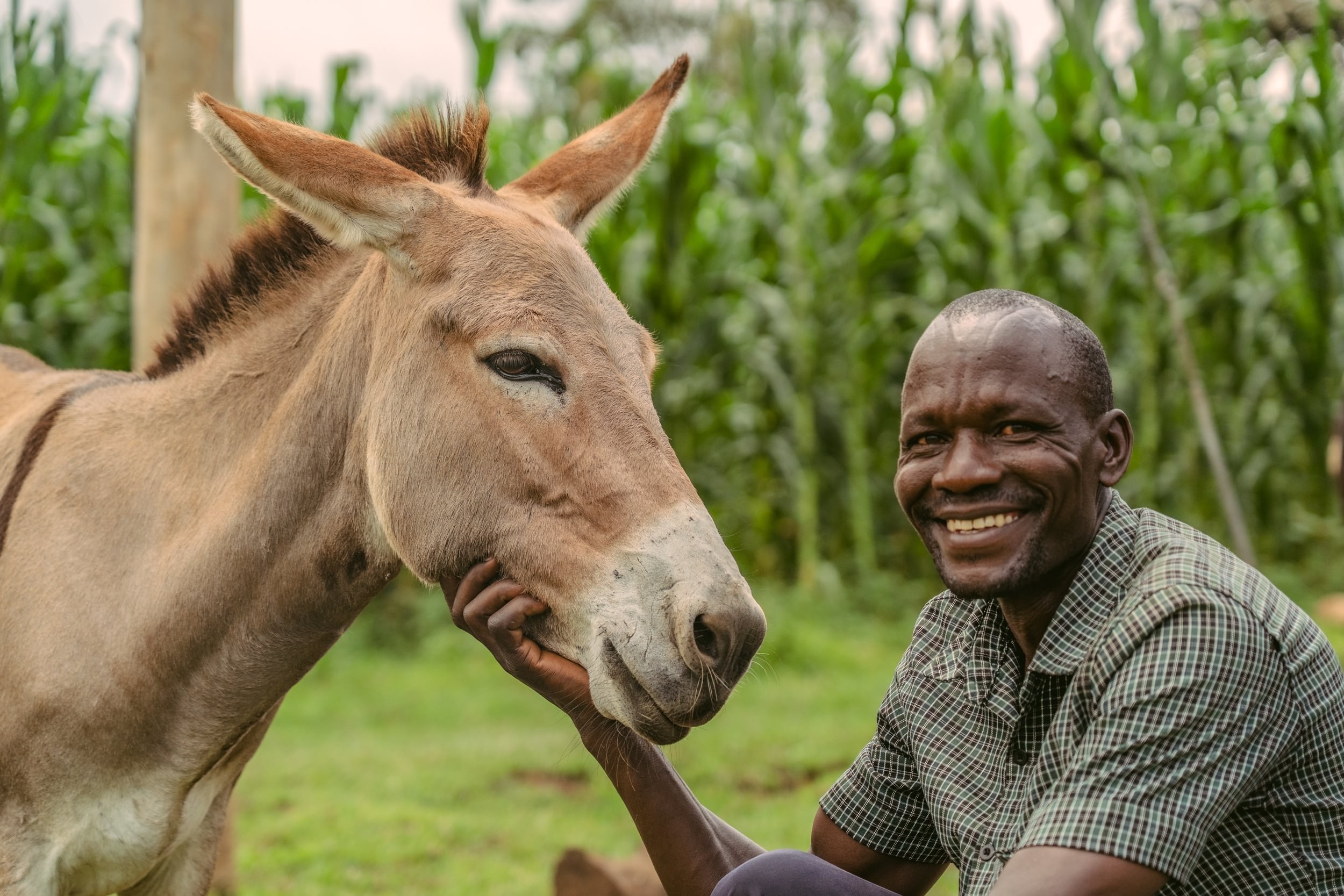
“Our donkeys used to walk long distances carrying water, often returning home tired and thirsty. Now they work fewer hours, have more time to graze, and are healthier and stronger.”

- Oyoo, project participant

Achievements so far

Year 1 progress

>0 KES

saved by community groups (approx. £1,400) for unexpected donkey treatments

0

media campaigns raised awareness of donkey welfare laws and the donkey hide trade

0

pupils took part in donkey welfare education sessions through participating schools

Funding partner

Brooke East Africa

Brooke East Africa is part of Brooke, a global charity working to improve the welfare of working horses, donkeys and mules and the lives of the communities that depend on them. Across East Africa, Brooke works with communities, animal health professionals and local partners to strengthen animal welfare, build resilience and support the people whose livelihoods rely on working animals.

How you can get involved

Thank you to all supporters, partners, and staff who make this and other projects possible. Change starts with your support.

You can learn more about our work in this area, or take action and support our mission.

Make a donation

Donate

Make a donation

Donate

Partner with us

Explore partnerships

Partner with us

Explore partnerships

Learn about our impact

View our impact

Learn about our impact

View our impact
Sign up to hear more

Want to hear good news stories from Africa, get involved in fantastic fundraising and be part of exciting events? Fill out your details below and we will keep you updated by email.

Name *

* Required information.

By providing your email address above, you are confirming that you are happy for Ripple Effect to contact you by email. We will use your email to let you know about news, events, fundraising and appeals. We will never sell or trade your details. Read more about how we value your privacy. You can unsubscribe at any time by emailing info@rippleeffect.org or by clicking the unsubscribe link in any email we send.

Are you in the right place?

If you are in the US you might be interested in the US site, if so please click the link below.