Back

Soybean Empowerment for Economic Development and Social Protection (SEEDs)

Location: Isingiro District, Southwestern Uganda
Duration: September 2025 - January 2027

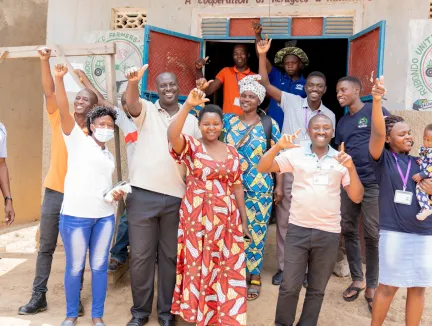
This project is supporting over 2,000 refugee and host community farmers in Uganda to build stronger incomes and greater resilience through the soybean value chain, while increasing access to social protection and financial security.

Our approach

SEEDs helps farmers increase their soybean income by improving how they produce and sell their crops. Participants can also build other income streams and use community savings groups to save and access finance, while learning about labour rights and Uganda’s National Social Security Fund.

Soybean provides farmers with an opportunity to generate income from a crop that has an established market and can also be processed into higher-value products. In Uganda, soybean is widely sold as a cash crop, while opportunities for processing create potential for farmers and entrepreneurs to earn from the crop beyond its sale as raw grain.

This project supports participants to make the most of this opportunity by strengthening how they produce soybean. Farmers take part in agricultural training, building practical knowledge they can apply throughout the growing season.

They also develop their understanding of post-harvest handling so they can protect the quality of their crop before it reaches the market.

Participants access improved soybean seed and other production inputs as they develop their farms.

The project also works with local agricultural extension services, strengthening the technical support available to farmers. This enables participants to access relevant advice as they make decisions about soybean production and respond to changing conditions during the farming season.

Unpredictable rainfall and longer dry periods can make it harder for farmers in Isingiro to maintain reliable crop production. SEEDs helps participants adapt their farming practices so they can make better use of available water and protect their crops when weather conditions become less predictable.

Farmers learn how to conserve moisture in the soil by planting crops using specific techniques, maintaining ground cover, using crop residues and reducing unnecessary soil disturbance. They also explore planting approaches that make better use of available rainfall, including choosing suitable planting times and spacing crops appropriately. These practices can help farmers manage periods when rainfall arrives later than expected or stops for longer periods during the growing season.

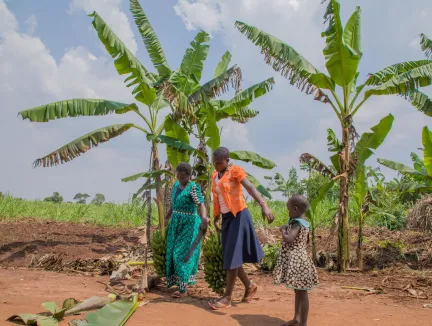
Participants also learn about crop diversification, allowing different crops to contribute to household food and income rather than relying entirely on one harvest. Integrating crops with other farming activities can provide additional options when weather conditions affect soybean production.

Post-harvest practices are another part of climate adaptation. Farmers learn how to dry and store their crops appropriately, reducing the risk of losses when harvesting takes place during wet conditions.

Having a crop to sell does not always translate into a reliable income when farmers have limited influence within the market. The project strengthens farmer groups so participants can take a more collective approach to selling their soybean and explore ways to earn more from what they produce.

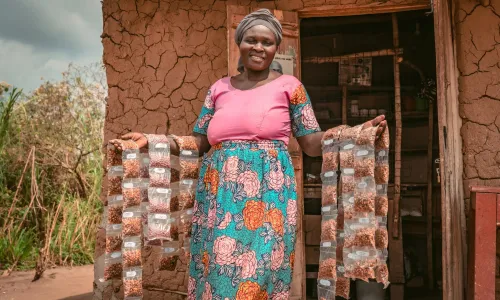
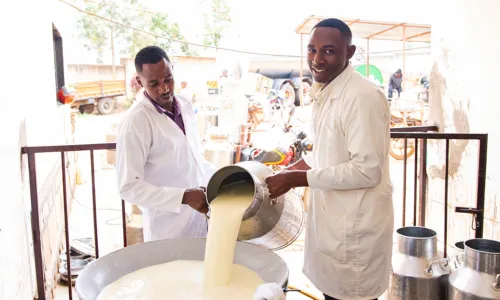
Farmers join groups to build their understanding of market requirements and develop their ability to engage with buyers as a collective, selling in bulk. Participants also explore value addition, turning soybean into products that can be sold for more than raw grain such as soybean flour and roasted soybean snacks.

The project strengthens connections between farmer groups and market actors, helping participants understand where demand exists and what buyers require. Women and young people take part in farmer groups and enterprise activities, creating opportunities to engage in soybean businesses beyond crop production, so they too can benefit from collective efforts.

Unpredictable agricultural income can make it difficult for households to manage periods when money is tight or invest when an opportunity arises. The project strengthens participants’ ability to manage their finances through community-based savings and access to appropriate financial services. Participants join community savings groups where members save regularly and can borrow from funds built within their groups. This gives people a practical way to set money aside while creating access to small loans without relying solely on income from the farming season.

Farmers and entrepreneurs also build their financial literacy, so they can better understand how to manage savings and make informed decisions when borrowing. The project strengthens links between community savings groups and formal financial institutions, creating opportunities for participants to access larger amounts of finance when appropriate.

Women and young people are actively involved in these groups, with opportunities to participate in decisions about how savings are managed and how loans are used. Participants can use this financial knowledge when planning household spending, investing in their enterprises or preparing for future farming seasons.

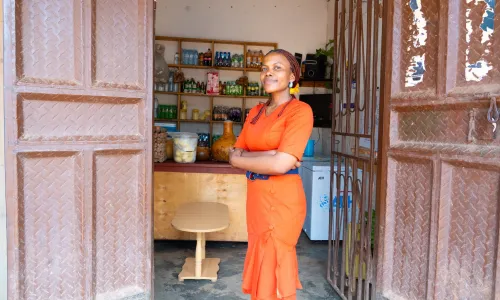
SEEDs supports participants to explore additional income opportunities alongside soybean farming, creating greater flexibility in how households earn and manage money. Participants develop skills that can support complementary enterprises and identify opportunities that fit alongside their existing livelihoods.

The project also raises awareness of labour rights among farmers and Village Agents. Participants learn more about their rights at work and what decent working conditions should look like, helping them make more informed choices around employment and enterprise opportunities.

Alongside this, participants learn about voluntary contributions to Uganda’s National Social Security Fund. This introduces social protection as part of longer-term financial planning, particularly for people whose livelihoods are largely based outside formal employment. Participants can consider how social protection fits alongside their farming income and other economic activities when planning for the future.

“Work is not necessarily a route to security when the work itself is uncertain. For many families in rural Uganda, agriculture is their main source of income, yet a poor harvest or an unstable market can quickly put that income under pressure, while access to social protection remains limited. When people have more secure foundations beneath them, they are better able to make decisions about their livelihoods and invest in opportunities that can carry their families forward.” - Deogratious Egeru, Enterprise Development Coordinator

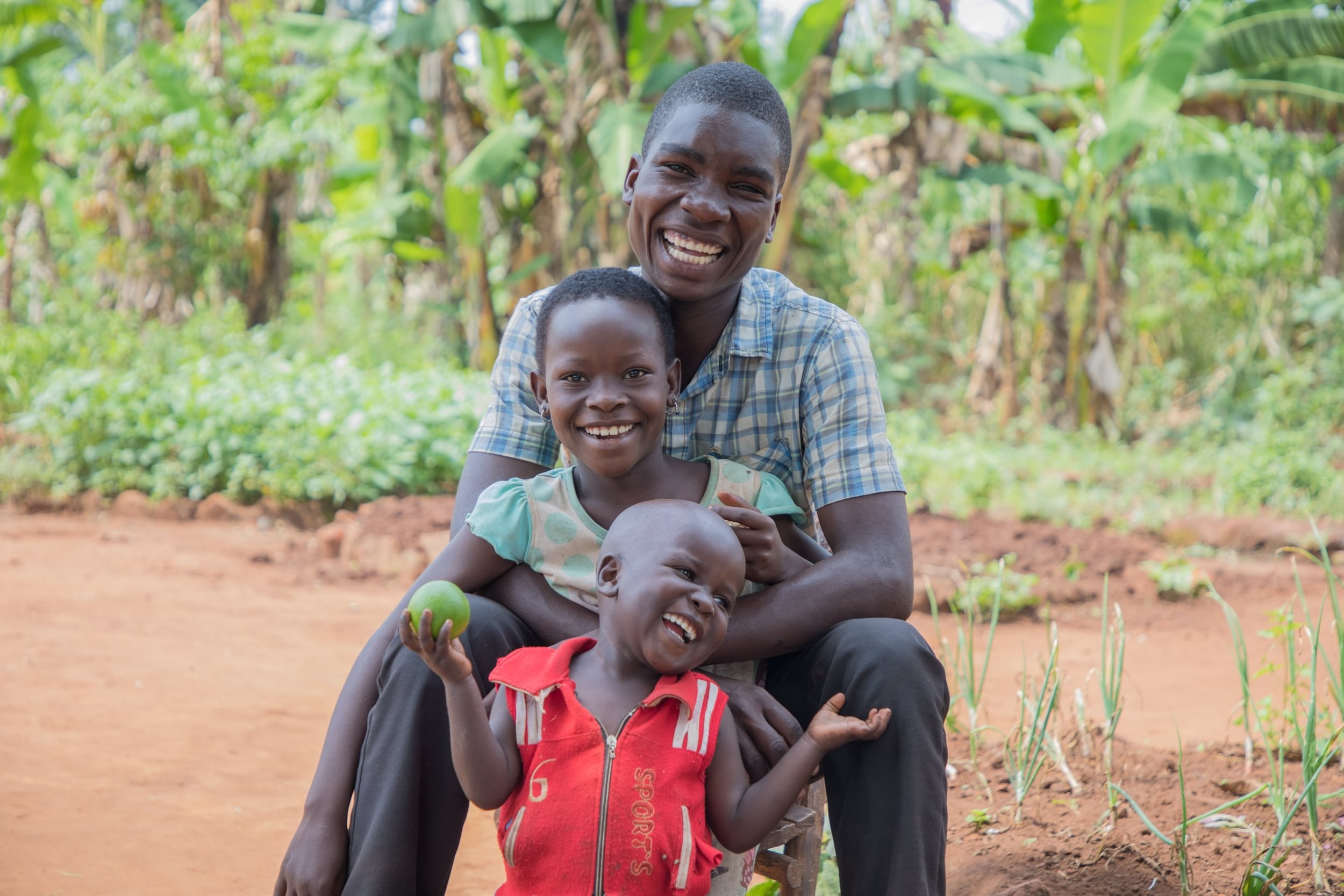
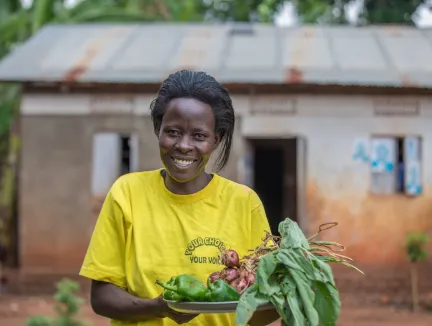
"Before joining the soybean project, farming was mainly for household consumption, and I struggled to meet my family’s needs. I am now more confident because I have multiple sources of income and savings that help me plan for the future."

- Rovina, project participant

Funding partner

The International Labour Organization (ILO)

The International Labour Organization (ILO) is a specialised agency of the United Nations dedicated to promoting social justice and decent work. Bringing together governments, employers and workers, the ILO develops international labour standards, supports policies that expand opportunities for decent employment and income, and promotes rights at work and social protection. Its work aims to create fairer, more inclusive working environments and strengthen the systems that support workers and employers.

How you can get involved

Thank you to all supporters, partners, and staff who make this and other projects possible. Change starts with your support.

You can learn more about our work in this area, or take action and support our mission.

Make a donation

Donate

Make a donation

Donate

Partner with us

Explore partnerships

Partner with us

Explore partnerships

Learn about our impact

View our impact

Learn about our impact

View our impact
Sign up to hear more

Want to hear good news stories from Africa, get involved in fantastic fundraising and be part of exciting events? Fill out your details below and we will keep you updated by email.

Name *

* Required information.

By providing your email address above, you are confirming that you are happy for Ripple Effect to contact you by email. We will use your email to let you know about news, events, fundraising and appeals. We will never sell or trade your details. Read more about how we value your privacy. You can unsubscribe at any time by emailing info@rippleeffect.org or by clicking the unsubscribe link in any email we send.

Are you in the right place?

If you are in the US you might be interested in the US site, if so please click the link below.