Back

Scaling Innovations for Reduced & Redistributed Unpaid Care Work (I4RR)

Location: Bayra Koysha district in Wolaita zone, Ethiopia
Duration: April 2024 - March 2027

The project supports 4,000 Ethiopian women to reduce and redistribute unpaid care and household workloads through community childcare centres, improved backyard forage production, labour-saving solutions, and gender-transformative approaches.

Our approach

The project combines practical training on labour saving solutions with approaches that promote gender equality and mindset change. Men and other family members are engaged alongside women to encourage shared household responsibilities and decision-making.

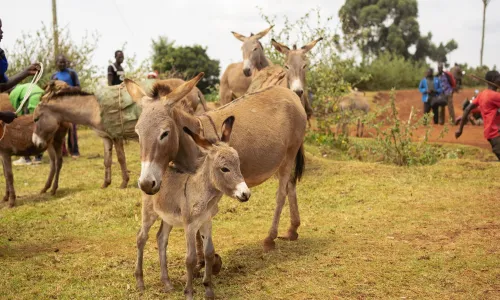
The project is testing practical ways to make everyday work quicker, easier and less physically demanding, helping women gain back time for earning an income and spending time with their friends and families. Donkeys and carts can take the strain out of transporting heavy loads such as water and produce, replacing long journeys carrying goods by hand. Labour-saving approaches to forage production can also reduce the time and effort involved in providing feed for livestock.

The project is also exploring how simple changes in the way household work is organised can make a difference. Through gender-transformative approaches, families are encouraged to share domestic tasks more equally, so that women are not solely responsible for the most time-consuming work. Together, these solutions are giving women more time and greater choice over how they spend it.
https://d1l97138avwug7.cloudfront.net/INCOMPLETE-I4RR-Ethiopia-Project-information-sheet.png
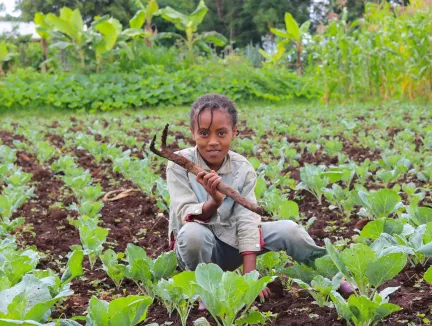
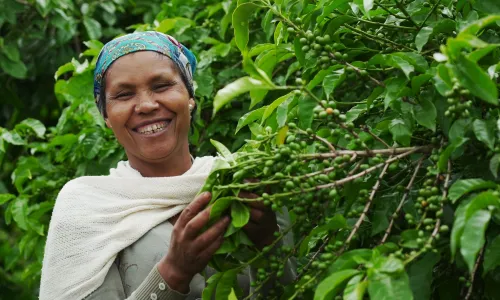
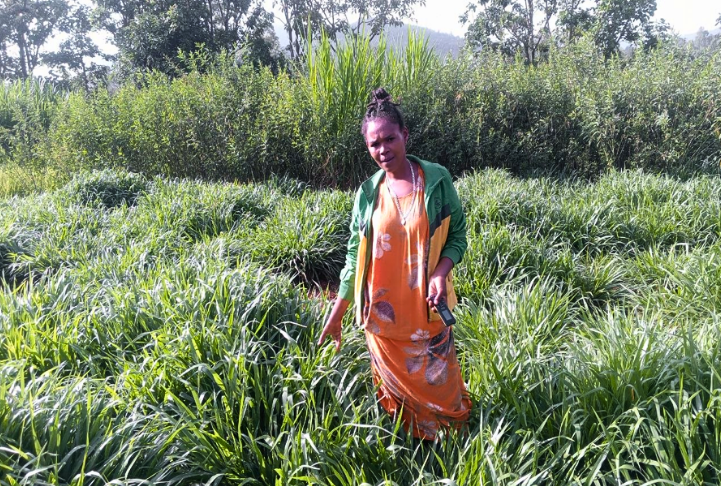
A I4RR project participant, in her fodder field near her home, which saves her time collecting livestock feed

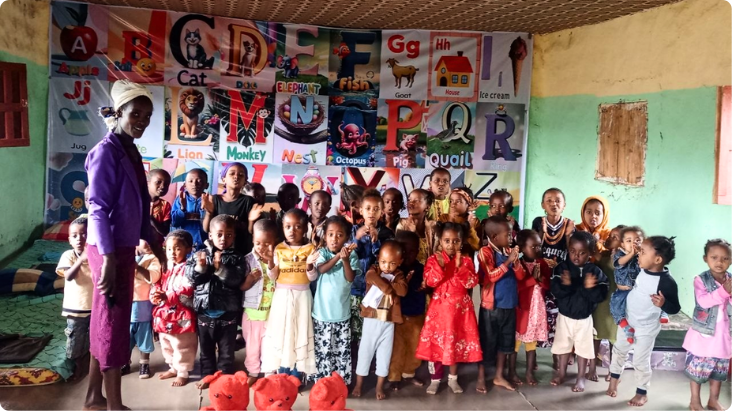
Through the project, communities are establishing safe childcare centres in rural areas, giving children a place to learn and be cared for while their parents take part in other activities. Centres are managed by community groups, with support from local authorities and project partners to strengthen the quality and safety of care. The approach is community-led, with trained facilitators and community champions helping families understand the value of shared care and encouraging wider participation in childcare.

The centres are more than a place for children to spend the day. They are helping to shift responsibility for care from women alone towards families and communities, while giving mothers greater freedom to pursue farming, businesses, skills development and community activities. The project is also generating evidence on how community-based childcare can be strengthened and made more sustainable over time.

https://d1l97138avwug7.cloudfront.net/INCOMPLETE-I4RR-Ethiopia-Project-information-sheet-1.png
One of the childcare centres in Ethiopia Wolaita zone, as part of the I4RR project

Changing the amount of work women do also means changing who is expected to do it. The project works with women, men and families to question traditional roles around childcare, household tasks, farming and decision-making, and to find fairer ways of sharing responsibilities.

Through Transformative Household Methodology (THM), families look together at how their work and household resources are divided. Conversations help men recognise the often-unseen workload carried by women and encourage couples to make decisions and tackle everyday tasks together.

The project also uses SASA! to take these conversations beyond individual households. Community members and leaders are supported to talk openly about power and equality, helping challenge attitudes that can limit women’s and girls’ choices and participation.

The aim is lasting change: not simply giving women more time, but helping ensure they have a greater say in how that time is used, whether to farm, earn an income, learn new skills, participate in their community or spend time with their families.

https://d1l97138avwug7.cloudfront.net/INCOMPLETE-I4RR-Ethiopia-Project-information-sheet-2.png
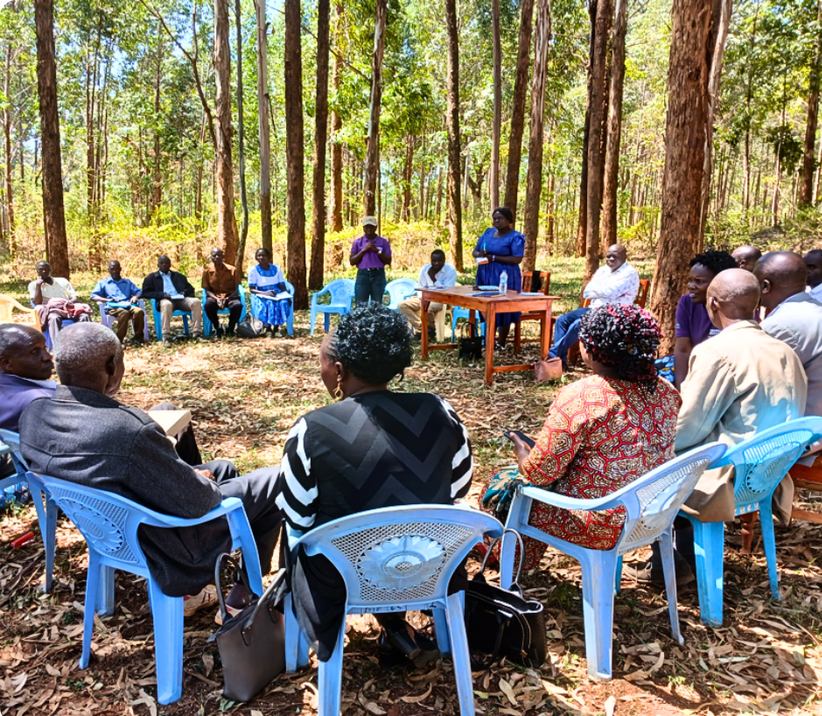
I4RR participants in a community gender dialogue session

Livestock are an important part of rural livelihoods, providing families with food, income and valuable resources such as manure used as a natural fertiliser. We recognise that well-cared-for animals are important in their own right, as well as for the families who depend on them. Families take part in training in livestock management, nutrition, breeding practices and animal welfare, helping them understand and respond to their animals’ needs.

The project also looks at how livestock can help reduce women’s unpaid workload, rather than adding to it. Practical solutions such as using donkeys for transporting heavy loads can reduce the time and physical effort involved in running the household. 

A key innovation is growing high-quality forage close to the home, including improved varieties that can be established in backyards. This means women spend less time travelling long distances to find and carry livestock feed. Better feeding can also support improved livestock health and productivity, helping families benefit from animals that contribute to both livelihoods and household nutrition.

The I4RR project supports families to grow more from the land they own, while caring for the soil and natural resources that their livelihoods depend on. Rather than relying on a single crop or farming method, families are encouraged to build diverse farms that can provide food and income throughout the year.

Training introduces practical approaches such as composting, mulching, crop diversification, kitchen gardens and better water management. These techniques can help improve soil health and reduce reliance on costly external inputs, while helping families prepare for increasingly unpredictable weather.

Farmers are also encouraged to see the farm as one connected system. Crops, livestock, trees and soil can support one another: manure can enrich the soil, crops and forage can feed animals, and diversified production can provide families with a wider range of foods and potential sources of income.

I4RR is designed as an evidence-generating project, testing which combinations of social and practical innovations are most effective at reducing and redistributing women’s unpaid care work. The project collects both quantitative and qualitative evidence to measure changes in women’s workloads, empowerment, decision-making and gender norms, as well as the effects on general livelihoods.

The Women’s Empowerment in Livestock Index (WELI) is used to measure changes in women’s empowerment, including time allocation and work balance. Qualitative research through focus group discussions and interviews explores the reasons behind these changes, including attitudes towards childcare, livestock feeding, forage production and women’s roles within households and communities.

The project is also testing different combinations of solutions, including labour-saving forage approaches, donkey use, childcare and gender-transformative methods, to understand what works best in different contexts. Evidence from the research will help identify approaches that can be adapted, replicated and scaled, while contributing to wider discussions and policy on unpaid care work in agricultural communities.

Women are turning the time they gain from reduced unpaid work into new opportunities to earn and save. The project builds women’s confidence and skills to identify viable income-generating activities, develop simple business plans, understand their markets and make informed decisions about how to use their earnings.

Through Self-Help Groups, women save and plan together, building collective financial strength while creating spaces to share ideas, make decisions and support one another. Women take an active role in managing group savings and deciding how resources can be used, strengthening their leadership and influence within their communities. Groups can also provide access to loans, giving women capital to invest in small businesses or expand existing livelihoods.

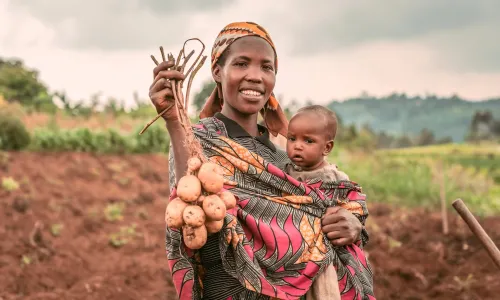
Women are also diversifying how they earn from their farms. Vegetable production and livestock produce can provide food for the household while creating products to sell locally, giving women more than one route to generate income and build financial resilience.

Women are empowered to do more than earn and save: they are able to decide where money is invested and which opportunities to pursue to strengthen their families and communities.

Achievements so far

Year 1 progress

0%

of women now receive support from husbands and family members in everyday chores

0%

increase in women participating in income-generating activities

0%

of eligible children attend community daycare, freeing mothers’ time

Funding partner

The International Development Research Centre (IDRC)

The International Development Research Centre (IDRC) is a Canadian organisation that supports research and innovation to help build a more sustainable, inclusive and prosperous world. Working with partners across the Global South, IDRC funds research that addresses pressing development challenges and helps turn evidence and ideas into practical solutions that can improve people’s lives.

How you can get involved

Thank you to all supporters, partners, and staff who make this and other projects possible. Change starts with your support.

You can learn more about our work in this area, or take action and support our mission.

Make a donation

Donate

Make a donation

Donate

Partner with us

Explore partnerships

Partner with us

Explore partnerships

Learn about our impact

View our impact

Learn about our impact

View our impact
Sign up to hear more

Want to hear good news stories from Africa, get involved in fantastic fundraising and be part of exciting events? Fill out your details below and we will keep you updated by email.

Name *

* Required information.

By providing your email address above, you are confirming that you are happy for Ripple Effect to contact you by email. We will use your email to let you know about news, events, fundraising and appeals. We will never sell or trade your details. Read more about how we value your privacy. You can unsubscribe at any time by emailing info@rippleeffect.org or by clicking the unsubscribe link in any email we send.

Are you in the right place?

If you are in the US you might be interested in the US site, if so please click the link below.