
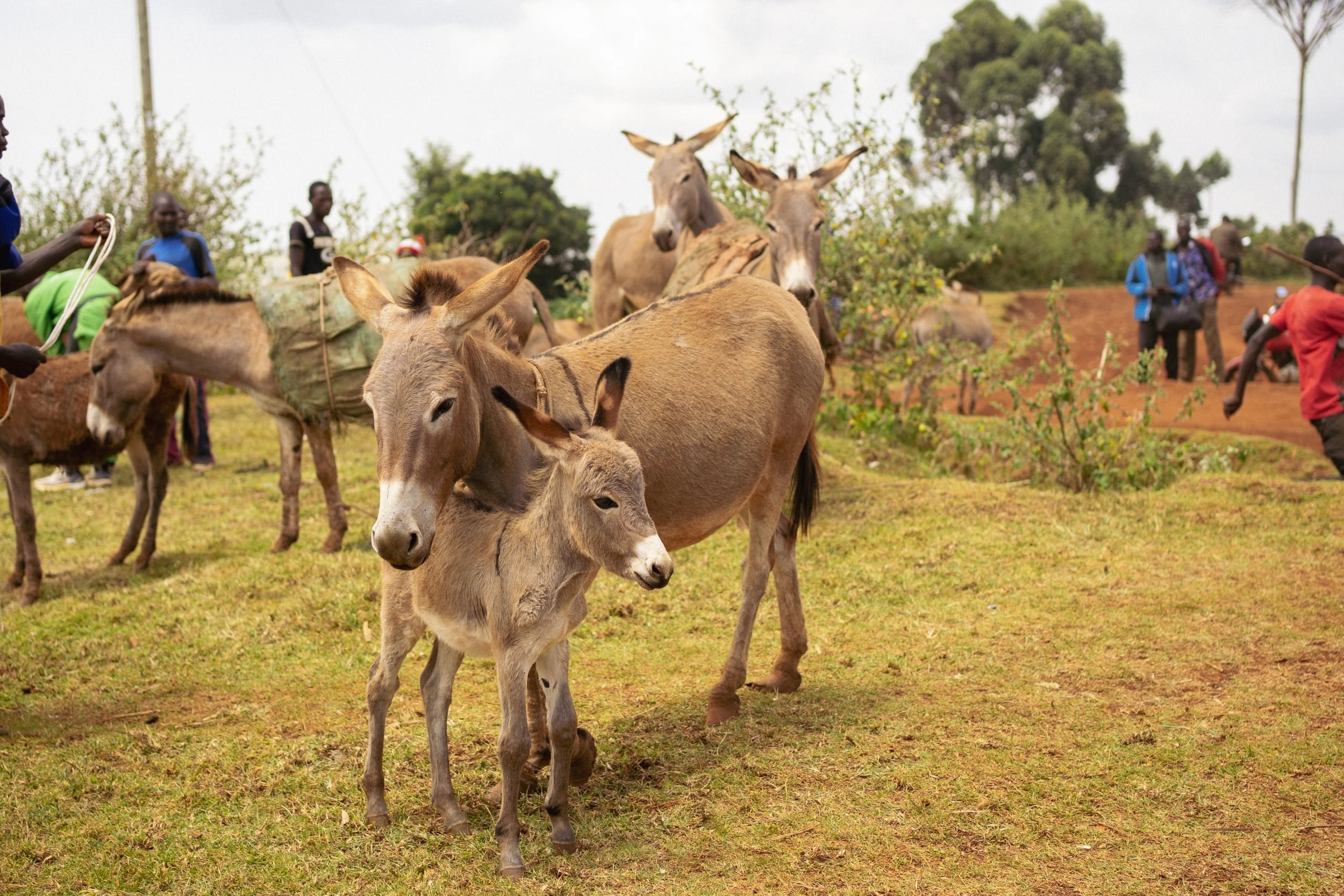
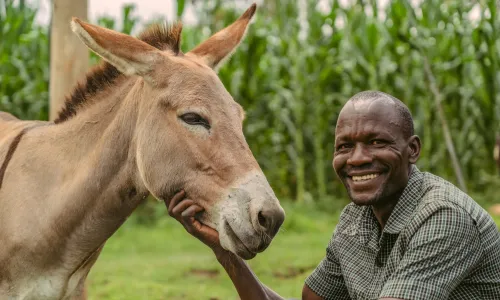
The project helps families improve the health and welfare of their working donkeys, horses and mules by building practical knowledge and making animal health support more accessible through a range of training sessions and community demonstrations. Equine Welfare Groups (EWGs) bring owners together to share knowledge about humane handling, appropriate workloads, feeding, watering, shelter and harnessing, helping families recognise and prevent common welfare problems.
Back
Equine Welfare for Livelihood Development in Woliso (E-WLD)
Location: Woliso district of Southwest Shewa Zone of the Oromia Regional State, Ethiopia
Duration: May 2026 - April 2029
This project works with 1,400 donkey and mule owning households in Ethiopia to improve equine welfare while strengthening household incomes, nutrition, gender equality and resilience to climate change.
The challenge
Families in rural Ethiopia face challenges that can make it hard to earn a steady income and care for their animals. Donkeys and mules are an important part of everyday life, helping families with work and transport. But many owners have limited access to information about donkey welfare and care. When food and water are harder to find, this can lead to problems such as poor health, wounds and tiredness in working animals.
Our approach
The project takes a community-led One Welfare approach to improve the welfare of 3,177 working donkeys and mules while supporting 1,400 households to become more resilient. It will build knowledge of equine care, strengthen local services and community groups, and support families to improve their livelihoods and adapt to climate pressures.
Local Peer Farmer Trainers and Community Animal Health Workers reinforce this learning within communities. The project also supports veterinary providers and promote better equipment, including locally made harnesses, while demonstrating improved ways to provide feed and water. Together, these activities will help reduce preventable injuries and improve the health and working lives of donkeys, horses and mules. Additionally, these sessions aim to reframe thinking around these animals, so they are perceived as more than a resource and taken care of adequately.
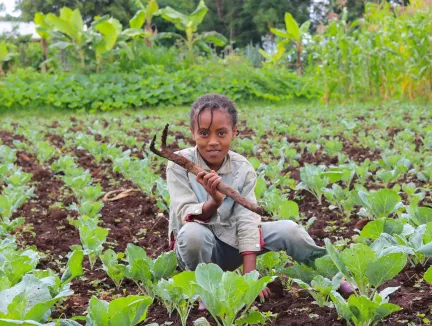
The project takes a One Health approach, recognising that the health of families, their animals and the environment are closely connected. Supporting healthier working donkeys and mules therefore goes hand in hand with helping households produce nutritious food, protect natural resources and become more resilient to changing weather. Families learn climate-smart and agroecological farming practices that can help protect food supplies and maintain access to animal feed as weather patterns change. Practical demonstrations support households to grow and conserve suitable fodder, using locally available options such as crop residues, legume forages and drought-resistant grasses. Kitchen and vegetable gardens encourage more diverse diets, while improved sanitation and access to safe water will support health across households and their animals.
Community discussions explore how caring for soil and water can benefit people, livestock and the wider environment. Through a range of sustainable agriculture practices, the project aims to strengthen household resilience while creating healthier conditions for both families and their working animals.
Through the project, participants join together in Self Help Groups, in which they collectively develop savings and internal lending systems. This gives members greater opportunities to invest in small businesses or cover important household and animal care costs when needed. Training in financial literacy and business development will open up opportunities beyond reliance on working animals.
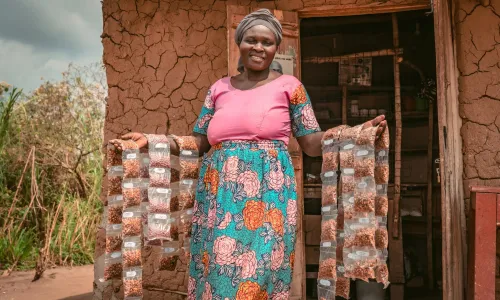
Families may explore activities such as poultry keeping, honey production, handicrafts, fodder businesses or harness making, with support to strengthen market links. Particular attention will be given to women and young people, who can face greater barriers to accessing economic opportunities. More stable and diverse incomes can help families cope with unexpected costs or climate pressures, while giving them greater flexibility to invest in the health and welfare of their donkeys and mules.
Women, young people and people with disabilities are actively included in project activities and decision-making. The project uses community dialogue, peer support and the Transformative Household Methodology (THM) to encourage families to reflect on how work, care, resources and decisions are shared within the household. THM creates space for women and men to discuss responsibilities and decision-making together.
This can help families find fairer ways to share workloads, including unpaid care, while giving women a stronger voice in decisions that affect household finances and animal care. The project also promotes safeguarding and disability inclusion, helping ensure that different members of the community can participate meaningfully and benefit from the opportunities available.
Long-term change is built through local groups and services rather than relying on project staff alone. Equine Welfare Groups meet regularly and develop their skills in animal welfare, group management, savings and financial management. Peer Farmer Trainers act as local champions, sharing knowledge with other members and helping monitor whether new practices are being put into use. The groups gradually develop into Cluster Level Associations, creating a stronger platform for continued community-led action beyond the project. The project also works closely with government agriculture, livestock and water offices, animal health providers, research institutions and other local stakeholders. Holeta Agricultural Research Centre and Ambo University contribute technical expertise around areas such as fodder development, animal health and applied research.
Community Animal Health Workers and agrovets will help strengthen access to animal health services. By building these relationships and strengthening existing local structures, the project aims to leave communities with the knowledge, skills and connections needed to continue improving equine welfare after project support ends.
"Strong partnerships are essential to sustainable development. By bringing together community organisations and government services, we can make sure improvements in equine welfare are supported well beyond the project itself" - Solen Dessalegn, Programme Funding Manager
Funding partner
The Donkey Sanctuary
The Donkey Sanctuary is a global charity dedicated to improving the welfare of donkeys and mules. Founded in the UK in 1969, it works with communities, governments and partner organisations around the world to improve the lives of working donkeys, while promoting better understanding, care and protection for these animals.
How you can get involved
Thank you to all supporters, partners, and staff who make this and other projects possible. Change starts with your support.
You can learn more about our work in this area, or take action and support our mission.
- Discover other active programmes in Ethiopia
- Sign up for programme updates and stories by email
- Support us financially or find out about partnership opportunities:
Sign up to hear more
Want to hear good news stories from Africa, get involved in fantastic fundraising and be part of exciting events? Fill out your details below and we will keep you updated by email.