Back

Kungahara: Enhancing Livelihoods of Coffee-growing Communities around Lake Kivu (ELICC)

Location: Nyamasheke District, Rwanda
Duration: January 2026 - January 2029

This project targets 4,000 coffee farmers around Lake Kivu in Rwanda over three years, with a focus on strengthening food security and household incomes.

Our approach

The Kungahara project supports farmers to improve food production through agroecology and better animal management, while developing alternative sources of income through inclusive entrepreneurship and enterprise skills.

Farmers build practical skills in agroecological and climate-smart farming to increase the amount and variety of food they produce at home. Through their Self-Help Groups, they learn about soil fertility, organic composting, intercropping and improved crop production, with training adapted to the conditions farmers face around Lake Kivu.

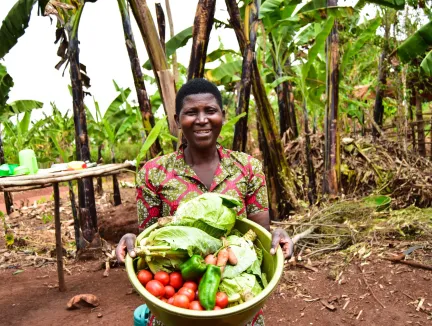
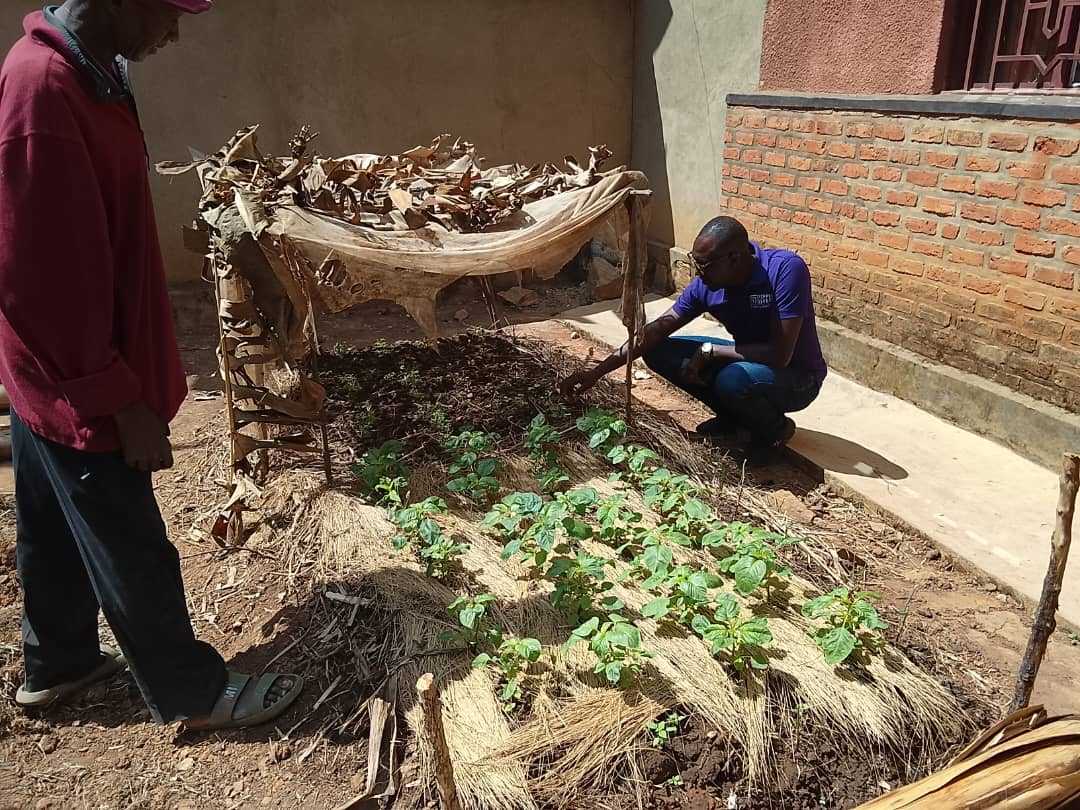
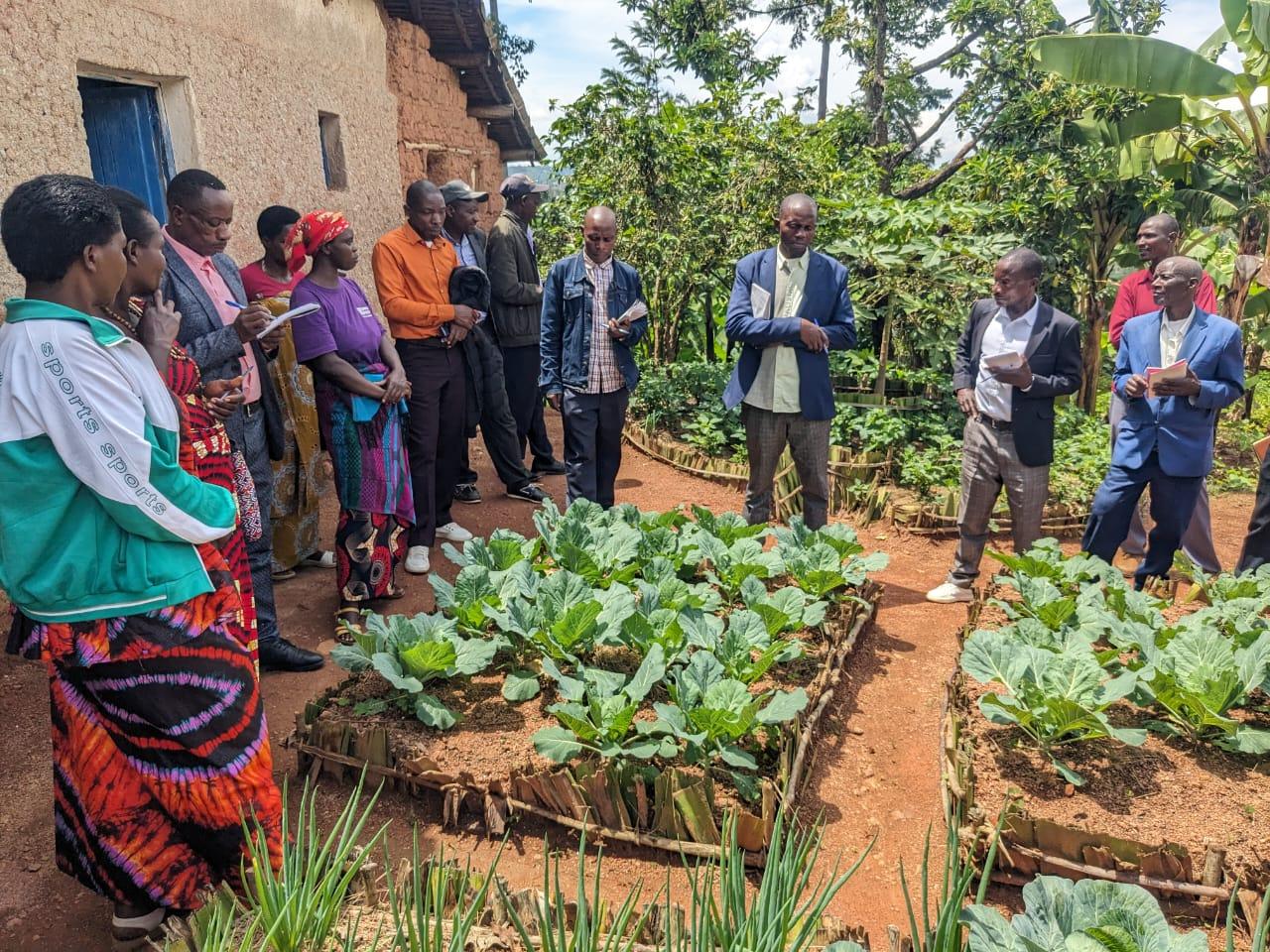
Households establish backyard vegetable gardens and receive vegetable seeds, helping them grow nutritious food alongside coffee and reduce their reliance on purchased food. Small-scale livestock production also provides an additional source of food for families.
Community seedbeds and tree nurseries support this work by providing resources that farmers can use to establish and expand their gardens and farms. Community nurseries produce fruit and agroforestry seedlings, while farmers learn how to establish and manage their own tree resources.

The project also promotes improved post-harvest practices to reduce losses and maintain the quality of food and other produce.

Farmers learn sustainable land management practices that protect the soil and water on which coffee production depends. Training covers techniques such as terracing, mulching, composting, erosion control and agroforestry, with farmers applying these approaches to coffee and food production. Integrating shade and other useful trees into coffee farms also provides opportunities to strengthen farm diversity while protecting soil and improving growing conditions.

Model farms, demonstration plots and farmer field schools make these practices practical and accessible to all. Farmers can see how techniques work in real farming conditions and exchange experience with others who are already applying them. The project also promotes water conservation and efficient water use, responding to challenges such as limited water availability during dry periods that can affect vegetable production and household food supplies.

https://d1l97138avwug7.cloudfront.net/WhatsApp-Image-2026-06-22-at-10.44.08.jpeg
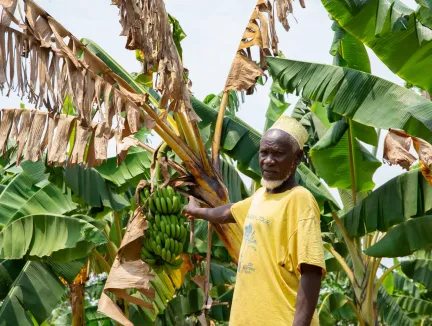
Soil protection techniques being used, like mulching and shade being used for growing crops here.

Farmers develop skills that allow them to earn income beyond coffee, reducing their exposure to seasonal income gaps and fluctuations in coffee prices. Women and young people receive training in entrepreneurship, business management and marketing, while the project supports households to identify income-generating activities suited to their skills and local opportunities. These include enterprises such as beekeeping, poultry keeping and handicrafts, alongside opportunities linked to coffee seedlings, fruit trees and agroforestry.

The project also supports value addition so farmers can increase the value of what they produce before it reaches the market. For example, beekeeping enterprises can be linked to simple honey processing facilities at cooperatives, allowing farmers to sell processed honey alongside coffee. Market assessments and links with local buyers help businesses understand where demand exists and develop stronger routes to market.

Self-Help Groups provide a structure through which farmers build financial skills and work together on economic activities. Village Savings and Loan Associations give members a way to save regularly and access small loans, helping households invest in enterprises or manage periods when income from coffee is limited. Training in financial management supports members to make informed decisions about their household and business finances.

Coffee cooperatives also strengthen farmers' ability to provide effective services to members. Leaders receive training in governance, financial management and transparency, while digital tools can improve record-keeping and accountability. Gender-inclusive approaches encourage women to participate in cooperative decision-making and access the opportunities available through the project. Working with Rwanda Trading Company and government services also helps connect farmers with markets, technical support and relevant agricultural programmes.

The project has set up 100 Self-Help Groups, creating a local structure through which farmers learn and exchange experiences. Model farmers demonstrate successful approaches to their peers, from agroecological production to sustainable land and water management, giving other farmers practical examples they can adapt to their own farms. Exchange visits also allow participants to learn directly from communities already applying improved farming and livelihood practices.

Peer Farmer Trainers and Community Animal Health Workers provide ongoing technical support within their communities, extending knowledge beyond the farmers who receive direct training. Farmers are encouraged to share useful practices with others, while Ripple Effect works with local agronomists, veterinary officers and other government extension services. This connects communities with expertise and existing services that can continue to support improved farming and enterprise development beyond the project.

https://d1l97138avwug7.cloudfront.net/WhatsApp-Image-2026-07-07-at-4.50.29-PM.jpeg
Project participants taking part in an exchange visiit, seeing another farm

“We see farmers not only as participants, but as a source of knowledge and leadership within their communities. Strong community groups give farmers a space to learn from one another and build on what they already know. This means that when the project ends, the knowledge does not leave with us. It stays within the community, where farmers can continue using it and sharing it with others as they face new challenges.” - Angelique Barongo, Ripple Effect Rwanda Country Director

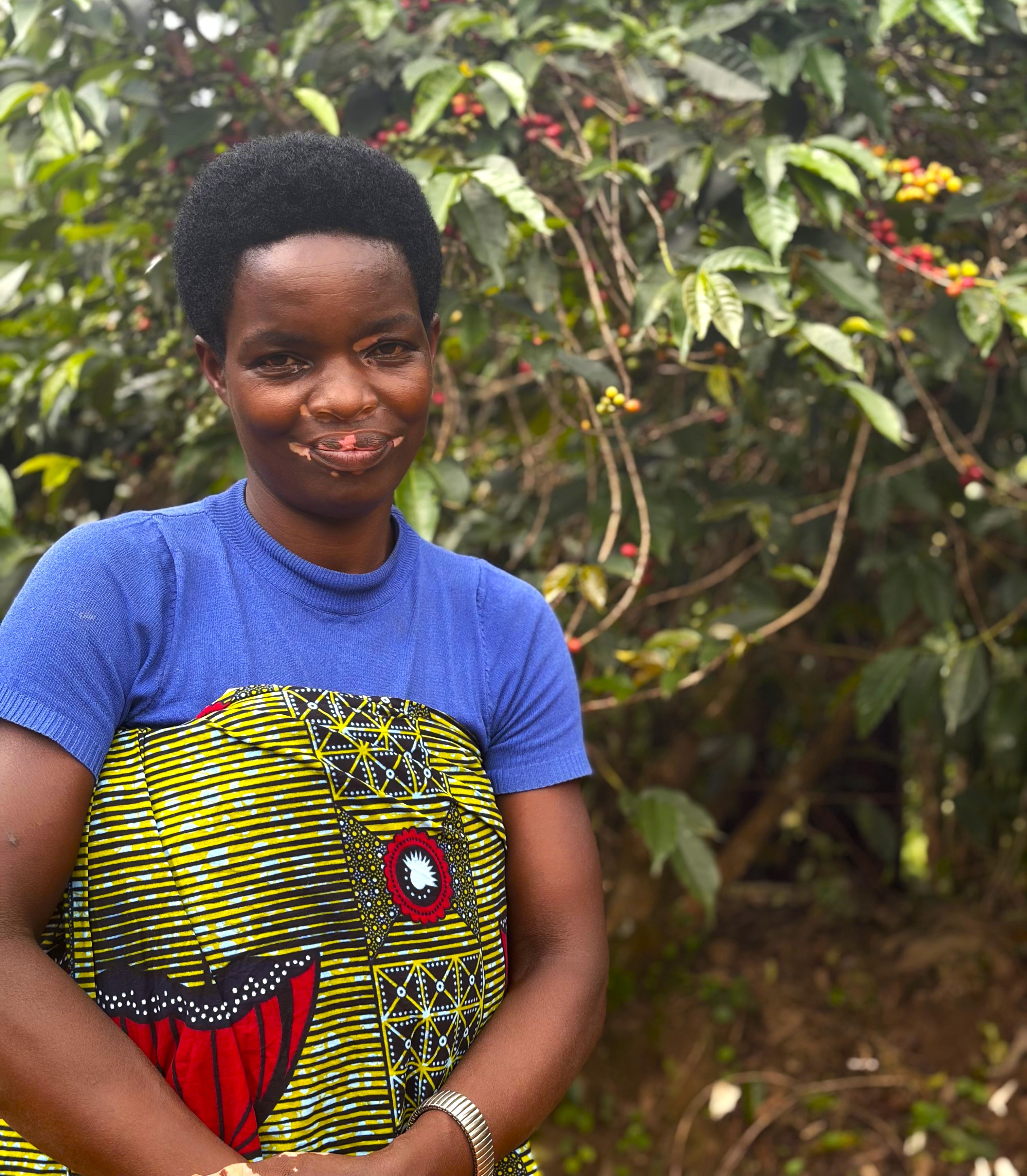
"Before the training, I never realized that the empty space around my home could help feed my family and improve our livelihoods. Now I have the knowledge and confidence to establish my own vegetable garden and contribute to better nutrition for my family."

 - Anathe, Kungahara project participant

Achievements so far

6 months' progress

0

households established vegetable gardens

0

community leaders trained in leadership and good governance

0

community tree nurseries established

Funding partners

Taylors of Harrogate (lead funder) & Peet's Coffee (co-funder)

Taylors of Harrogate

Taylors of Harrogate is an independent, family-owned British tea and coffee company, founded in Yorkshire in 1886. Taylors works to build long-term relationships with growers and suppliers and invests in initiatives that support coffee-growing communities and protect the environments they depend on. Its community programmes include work on access to water, healthcare and education, as well as helping farming communities respond to climate change.

Peet’s Coffee

Peet’s Coffee is a US coffee company founded in California in 1966, known for its focus on high-quality hand-roasted coffee. Peet’s works with coffee producers around the world and invests in initiatives that strengthen coffee-growing communities, improve farming practices and support climate resilience.

How you can get involved

Thank you to all supporters, partners, and staff who make this and other projects possible. Change starts with your support.

You can learn more about our work in this area, or take action and support our mission.

Make a donation

Donate

Make a donation

Donate

Partner with us

Explore partnerships

Partner with us

Explore partnerships

Learn about our impact

View our impact

Learn about our impact

View our impact
Sign up to hear more

Want to hear good news stories from Africa, get involved in fantastic fundraising and be part of exciting events? Fill out your details below and we will keep you updated by email.

Name *

* Required information.

By providing your email address above, you are confirming that you are happy for Ripple Effect to contact you by email. We will use your email to let you know about news, events, fundraising and appeals. We will never sell or trade your details. Read more about how we value your privacy. You can unsubscribe at any time by emailing info@rippleeffect.org or by clicking the unsubscribe link in any email we send.

Are you in the right place?

If you are in the US you might be interested in the US site, if so please click the link below.