Back

Equine Welfare and Management for Improved Livelihoods (EWAM)

Location: Bensa Woreda, Eastern Sidama Zone, Sidama Regional National State, Ethiopia
Duration: July 2025 - March 2027

This project reaches over 6,000 donkey-owning families in rural Ethiopia, offering training in appropriate equine care, including improved feed, shelter and harnesses, and improving access to veterinary services. The project also upskills participants in sustainable agriculture and financial literacy.

Our approach

The EWAM project connects equine welfare with wider household resilience, so farmers can see the mutual benefit and invest in their animal’s health. We take a holistic approach, covering equine health essentials, sustainable agriculture for both food and fodder production, enterprise development for strengthened incomes, and gender and social inclusion so all community members can be involved and benefit.

Inappropriate animal care affects the health of equines and, in turn, the ability of households to rely on them for work and income. Many equine owners have limited access to information about appropriate care, making practical knowledge an important part of improving animal welfare. Equine owners take part in practical training on how to care for their horses, donkeys and mules, with a focus on feeding, disease prevention and humane handling. They learn to recognise signs of illness and understand how everyday care can affect an animal's health and ability to work.

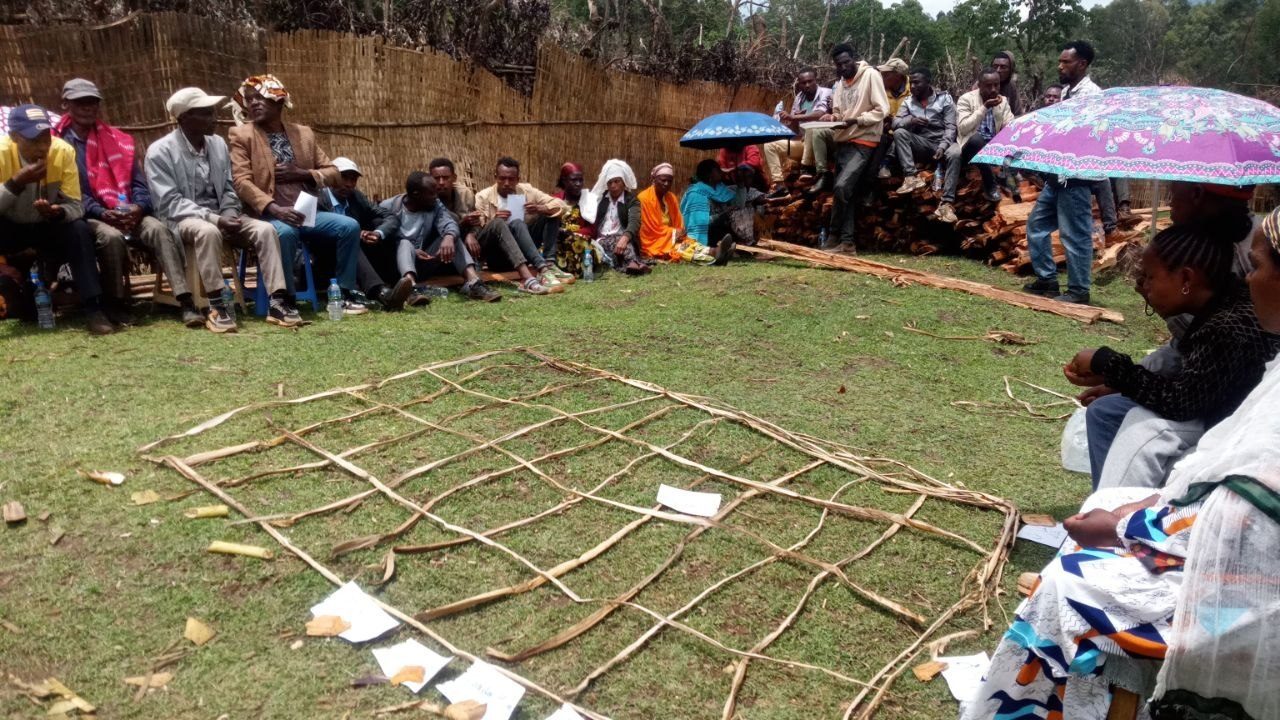
Community members also explore the value of equines within rural households, building greater awareness of the connection between animal welfare and household wellbeing. Through Equine Welfare Groups (EWGs), participants continue to share what they have learned with other community members, spreading transformation much further than the initial project’s reach. Group discussions create opportunities for equine owners to not only exchange experiences, but also discuss challenges and encourage better care practices beyond formal training sessions.
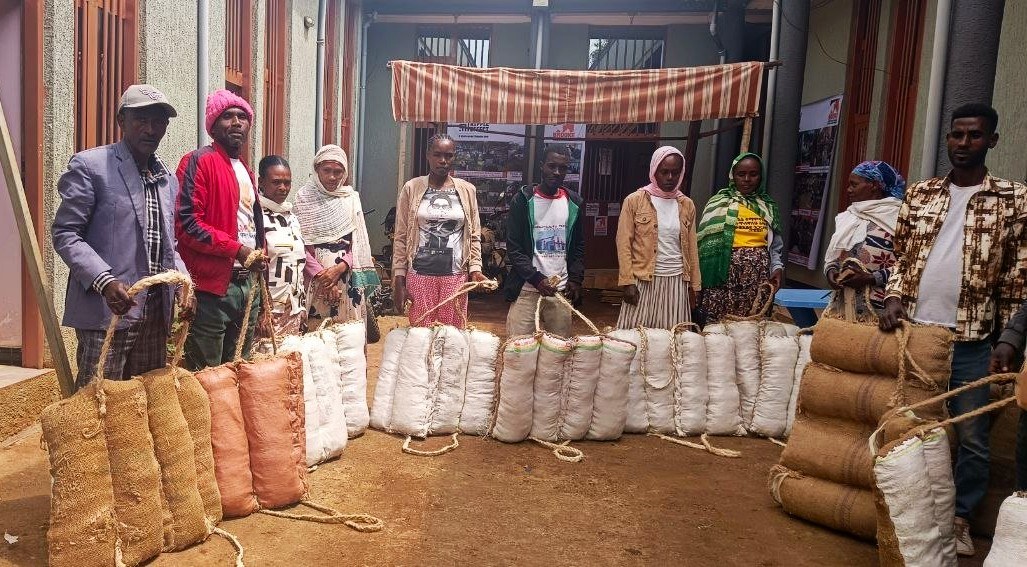
https://d1l97138avwug7.cloudfront.net/Award-Best-performng-Peer-farmers.jpg
Participants awarded for the improved saddle pads they made.

Equine owners can face difficulties accessing affordable veterinary advice and treatment, particularly when medicines or trained personnel are not readily available locally. Delays in treating illness can affect animal welfare and reduce the ability of families to rely on their animals for work.

Local veterinary personnel strengthen their knowledge and skills through training and practical support, while the project works to improve access to appropriate medicines and veterinary tools. This helps build stronger links between equine-owning households and the veterinary services available to them, so that animal health concerns can be identified and addressed earlier.

Community-based structures also play an important role in this approach. Equine Welfare Groups and Community Animal Health Workers share information about animal health and encourage owners to seek appropriate support when animals become sick or injured.

The project takes a One Health approach, recognising the close links between the health of animals, people and the environment. By strengthening knowledge within communities and connections with veterinary services, the project supports better animal care while contributing to healthier households and communities.

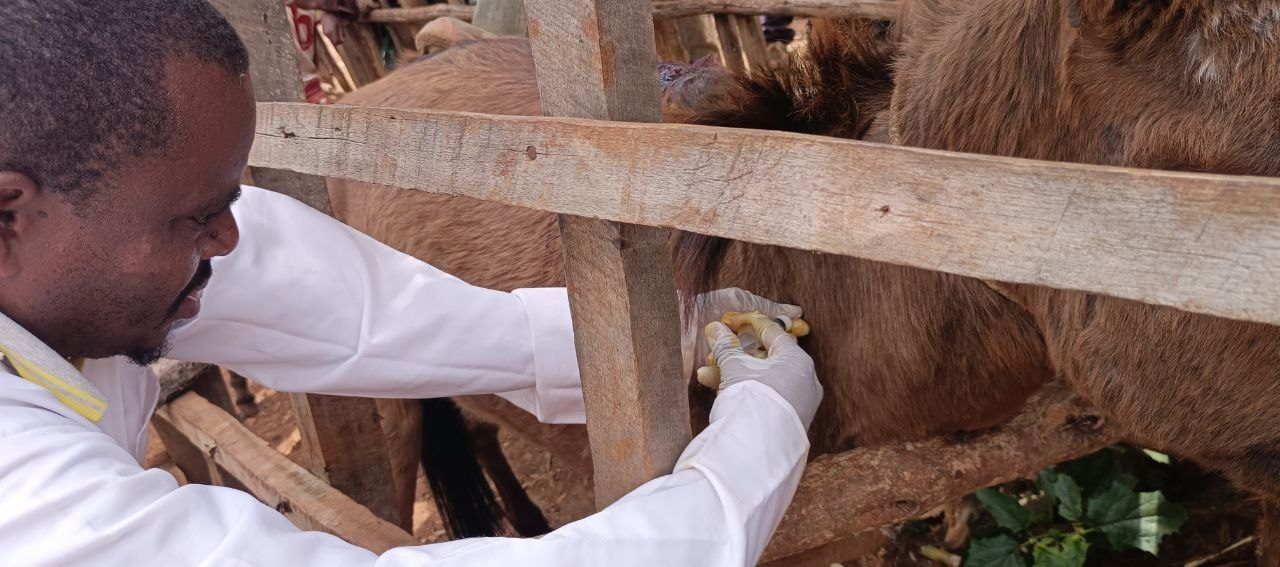
https://d1l97138avwug7.cloudfront.net/Practical-Demonstration-on-Deworming.jpg
Veterinarian administering deworming treatment to a donkey on a demonstration community day.

Lack of suitable drinking points, shade and nutritious feed can make it harder for equine owners to maintain their animals in good condition. Dry periods can make access to water particularly difficult, while purchased feed may be beyond the means of some households as their incomes tend to rely on rain-fed agriculture.

Through the project, equine owners are improving the conditions in which their animals are kept by constructing practical infrastructure around their homes and farms. During the first year for example, 60 farmers (42 women and 18 men) constructed a shaded cattle trough. The facility provides animals with access to water while protecting them from direct sunlight, showing how possible it is to protect animal welfare with local resources.

Participants are also cultivating forage around fences and other available areas of their farms. After taking part in training and planting forage crops, farmers are integrating fodder production into their existing farming systems to create a more reliable local source of feed for horses, donkeys and mules. Making use of available space in this way can also reduce reliance on feed purchased from elsewhere.

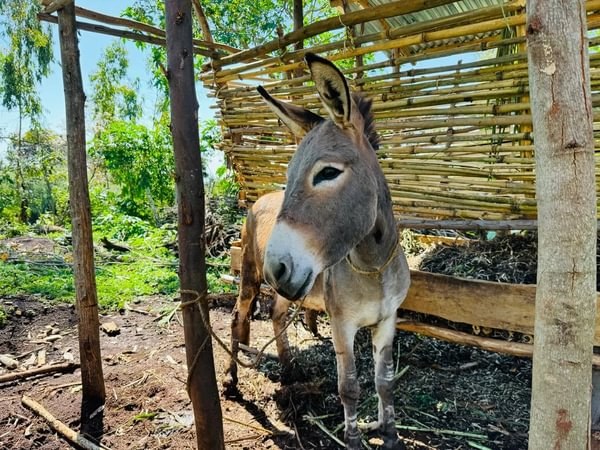
https://d1l97138avwug7.cloudfront.net/Figure-Equine-Feeding-Trough-with-Shade.jpg
Improved donkey shelter and feeding trough.

Women, young people, and people living with disabilities or chronic illness can have fewer opportunities to influence decisions about household income or participate in community leadership, despite playing an important role in rural livelihoods.

Group activities create space for members to contribute to decisions around animal welfare and household livelihoods, while women are encouraged to take on leadership roles.

We work with households to reflect on inequalities and move away from traditional roles so all family members can contribute and benefit equally, within their house and community. Participants can also explore income-generating activities connected to equine ownership and agriculture. These opportunities build on resources and skills already present within households and can strengthen women's and young people's contribution to household income.

https://d1l97138avwug7.cloudfront.net/Figure-Training-for-farmers-on-THM-Transformative-House-hold-Methodology.jpg
Community Transformative Household Methodology training, where members learn about gender inequalities.

Reliance on a limited number of income sources can leave equine-owning households particularly exposed when money is scarce or unexpected costs arise. Families can also face difficulties producing enough nutritious food throughout the year, particularly when rainfall is unreliable. This affects both participants and the animals they own, as they will often need to prioritise their family’s wellbeing.

Through the project, participants take part in sustainable agriculture training and explore climate-smart and accessible farm system technologies that can be used alongside their existing farming and equine-related activities. They put these approaches into practice to make better use of available land and resources, while producing food for their households and exploring opportunities to generate additional income.

Community saving groups provide another way for participants to manage financial pressures. Equine owners move from having no established saving practice to saving collectively. Through regular group saving, members can build funds to draw on when households face financial pressures or to invest in activities that could generate additional income.

“People may understand how to care for their animals, but when income is uncertain, it can be difficult to afford that care or have the capacity to look beyond the most immediate needs of the family. For many, farming is at the heart of that equation, so building more resilient farming systems is essential. At the same time, families are exploring other ways to earn, while group saving gives them something to fall back on when times are difficult.” - Deogratious Egeru, Enterprise Development Coordinator at Ripple Effect

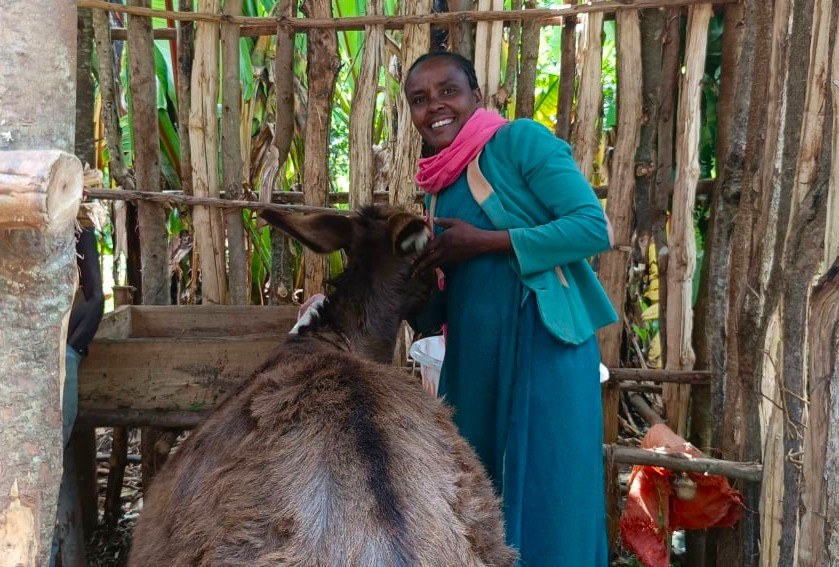
“Previously, I did not know how important proper feeding, shade, and care were for my animals. Now my donkeys are healthier and stronger, and they can support my family better than before.”

- Adanech, EWAM project participant

Funding partner

Brooke Ethiopia

Brooke Ethiopia is part of Brooke, an international animal welfare organisation working to improve the lives of working horses, donkeys and mules and the communities that depend on them. Brooke Ethiopia has worked in the country since 2006, supporting communities to improve equine health and welfare while strengthening access to animal health services. Its work recognises the close connection between animal welfare and the wellbeing of the people who rely on working animals for transport and income.

How you can get involved

Thank you to all supporters, partners, and staff who make this and other projects possible. Change starts with your support.

You can learn more about our work in this area, or take action and support our mission.

Make a donation

Donate

Make a donation

Donate

Partner with us

Explore partnerships

Partner with us

Explore partnerships

Learn about our impact

View our impact

Learn about our impact

View our impact
Sign up to hear more

Want to hear good news stories from Africa, get involved in fantastic fundraising and be part of exciting events? Fill out your details below and we will keep you updated by email.

Name *

* Required information.

By providing your email address above, you are confirming that you are happy for Ripple Effect to contact you by email. We will use your email to let you know about news, events, fundraising and appeals. We will never sell or trade your details. Read more about how we value your privacy. You can unsubscribe at any time by emailing info@rippleeffect.org or by clicking the unsubscribe link in any email we send.

Are you in the right place?

If you are in the US you might be interested in the US site, if so please click the link below.