Back

Dairy for Nutrition and Income (DaNI) - phase II

Location: Wolaita zone, South Ethiopia Regional State, Ethiopia
Duration: July 2023 - June 2027

This second phase of the Dairy for Nutrition and Income project works with 49,800 people in rural Ethiopia to improve household nutrition and income through better dairy production, while strengthening the land and natural resources that support farming and livestock.

Our approach

DaNI II strengthens dairy farming by improving how families feed and care for their cows, while supporting better access to breeding and animal health services. Families also develop ways to earn more from dairy products and manage their land more sustainably, helping strengthen food security and household income.

A healthy cow needs the right food and care to produce good-quality milk. For families who depend on dairy farming, knowing how to keep animals healthy can make a real difference to the food available at home and the income a cow can generate. Farmers learn how to grow and manage fodder so animals have enough nutritious feed throughout the year. They explore ways to conserve forage when fresh feed is scarce, as well as how to provide clean water and suitable shelter. Practical training covers everyday animal care, including recognising signs of illness and taking action early.

Breeding is another part of improving dairy production. Farmers learn about artificial insemination and how choosing suitable breeds can improve milk production over time. Links with local animal health and extension services make it easier to access advice when animals become sick or need specialist care.

Much of the learning happens through demonstration and practice. Farmers can try new techniques on their own farms and share what they learn with others. Peer Farmer Trainers also pass on practical knowledge within their communities, creating a local source of advice that farmers can turn to.
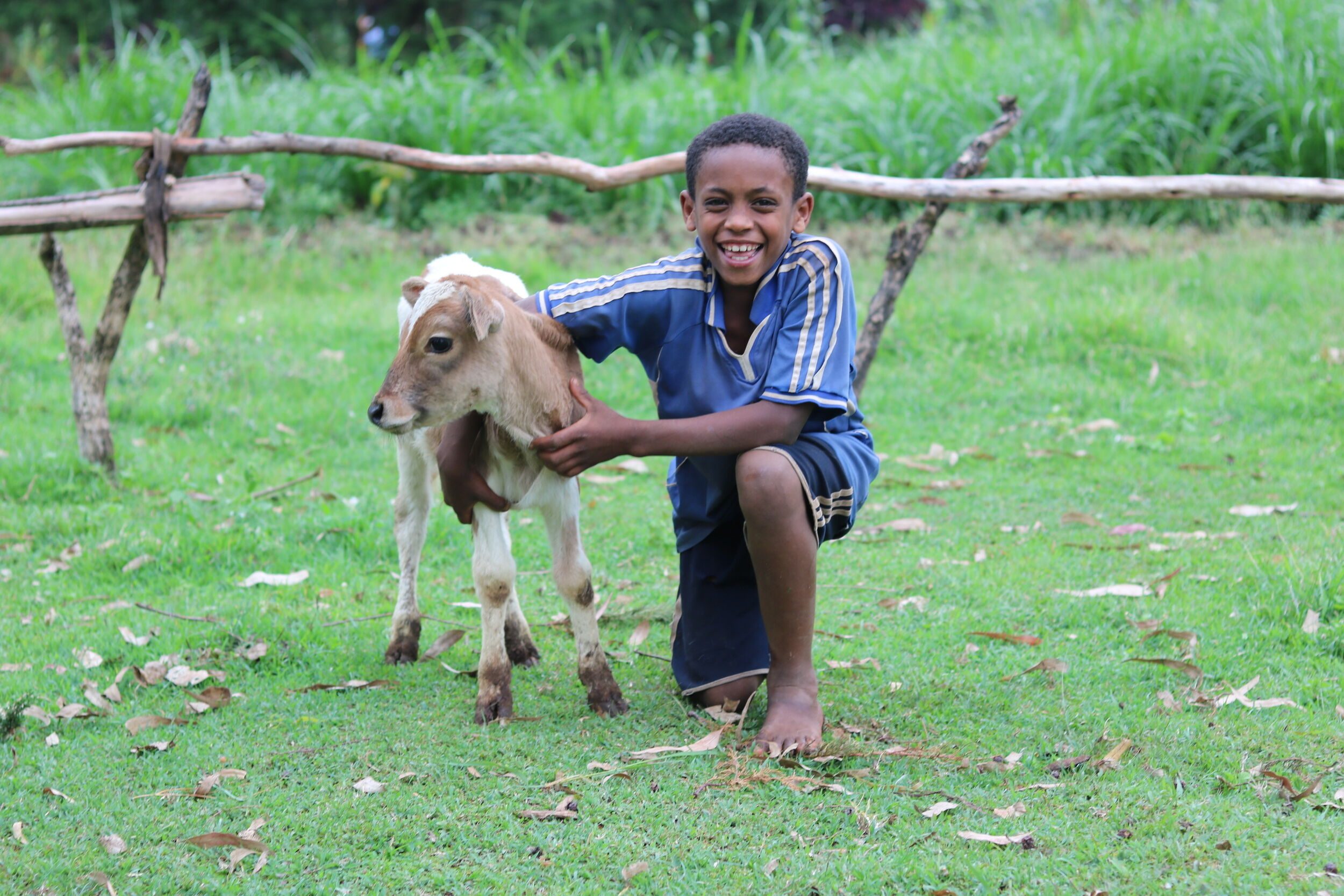
https://d1l97138avwug7.cloudfront.net/Tarikuwa-with-her-hybrid-dairy-cow-5-Large-1.jpg
Tarikuwa, a DaNI I participant, with her hybrid cow.

When a family depends on a small piece of land, losing fertile soil can have serious consequences. Heavy rain can wash soil away, while grazing pressure and poor land management can leave areas less able to produce crops or fodder. Water can also become harder to access during dry periods. Farmers learn practical techniques to protect and improve the land they depend on, like mulching and water harvesting. Compost and other organic materials can also be used to improve soil quality and support plant growth.

Communities work together to restore land that has become degraded. Areas used for grazing are managed more carefully, while farmers establish fodder plants that provide feed for livestock without putting as much pressure on communal pasture. Protecting water sources is part of this work too. Communities can improve access to safer water and consider how local water resources are managed. The aim is to make farmland more productive while keeping the natural resources that farming depends on in better condition for the years ahead.

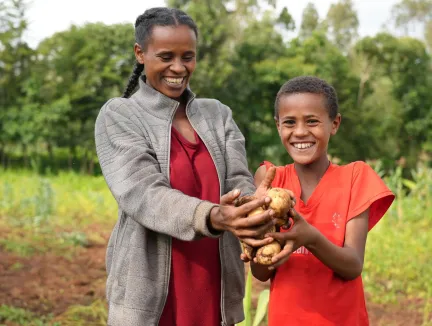
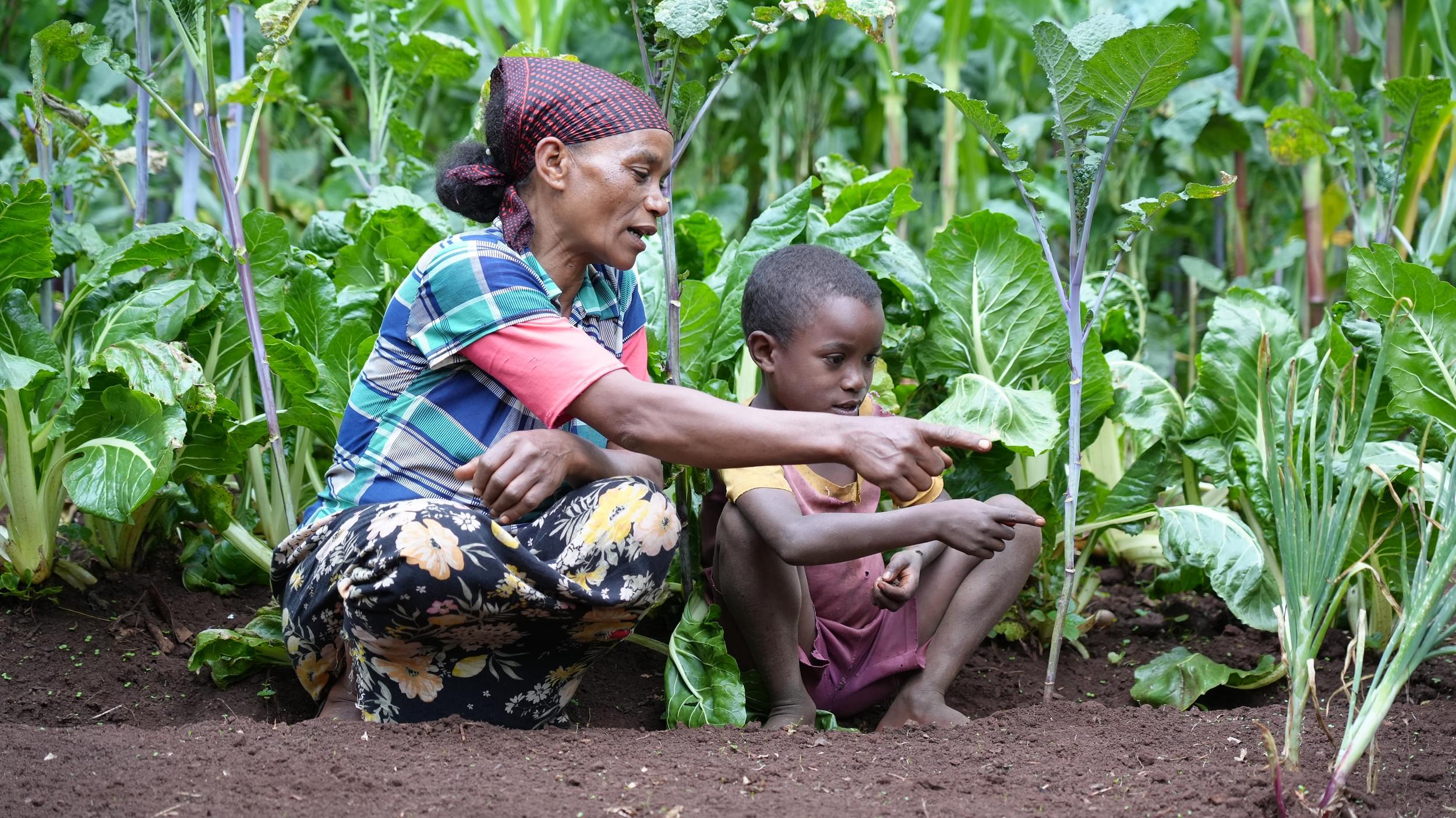
https://d1l97138avwug7.cloudfront.net/Almaz-with-Mesay-7-5-Large.jpg
Almaz, project participant, showing her grandson a crop she has grown on her regenerated land.

Milk is valuable, but selling it as soon as it comes from the cow can limit what a family earns from it. Farmers therefore look beyond simply producing more milk and explore what they can do to get greater value from what they already produce.

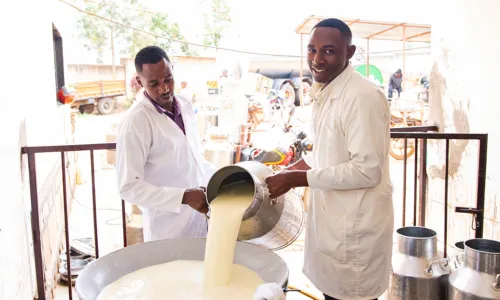
Learning about milk hygiene and safe handling helps farmers maintain quality from milking through to sale. Some also explore processing milk into products that can be sold in different ways, such as yoghurt. This creates opportunities to make use of milk that might otherwise have limited value and respond to what local customers want.

There is also a strong focus on the business side of dairy farming. Farmers learn about record keeping and financial planning, which help to strengthen their commercial and administrative knowledge of running a business. Working through groups gives farmers more opportunity to share information and approach markets collectively for better price negotiations and access to better infrastructures. For households that have traditionally produced mainly for their own consumption, these skills can open up a different way of thinking about dairy farming.

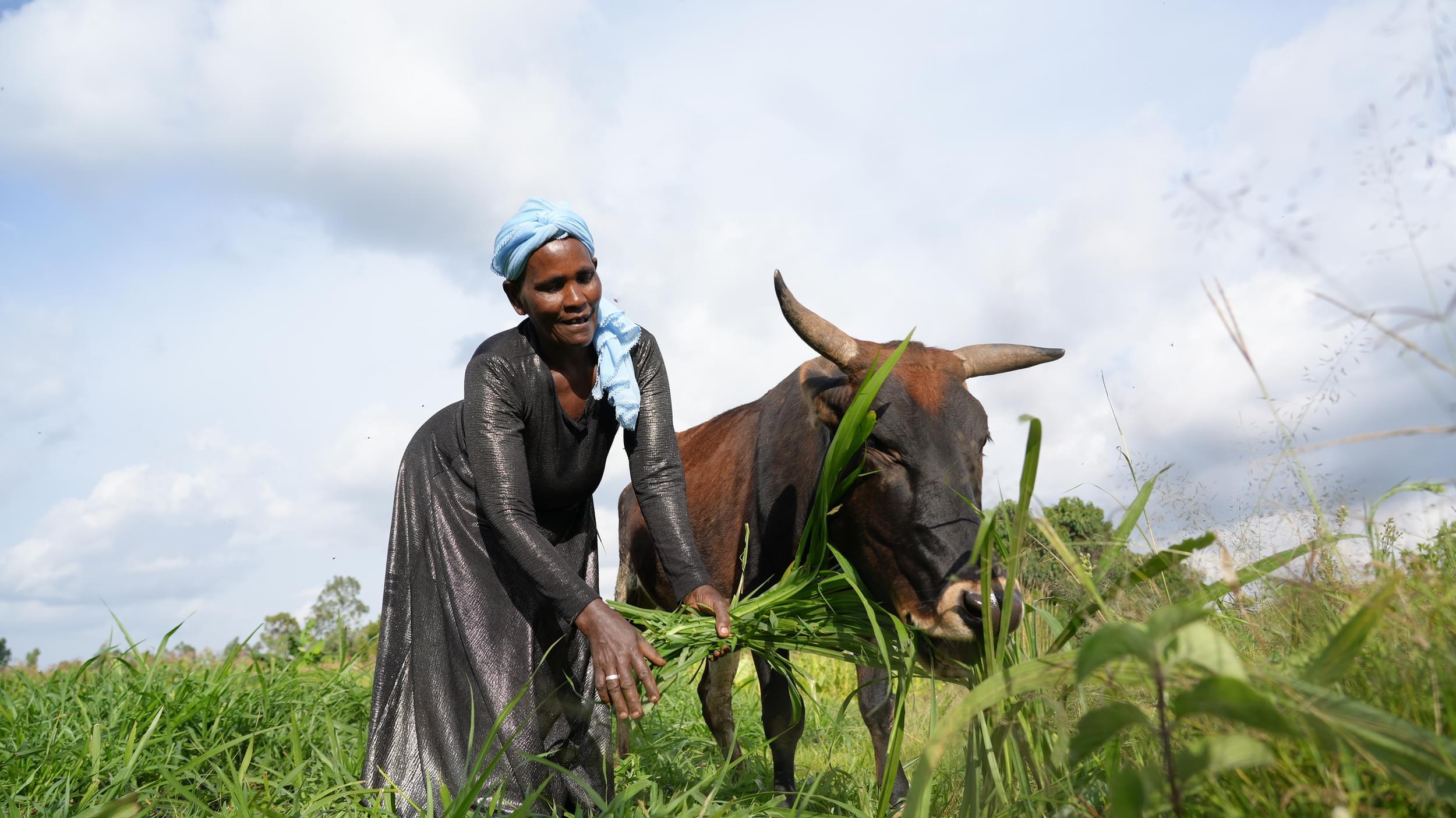
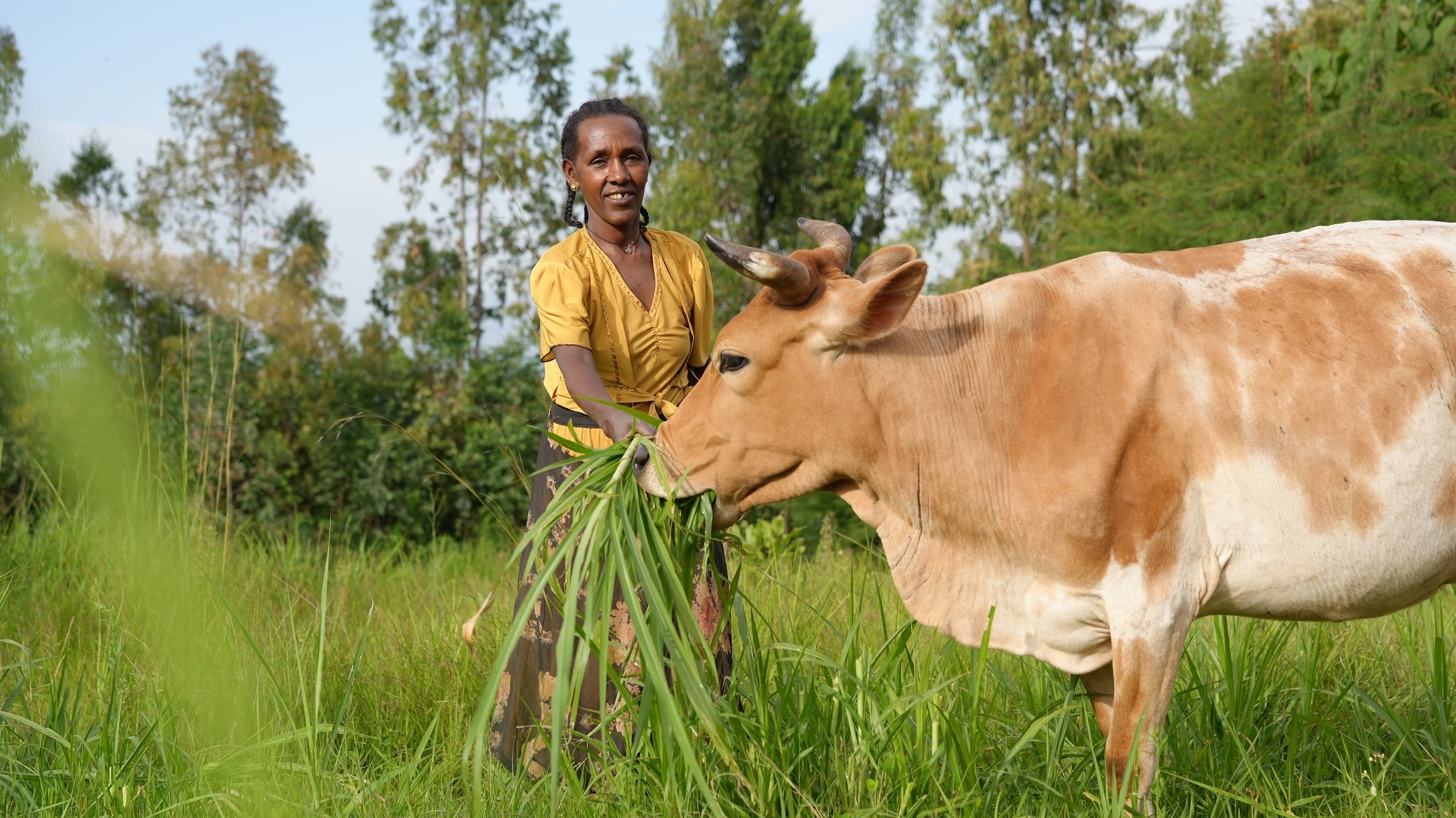
https://d1l97138avwug7.cloudfront.net/Zenebech-and-her-hybrid-local-Jersey-cow-3-Large.jpg
Zenebech, project participant, with her hybrid Jersey cow.

For many families, having enough food does not necessarily mean having a varied diet. When households depend heavily on a few staple crops, a poor harvest can make an already limited choice of food even narrower.

Growing a wider range of crops gives families more options. Farmers learn how to produce vegetables alongside their other crops and make better use of the space and resources available to them. They can also explore how to plan food production around the seasons, so that different foods are available at different times of the year.

Milk and other dairy products can contribute valuable nutrients to the family diet, while surplus production can be sold to generate income. Families can consider how much of what they produce is used at home and how much can be sold. Nutrition discussions help connect these decisions with what people eat. Rather than treating food production and nutrition as separate issues, the project encourages families to think about how their farms can provide a more varied diet.

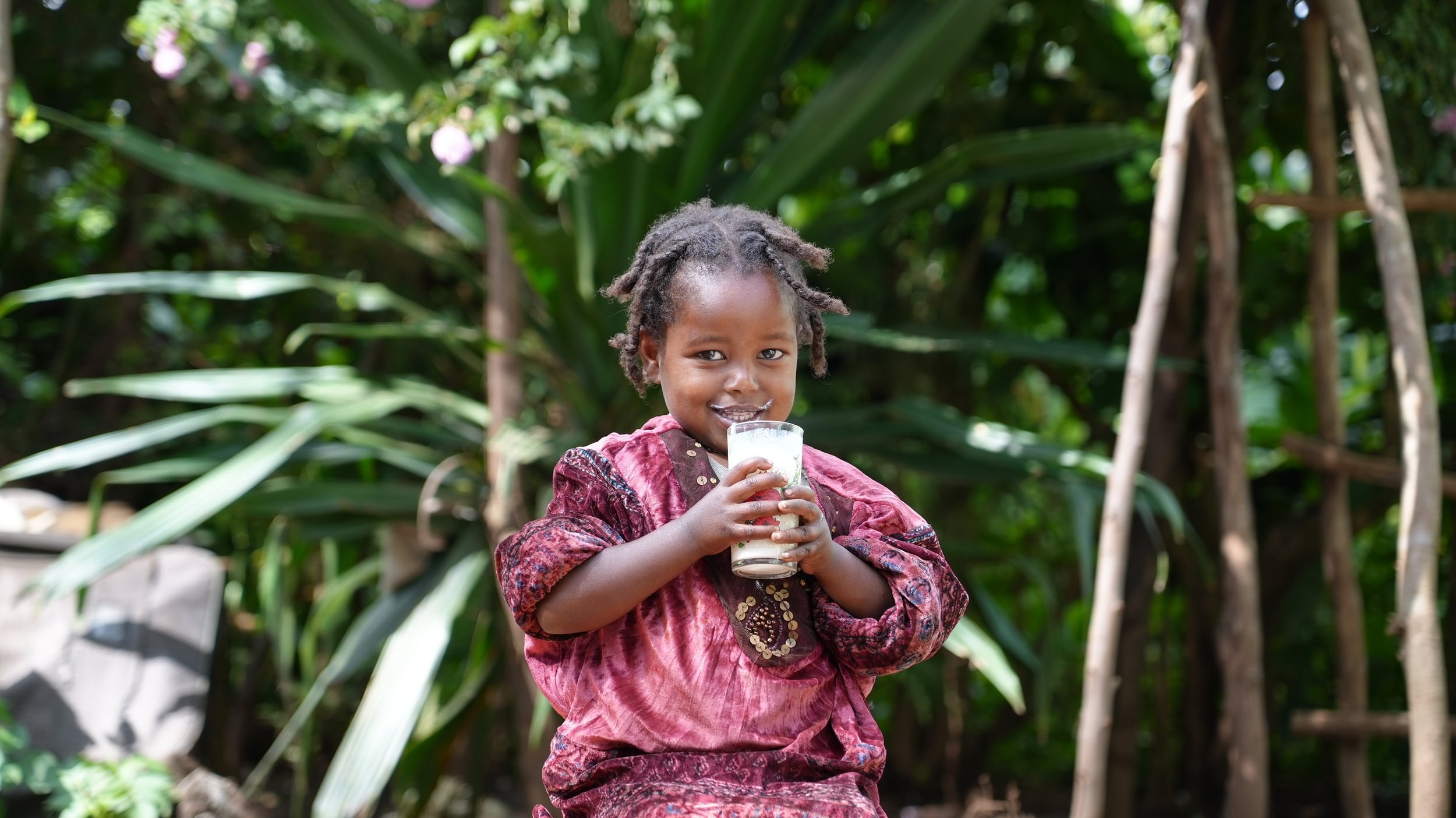
https://d1l97138avwug7.cloudfront.net/Zenebech-supports-her-friend-Meselech-and-her-daughter-Firehiwot-whos-4-drinking-milk-5-Large-1_2026-09-22-090728_ajnb.jpg
Young child from the project, drinking milk and benefiting from the extra nutrients.

Women do much of the work involved in dairy farming, yet the income and decisions that come from that work are not always shared equally. Changing this means looking beyond women’s participation in project activities and creating more space for them to influence what happens with household resources.

Self-help groups give women a place to save money together and build confidence in managing their finances. Members can access group savings when they need to invest in an income-generating activity or deal with an unexpected expense. The groups also provide opportunities for women to take on leadership roles and support one another.

Conversations about gender help families look at how decisions are made at home. Women and men can discuss who controls income, who takes responsibility for different tasks and how decisions about farming and spending are reached. These discussions can challenge assumptions about whose voice matters when money or productive resources are involved.

People with disabilities are included too, with attention to the barriers that can prevent some community members from taking part. The focus is on creating more opportunities for women to shape decisions about their own economic lives and the farming activities that support their families.

https://d1l97138avwug7.cloudfront.net/Sofanit-Mesfin-Large.jpg
“Women are already contributing so much to their families’ farms and businesses, but that contribution is not always recognised. When women have greater control over income and a stronger voice in household decisions, they can shape what happens next for their families. That is the change we want to see.” - Sofanit Mesfin, Gender & Social Inclusion Coordinator
“It’s hard to change. For some people, it might take 20 to 30 years. I’ve done all this in six years and our life couldn’t be more different today. We were so afraid of dying poor. Now we will leave behind a good history.”

- Milkiyas, DaNI I project participant

Achievements so far

Year 2 progress

0%

of households are generating income from dairy-related businesses (up from 23% at start)

0%

of households are classified as food secure (as per HFIAS), up from 26% at project start

0%

of households are consuming more than six diversified food groups (up from 14% at start)

Funding partner

Jersey Overseas Aid (JOA)

Jersey Overseas Aid (JOA) is Jersey Island’s official aid agency, funded by the Government of Jersey. Since its establishment in 1968, JOA has worked to alleviate the suffering of those afflicted by poverty, conflict, disease and natural disasters.

How you can get involved

Thank you to all supporters, partners, and staff who make this and other projects possible. Change starts with your support.

You can learn more about our work in this area, or take action and support our mission.

Make a donation

Donate

Make a donation

Donate

Partner with us

Explore partnerships

Partner with us

Explore partnerships

Learn about our impact

View our impact

Learn about our impact

View our impact
Sign up to hear more

Want to hear good news stories from Africa, get involved in fantastic fundraising and be part of exciting events? Fill out your details below and we will keep you updated by email.

Name *

* Required information.

By providing your email address above, you are confirming that you are happy for Ripple Effect to contact you by email. We will use your email to let you know about news, events, fundraising and appeals. We will never sell or trade your details. Read more about how we value your privacy. You can unsubscribe at any time by emailing info@rippleeffect.org or by clicking the unsubscribe link in any email we send.

Are you in the right place?

If you are in the US you might be interested in the US site, if so please click the link below.