

How inclusive dairy systems can strengthen livelihoods in Ethiopia
Approx. 5 min read
By Melesse Berhanu, Ethiopia Country Director, and Betel Gezahegn, Content Executive at Ripple Effect
On 24-25 March in Wolaita and 31 March in Addis Ababa, Ripple Effect Ethiopia convened partners for workshops on Addressing Systemic Barriers in the Dairy Sector: Scaling Inclusive Dairy Development in Ethiopia.
Dairy farming offers significant opportunities for rural farmers across Ethiopia. However, women continue to face barriers to full participation, and our aim is to help ensure the sector becomes an equal opportunity for all.
The workshops provided a platform to reflect on what is working, identify persistent challenges, and explore how inclusive approaches can be scaled. Here, we share key insights from the discussions, alongside stories from communities already driving change.
When change doesn’t reach everyone
Across Ethiopia, strong plans are already in place to support dairy development, providing a solid foundation for further progress.
However, one message came through clearly during recent workshops in Wolaita and Addis Ababa.
Progress is being made, but not everyone is benefiting equally.
KEY INSIGHT
Listening to what’s really happening
In March 2026, we brought together government, partners, private sector actors, community representatives and media in Wolaita and Addis Ababa to explore what is holding back inclusive dairy development.
Participants included the Ministry of Agriculture, alongside organisations such as the Brooke Ethiopia, International Livestock Research Institute, GIZ African Union, Heifer International Ethiopia, WE-Action, HEKS International, Light for the World, Amhara Development Association, CHADET, AFRO, ASEDEPO, DORCAS, Yegna MicroFinance Institution, GOAL Ethiopia and others, reflecting a shared commitment across the sector.
We were also honoured to have Azeze Ayalew, Livestock and Fishery Development Lead Executive at the Ministry of Agriculture, join as guest of honour.
The discussions built on learning from the Dairy and Nutrition for Income (DaNI II) project, supported by partners including Jersey Overseas Aid (JOA). They focused on shared household decision-making, childcare support, assistive devices, youth enterprise, and strengthening more inclusive access to dairy livelihoods.
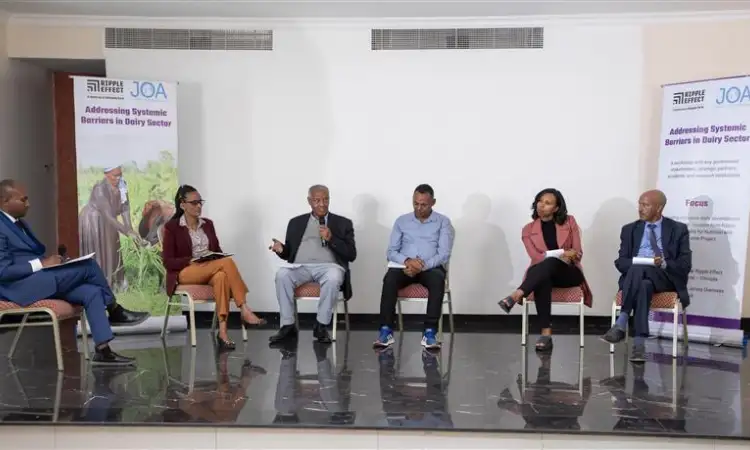
As discussions unfolded, a clearer picture began to emerge.
The challenges are not only access to resources; they are shaped by everyday realities: who makes decisions, who controls income, and who is able to participate fully.
Women and people living with disabilities are already part of the dairy sector, but they are not always able to benefit in the same way.
Hearing directly from project participants brought these realities into focus and grounded the discussions in lived experience.
Hana’s story
Hana lives in Wolaita with her husband and six children.
Before joining Ripple Effect’s programme, her family struggled to meet basic needs. They moved in search of daily work, but income was never enough. Eventually, they returned home with very little and began rebuilding their lives from a small plot of land.
Today, things look very different.
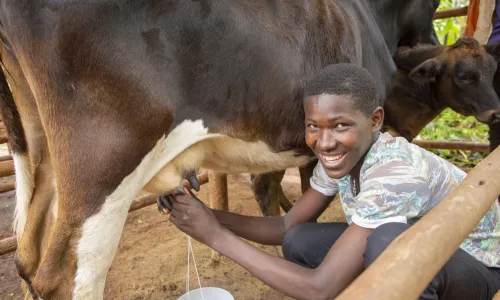
Through the DANI II project, offering training, savings and practical support, Hana and her family now grow vegetables, raise livestock, and earn income from dairy products like milk, butter, and cheese.
She shared that they are now able to send their children to school, eat more nutritious food, and plan for the future.
Her family now saves over 50,000 ETB (approximately £240) each year and has built a more secure and stable home.
What changed was not just income, but confidence, knowledge, and the ability to move forward.
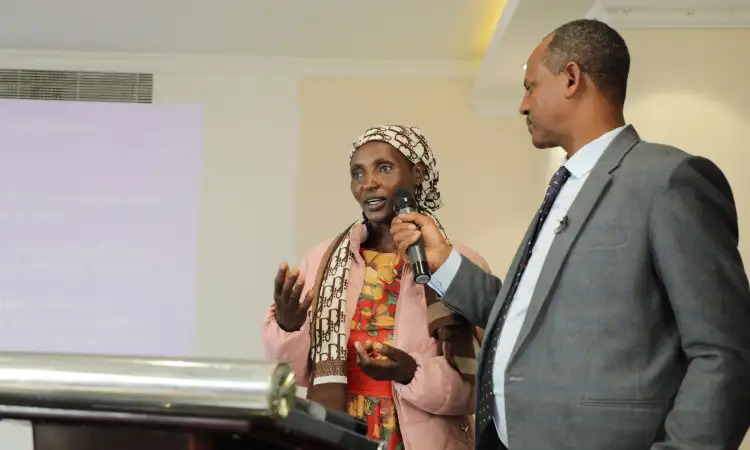
Wogete’s story
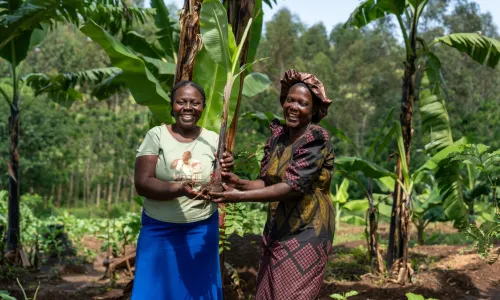
We also met Wogete, a 62-year-old farmer and grandmother from the same region.
After losing her husband, she continued working with her self-help group, taking part in training and building her confidence over time.
Today, she is a Peer Farmer Trainer, supporting others in her community.
On less than half a hectare of land, she has built a diverse and productive farm.
She grows crops, raises livestock, and uses organic practices to improve her soil. Her improved dairy cow now produces around 7 litres of milk per day, contributing to both income and nutrition.
Reflecting on her journey, she told us:
- Wogete, project participant in Ethiopia
Her story reflects what we heard across the workshops. With the right support, people are not only improving their own lives, but also supporting others around them.
Turning learning into action
The workshops did not just focus on challenges. They focused on what needs to change.
Together, participants identified practical ways to make the dairy sector more inclusive.
Five ways to strengthen inclusive dairy systems
- Bringing services closer to communities
- Making improved breeds and technologies accessible
- Supporting small-scale forage production
- Designing milk collection centres that work for everyone
- Strengthening savings groups for women and people with disabilities
These are practical approaches that build on what communities are already doing, but help them go further.
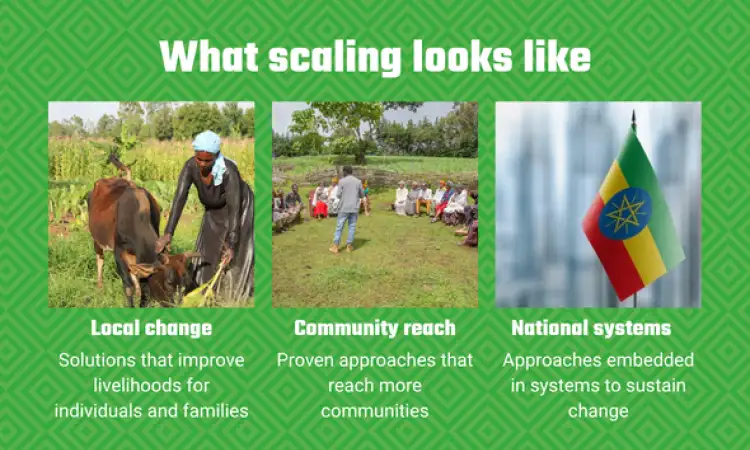
From local change to wider impact
One of the clearest messages from the workshops was this:
Solutions already exist.
The focus now is on scaling them - reaching more communities and embedding these approaches within national systems like YeLemat Tirufat, a government initiative focused on strengthening household food security and agricultural productivity.
Shared direction forward
As we reflected on these discussions, one thing became clear:
Creating an inclusive dairy sector is not a single solution. It requires coordinated action across government, partners, communities, and markets.
It also requires a shift in how systems are designed so that they work for everyone.
- Melesse Berhanu, Country Director, Ripple Effect Ethiopia
Be part of what comes next
Stories like Hana’s and Wogete’s show what is possible when support reaches communities in the right way.
If you’d like to be part of this, you can learn more about the work behind it or support farming families as they continue building more secure and resilient livelihoods.
Want to hear good news stories from Africa, get involved in fantastic fundraising and be part of exciting events? Fill out your details below and we will keep you updated by email.