

Knowledge that keeps growing: Jeanne’s story, one year on
Approx. 7 min read time
By Anna Borsboom, Digital Marketing Manager
One year after featuring Jeanne and her family in our 2025 Summer Appeal, we returned to Rwanda to find out how they have been getting on. From a kitchen garden providing nutritious food to a pig that has grown in value, Jeanne is putting her Restore training into practice and sharing what she has learned with others.
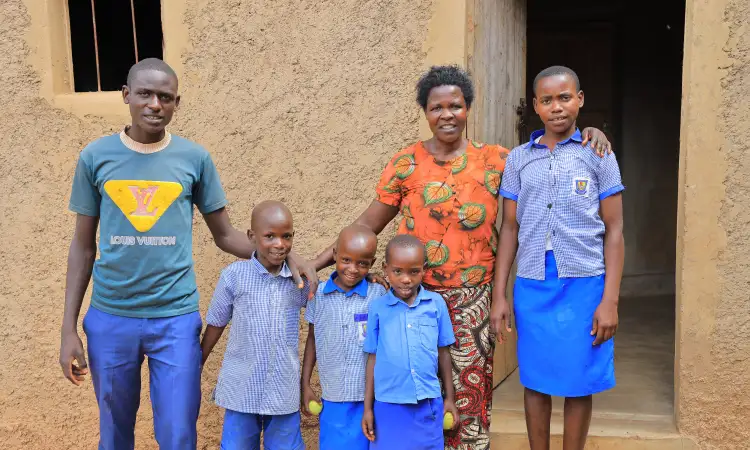
You may remember Jeanne from our 2025 Summer Restore Appeal. A single mother of five living in rural Rwanda, Jeanne was working hard to provide for her family while facing challenges including unpredictable weather and poor soil, which were limiting her ability to put nutritious meals on the table.
She shared plenty of good news when we met her recently, a year later. Jeanne has learned new farming and livestock-rearing techniques and created a productive kitchen garden that increases her household’s access to nutritious food. She has also started earning an income from the vegetables she grows and has shared her new skills with other people in her community.
But her story is not one of everything suddenly becoming easy. Extreme heat and water shortages continue to affect her crops. Instead, it is a story of how Jeanne and her family are constantly adapting, and building a better future with new skills and hard work.
From buying vegetables to growing her own
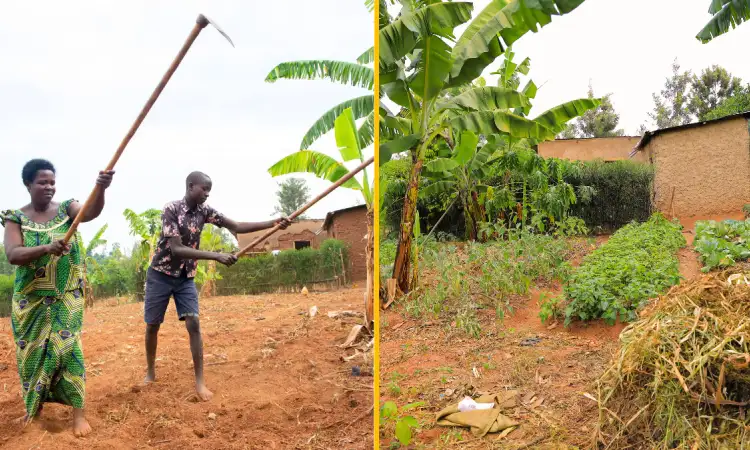
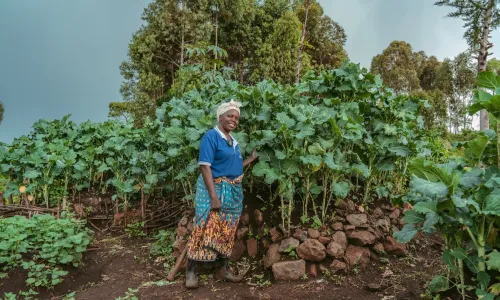
One of the biggest changes Jeanne has made is establishing a kitchen garden at home.
Before joining the Restore project, Jeanne bought vegetables from the market because she did not believe they could be grown successfully at home. Through Restore, she learned how to create a double-dug garden bed and grow a range of vegetables for her family.
“Previously, I used to buy vegetables because I thought vegetables could only be grown in the lowlands, not at home.” she explains. “I later realised that a kitchen garden brought positive changes to my family.”
Today, Jeanne can harvest vegetables directly from her garden to prepare meals for her children. During the rainy season, when her crops are more productive, she can also sell some of her surplus at the market.
Recently, she sold vegetables for 10,000 Rwandan francs, followed by sales of 2,000 and 3,000 francs. She estimates she has earned a further 6,000 francs from green vegetables, while other crops are still growing (about £10 GBP total). It may sound like small amounts, but for Jeanne, being able to grow food at home and earn an income from surplus produce makes a real difference.
And growing a successful crop is only part of the process. Jeanne has also learned how to handle and store her produce after harvest, helping to prevent food from being wasted or damaged before it reaches the market. She has been taught to sort vegetables by size and quality, and to transport them carefully so they arrive in good condition.
“Proper sorting and careful handling help ensure better quality and allow us to sell our produce at a fair price” she says.
These are skills Jeanne is still putting into practice, but they are helping her think about the whole farming process, from preparing the soil and selecting seeds to harvesting, storing and selling her produce.
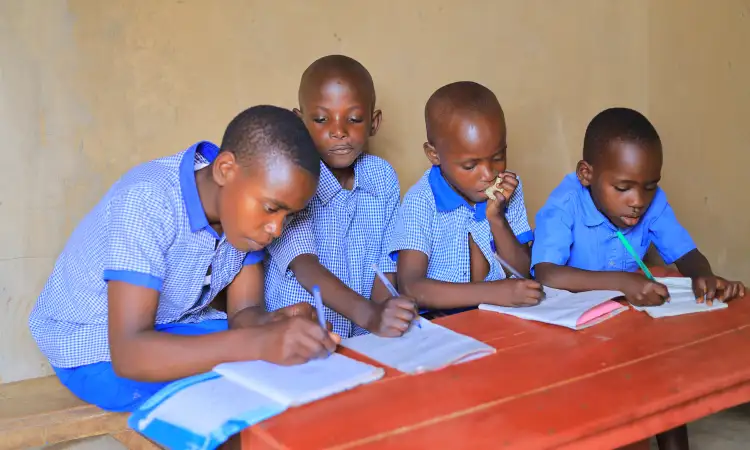
Her son Japhet has seen the benefits too. He explains that he previously sometimes had to miss school to find work to earn money for notebooks. Now, he can help harvest vegetables from the family garden and sell them at market to help pay for his school supplies, without having to take extra time off school.
He says: “When it is market day, I can harvest vegetables from our garden, sell them at the market, and easily get the money I need to buy my notebooks”.
Making the most of every resource
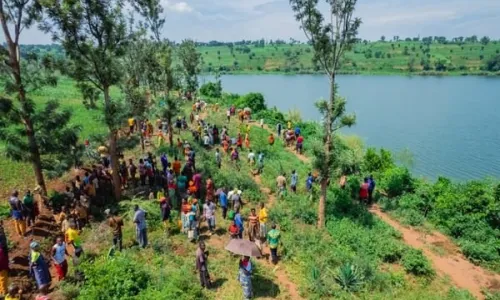
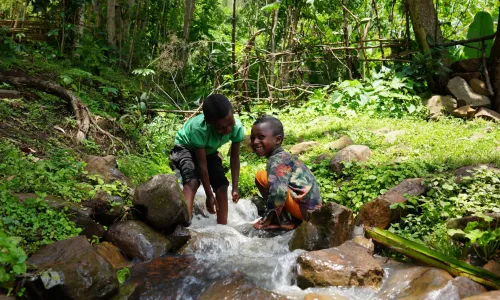
Jeanne's garden also shows how she is adapting what she has learned to the challenges she faces. During the dry season, water is scarce. Cyohoha Lake is some distance from her home, making it difficult to collect enough water for her crops. Jeanne and her children help each other to keep the garden watered.
She also reuses water from washing dishes to irrigate her vegetables, turning water that might previously have been wasted into something that can help keep food growing.
“When we water the vegetables, the water is often not enough, so they still dry out” says Beata, a neighbour Jeanne has trained. “Cyohoha Lake is far from here, and water from the tap is not always available.”
The intense heat remains another challenge. Jeanne says the strong sunlight can damage crops and reduce her harvests, meaning she cannot yet produce as much surplus for the market as she would like.
But she continues to apply the farming practices she has learned, including preparing land properly, applying organic fertiliser, selecting quality seeds and planting crops in rows.
“If it were not for the harsh sun, our production would be much better” she says.
A pig that is becoming more valuable
Jeanne has also put her Restore training into practice when caring for her livestock.
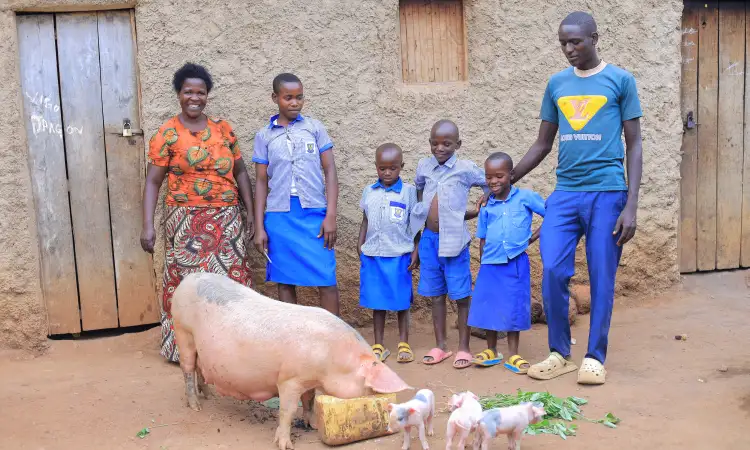
The project provided her with a pig, and she has carefully looked after it, keeping its shelter clean, feeding it properly, monitoring its health and calling a veterinarian when it becomes sick. She also made sure it was inseminated at the right time.
Her efforts have paid off. The pig has now given birth to four healthy piglets and has grown considerably.
The manure it produces is also valuable to Jeanne, providing organic fertiliser that she can use to improve soil fertility and support her kitchen garden.
Before receiving livestock-rearing training, Jeanne says she did not know how to care for animals effectively. She also had little knowledge of how to assess their value.
“An animal could only be sold for about 40,000 to 50,000 Rwandan francs” she explains. “However, after receiving training from the Restore Project, I learned how to properly care for my livestock. As a result, the value of my animal has increased significantly; this one can be sold for more than 200,000 Rwandan francs.”
She has even learned how to estimate the weight of a pig, helping her negotiate a fairer price rather than relying on guesswork when selling her livestock.
From learner to teacher
Perhaps one of the most powerful signs of Jeanne's progress is what she is now doing with the skills she has gained. Jeanne has become a facilitator in her community, sharing what she has learned with others.
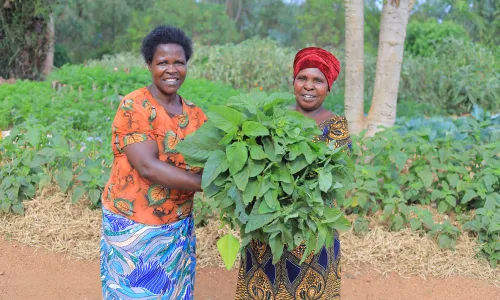
One of the people she has trained is her neighbour, Beata. Before meeting Jeanne, Beata bought vegetables from the market. Now she grows her own eggplants, cabbages and carrots.
“Jeanne is the one who taught me about this” Beata says. “She came and encouraged me to grow vegetables instead of buying them.”
The change has meant that Beata can spend money she previously used to buy vegetables on water to irrigate her own garden instead.
Beata has also been able to sell some of her produce locally. Even though the hot sun damaged some of her eggplants, she was still able to harvest and sell what remained.
For Jeanne, sharing what she has learned and grown is important.
“This is very important because I cannot grow vegetables and eat them alone without sharing with my neighbours or others who may need them. There are about five people with whom I have shared my produce. Even when their crops did not grow well, some people would come and tell me that they had children who needed them, and when I had some available, I would share with them. When I had more fruits seedlings than I could plant, I gave them to about seven people” she explains.
More food and better nutrition
The changes on Jeanne's farm have also affected what her family eats. Before the project, Jeanne says her family often ate cassava bread because they did not know how to improve the nutritional value of their meals. Training in nutrition and kitchen gardening has helped her introduce more vegetables and understand how to prepare more balanced meals.
“I now understand the importance of including immune-boosting foods” she says. “Because of this knowledge, I believe my family does not fall sick easily. My children are healthy, and all is well.”
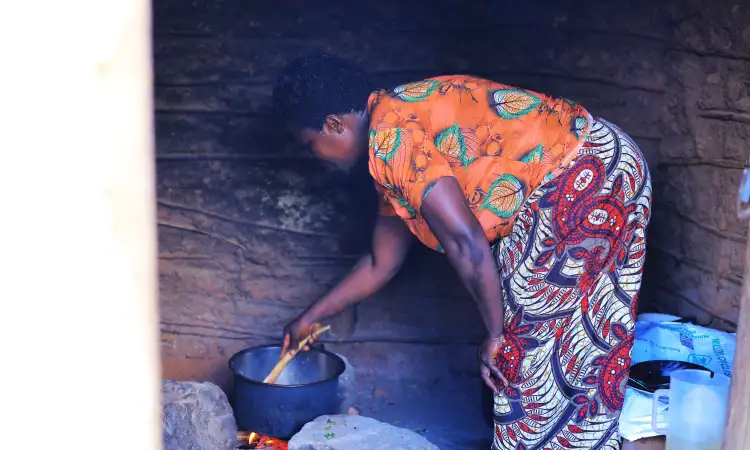
There are still difficult periods. During the dry season, Jeanne says her family may eat only once a day because crops are affected by the heat and water is difficult to access.
“I do not yet eat as I would like, but at least we no longer sleep on an empty stomach” she says.
That honesty is an important part of Jeanne's story. Restore has not removed every challenge she faces, but it has given her new ways to respond to them and the confidence to keep trying.
Protecting the land around Cyohoha Lake
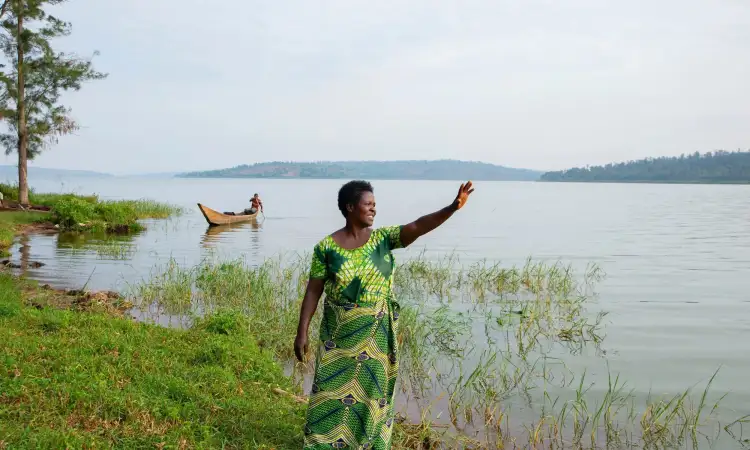
Jeanne's story is also connected to changes happening in the wider environment. Before Restore, heavy rainfall caused floodwater to carry soil and waste towards Cyohoha Lake. This contributed to soil erosion and affected the quality of the water that communities relied on.
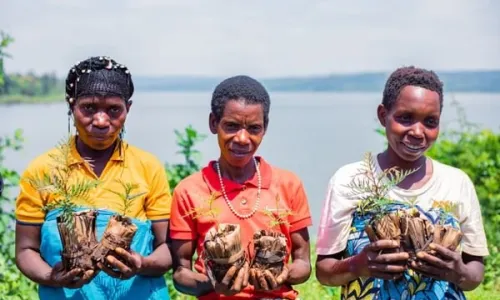
Through Restore, farmers have learned ways to manage runoff, including constructing ditches and planting trees to help prevent soil erosion.
Jeanne says the difference is visible.
“Cyohoha Lake no longer has a bad smell, and the water is much cleaner thanks to the Restore Project.”
The trees planted through the project have now matured, and Jeanne and other community members are looking forward to their future benefits.
Looking ahead
A year on from the Summer Appeal, Jeanne is still looking forward. She wants to continue learning and develop her farming and livestock-rearing skills. Eventually, she plans to have enough capital to start her own project.
But most of all, she wants a brighter future for her children. Her son Japhet is already seeing farming differently. He helps his mother in the garden before school and fetches water during the dry season. Jeanne hopes that her children will continue their education, and that one of them may even study agriculture.
“When a child goes to school, it becomes easier to communicate with them, and they become literate” she says. “I hope my child will study agriculture because it is what has supported our family, alongside livestock rearing, as they have seen me practise at home.”
Looking back on the past year, Jeanne says the training has given her confidence and hope.
“The training opened my mind, and I am now more confident and knowledgeable” she says. “What I have acquired gives me hope that my future will be bright and successful.”
And that hope is already being put into action in Jeanne's garden, in the care of her livestock, in the food her family eats, and in the knowledge she is passing on to the people around her.
Thank you to everyone who supported our 2025 Summer Restore Appeal and helped make the Restore project possible.
How you can support this work
Your support is what makes this possible, and empowers people like Jeanne across rural East Africa.
Whether it’s sharing our mission, making a donation, or exploring partnership opportunities, every action contributes to stronger livelihoods and more resilient communities.
Want to hear good news stories from Africa, get involved in fantastic fundraising and be part of exciting events? Fill out your details below and we will keep you updated by email.