

Integrating the One Health approach into our work
What is One Health?
One Health is an integrated approach that recognises the close connection between human health, animal health and environmental health. Each depends on the others and when one is weakened, the whole system is affected.
For rural farming families across Africa, health is shaped by more than access to healthcare alone. It depends on fertile soil, reliable harvests, nutritious diets, healthy livestock, clean water and stable incomes. When land is degraded, when animals become sick, or when diets lack diversity, families feel the impact quickly.
Without sustainable land management, good animal care and safe hygiene practices, disease, malnutrition and environmental decline can take hold. Without knowledge of climate-smart agriculture, livestock management and income diversification, communities can become trapped in cycles of poverty.
Our work brings these interconnected elements together to build stronger, healthier systems for farming families across rural Africa.
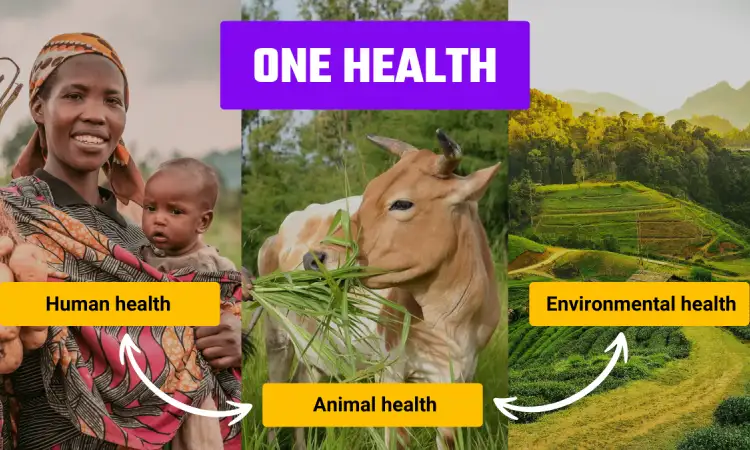
“In rural communities, you can’t separate the health of people from the health of their animals or their land. They are completely interconnected. When we strengthen one, we strengthen them all. That’s what creates lasting change.”
- Meshark Sikuku, Farm Systems and Sustainability Coordinator at Ripple Effect
Why One Health matters in rural Africa
Across rural Africa, many of the communities we work with rely on rain-fed agriculture, cultivating small plots of land alongside keeping livestock.
The challenges they face are deeply interconnected:
- Climate shocks devastate crops, reducing yields.
- Lower yields mean less food for families.
- Less food leads to malnutrition and limited surplus to sell for income.
- Limited income restricts access to proper livestock care.
- Poor animal health reduces production of milk, eggs and manure, weakening nutrition and soil fertility. Additionally, animal diseases (zoonotic diseases) such as Anthrax, Brucellosis, Rabies and more can also affect people, leading to serious livelihood disruption and fatalities.
- To compensate for low animal production, farmers turn to chemical fertilisers and monocropping to boost yields and income.
- Over time, land becomes depleted and less productive, increasing vulnerability to future climate shocks.
And the cycle continues, affecting families, animals and ecosystems alike. Addressing only one of these challenges is not enough. One Health enables us to strengthen the whole system.
How we put One Health into practice
Strengthening animal health
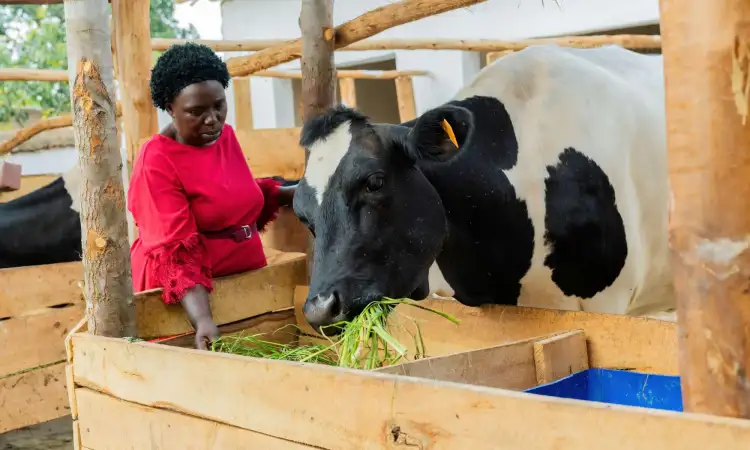
Animal health is vital not only for animal welfare, but for farmer livelihoods and household health and nutrition. Healthy livestock require less costly treatments and disease outbreaks are minimised. This in turn reduces the health risks to families. Additionally, they produce more manure and nutritious foods such as eggs and milk, which families also sell to generate income.
We train farmers in better livestock management practices such as improved housing solutions, disease prevention and vaccination, safe breeding practices and biosecurity measures. We also train and equip community animal health service providers to support animal health services to households and strengthen the linkage with government veterinary departments.
Fewer animal treatments also mean less use of antibiotics that have been known to be a major cause of Anti-Microbial Resistance (AMR), an emerging global health risk to many populations.
By improving animal health, families reduce zoonotic infections, increase productivity, income and food security.
Improving human health and nutrition
Many families rely entirely on rain-fed agriculture to feed their households and earn an income. Their land is their livelihood. Yet increasingly unpredictable weather patterns caused by climate change threaten harvests and household stability.
Through agroecological practices, we support families to diversify crops, improve soil fertility and increase access and consumption of nutritious food. Diverse diets strengthen health and resilience.
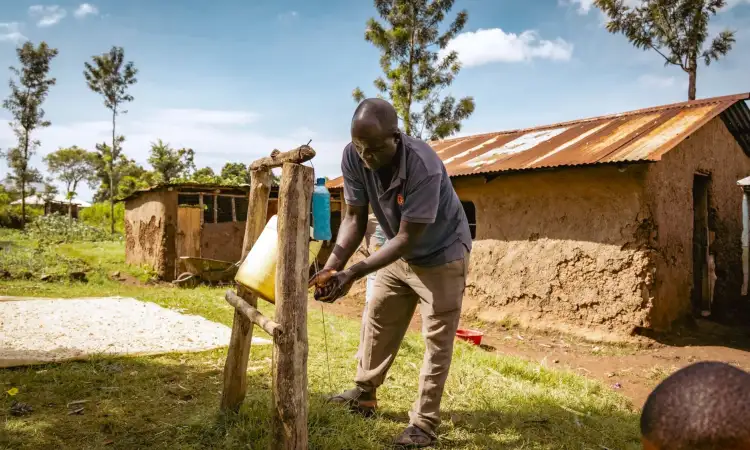
We also promote improved hygiene and sanitation practices to reduce preventable and communicable illness, and work very closely with public health government departments to equip community health promoters with tools and skills to scale preventive healthcare.
Alongside this, our enterprise development training equips farmers to move beyond subsistence farming and build sustainable agricultural businesses. The income they generate is reinvested into their farms, healthcare and children’s education, strengthening long-term wellbeing.
Restoring and protecting the environment
Environmental health underpins both human and animal wellbeing. That is why our agricultural training focuses on sustainable, climate-smart solutions that regenerate soil and restore ecosystems.
Many farmers we target and work with have exhausted soils due to unsustainable farming practices such as prolonged use of agrochemicals, synthetic fertilisers and monocropping (often maize or cash crops such as tobacco and coffee) practices often promoted as the most profitable market options. Over time, land becomes degraded, yields decline, and families spend much of their income buying additional food.
Degraded and contaminated environments not only become breeding grounds of diseases, but also become disease transmission pathways.
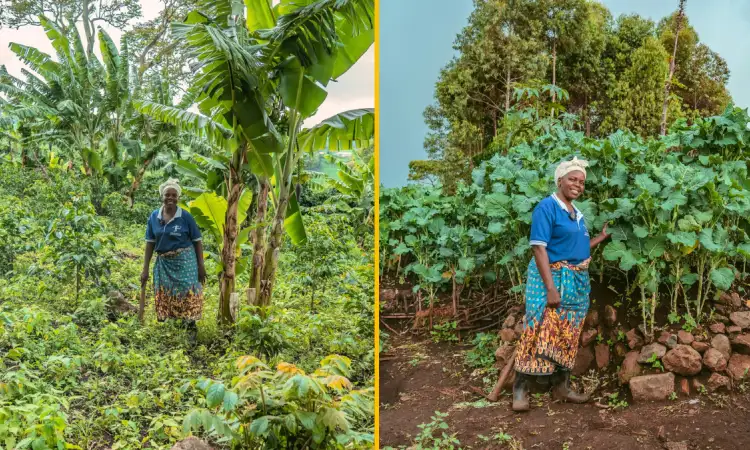
We train farmers in biodiverse and regenerative farming that rebuilds soil health and increase resilience.
This includes training in:
- Soil regeneration through various practices such as composting and mulching
- Agroforestry and tree growing to protect soil and diversify crops
- Water harvesting systems such as rainwater collection tanks
- Climate-resilient farming practices
As a result, soil becomes more fertile and ecosystems recover. Farms become more resilient to drought and flooding while also storing carbon and contributing to climate mitigation, and both farmers and animals live in cleaner, healthier and disease-free environments.
How you can support our One Health work
You may also be interested in...


Want to hear good news stories from Africa, get involved in fantastic fundraising and be part of exciting events? Fill out your details below and we will keep you updated by email.