

Charles Dowding's no-dig technique
An interview with Charles Dowding
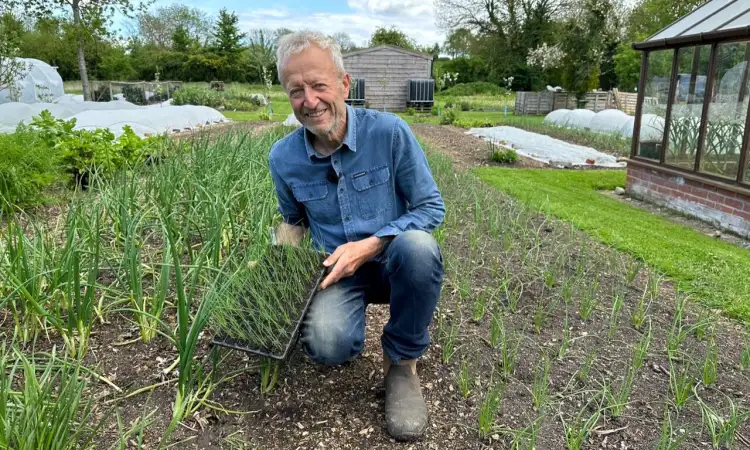
We love spending time outside – and we know you do too. We spoke with gardener and Ripple Effect supporter Charles Dowding about his No Dig approach to gardening and how it can be a great time-efficient way to grow vegetables.
Charles is one of the UK's best-known gardeners and has spent more than 40 years championing the No Dig method. By adding compost to the surface of the soil rather than digging it in, No Dig gardening helps protect soil structure, retain moisture and encourage healthy soil life.
Many of the same principles are used by farming families supported through Ripple Effect's work in rural Africa. Healthy soil is the foundation of productive growing, helping families grow more food, improve harvests and build resilience to changing weather conditions.
Read our interview with Charles to discover his top tips for growing more with less effort and why healthy soil matters wherever you garden.
What is No Dig?
“Be calm outside, work with nature, reap the rewards. No Dig is about doing less and saving time. Leave the soil undisturbed, feed at the surface with organic matter, just as nature does. Spend less time weeding. Like all organisms that are alive, soil is happier when not disturbed and damaged. It does not then need to recover, a process which involves growth of weeds! This method gives superb and timesaving results in both small and large gardens.”
What are the benefits of No Dig gardening?
“My dig / No Dig experiments on the farm are now in the fifteenth consecutive year. The harvest results illustrate how most vegetables grow more strongly and healthily on No Dig beds.
Fewer weeds germinate in undisturbed soil with compost mulches on the surface, which make it easy to pull weeds or to run a hoe lightly through the surface. No Dig soil means a better balance of well-fed soil organisms, including slug-eating beetles, helping to protect your plantings from slugs.”
What are your top tips for beginners?
“If you are new to gardening, your best option is to start small with just one bed, say 1.2 x 2.4m, filled with around 6 inches of compost. It can simply be on top of some unused grass, with the grass and weeds left in place, compost on top is sufficient to smother them, with no digging needed.
If you cannot source that amount of compost, lay cardboard on top of any weeds, then 2-3 inches compost on top of the cardboard. In both cases, you can sow and plant into the compost, even while weeds are dying underneath.
- A smaller area means you can concentrate your time and resources, and it makes management easier too.
- Sow in season. Each vegetable has a best time when it crops most healthily and abundantly.
- Invest in some basic crop protection, such as a piece of mesh to keep insects from eating your vegetables.”
When's the best time for sowing?
"Although you can sow vegetables at any time, each vegetable has a best time for sowing. By taking advantage of these key times, you can expect better results, less pests and disease, and much higher yields.
When sowing, seeds require more warmth to germinate. For best results, I recommend sowing ‘undercover’, such as on a windowsill or in a greenhouse, where it is warmer. The recommendations below come from 38 years of trial and error in my gardens. For more detailed information on how to get the most from your garden, head to my website. Happy Gardening!"
Want to hear good news stories from Africa, get involved in fantastic fundraising and be part of exciting events? Fill out your details below and we will keep you updated by email.