

Sustainable techniques to try in your garden
A fantastic way to get involved and feel connected to our mission and the people we work with in rural Africa is to try out the sustainable farming methods we use in our programmes. These are great techniques that will allow you to grow produce from your own garden, using easy to find materials, without the need for chemicals.
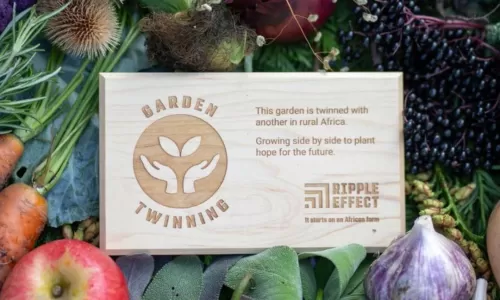
You can even go a step further by twinning your garden, showcasing a plaque to your visitors that represents your support for families in East Africa.
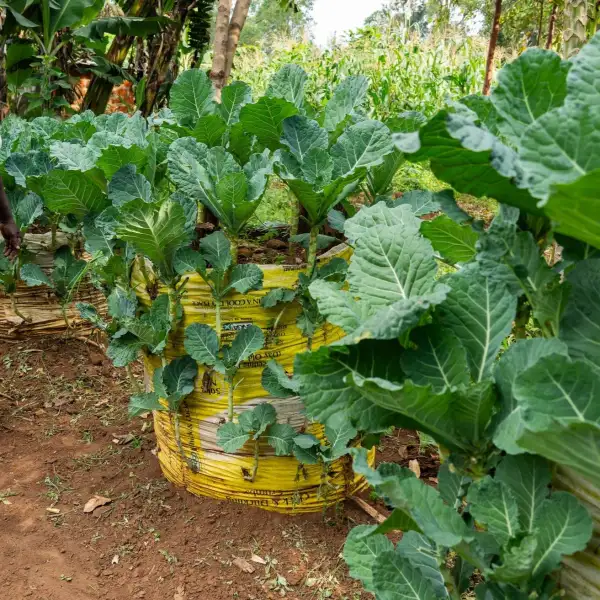
Bag gardens are ideal for farmers with limited water or space. Their clever vertical design means they can grow lots of vegetables at a time. Made from a sack filled with a mixture of compost and soil around a central column of stones, a bag garden filters water to the vegetables planted on the top and in the sides.
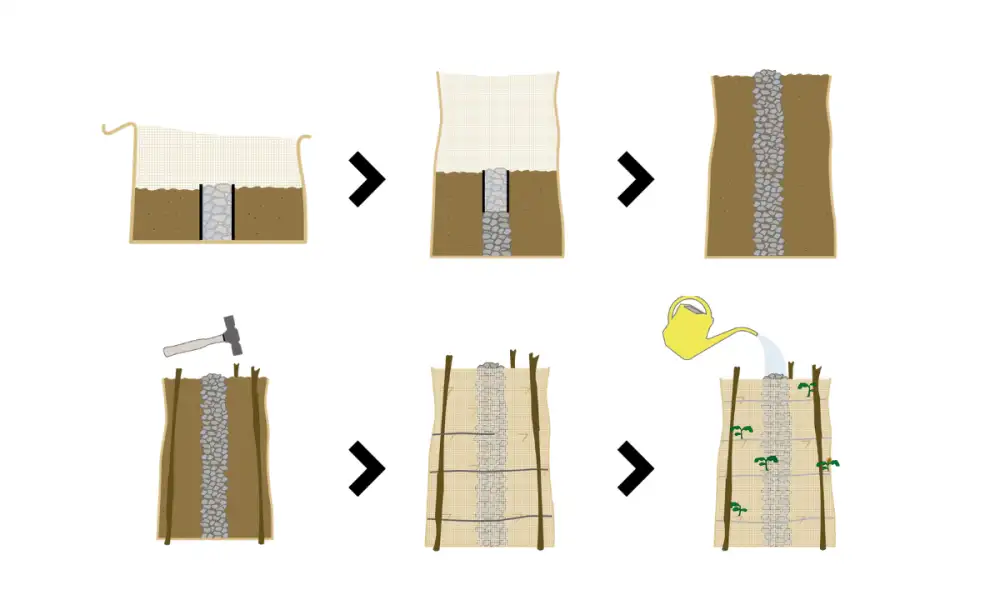
How to make a bag garden
You’ll need a large sack or plastic bag; a tube (e.g. a large drinks bottle, a tin with both ends cut off or hard cardboard tubing); stones or coarse gravel; a mix of well-draining topsoil and compost; sturdy sticks or stakes; a few bricks or large stones to stand your bag on to help drainage.
- Line the bottom of your bag with stones
- Place your tube in the middle and fill it with stones
- Pack the soil-compost mix around the tube Move the tube up, and repeat stages 2 and 3 until your bag is filled with a central column of stones surrounded by a soil-compost mix
- Hammer in three stakes around the bag to help stabilise it
- Cut evenly spaced holes in the side of the sack (not directly above each other)
- Plant seeds or seedlings in the holes and on the top
- Water your garden well and make sure to water regularly directly into the central column of stones. This filters water throughout
- Harvest a regular supply of vegetables!
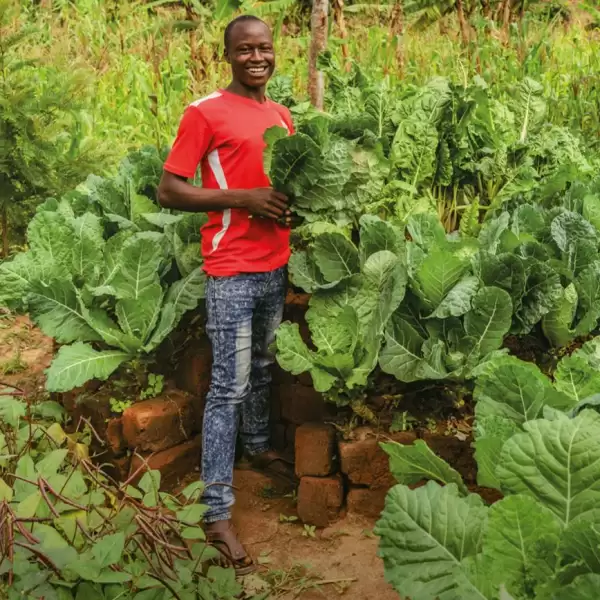
Keyhole gardens recycle as they grow. The design of the circular raised bed, which looks like a keyhole from above, incorporates a central basket where compostable waste is placed along with used water from the kitchen. These gardens are especially useful in areas where good soil is scarce and are a great way of growing vegetables in a small space.
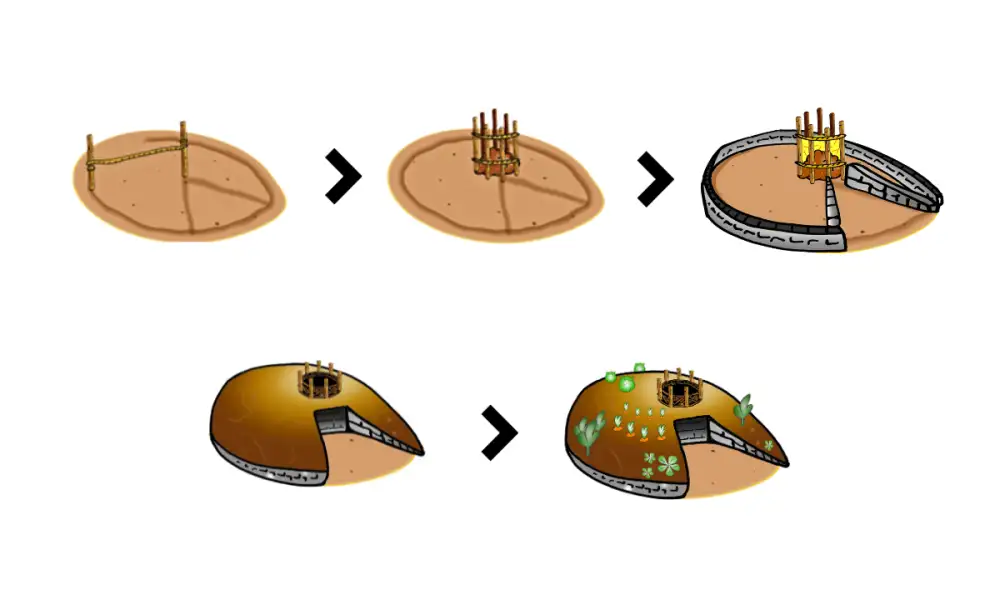
How to make a keyhole garden
- Find a sunny area in your garden (you'll need roughly 4m of space)
- Place a wooden peg where you want the centre of your keyhole garden to be and attach some string to it
- Use the string to mark two circles, an inner one with a 0.5m radius and an outer one with a 1.5m radius
- Put posts approximately 1.5m high around the inner circle and secure them with string - this is your compost basket
- Mark the outer circle with large rocks (this is your border), leaving a 'v' shaped path (0.5m wide) for access to the compost basket
- Add more layers of rock to raise the garden (good for older people or those living with a disability)
- Fill the basket with a 1m tall pile of compost
- Mix one part compost to two parts topsoil and heap around the basket so it slopes down towards the border
- Plant up one section of the garden at a time to give yourself a continuous supply of vegetables
- Add your kitchen waste to the compost basket and water regularly when it's dry
How to make natural pesticide
- Crush either: seven cups of marigold leaves to keep ants and caterpillars at bay; one cup of chilli to prevent ants, aphids, caterpillars and beetles; or seven bulbs of onion or garlic to deter ants, aphids and caterpillars
- Add 5 litres of water
- Add 3 spoons of baking powder, a piece of bio-degradable soap and wood ash
- Leave for several days to soak or, if in a hurry, boil the mixture and leave for a day
- Spray on your crops
What you can do next
We'd love to see your handiwork and hear about how effective it has been! Post your progress/send us a message on social media (Facebook or Instagram) and tag @RippleEffectNGO

Want to hear good news stories from Africa, get involved in fantastic fundraising and be part of exciting events? Fill out your details below and we will keep you updated by email.