

Our approach to equality and inclusion
Creating the conditions for inclusive and equal societies
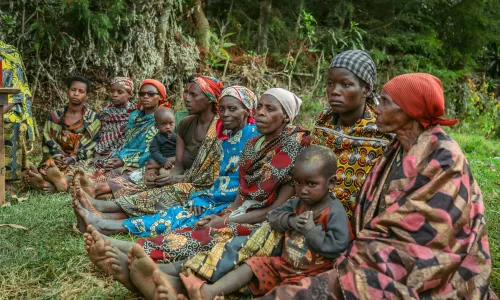
Women, young people, people with disabilities and other marginalised groups across rural East Africa continue to face barriers that can limit their access to land, finance, education, employment and decision-making.
Ripple Effect works alongside communities to identify and remove these barriers through practical, evidence-based approaches that strengthen gender equality and social inclusion. By transforming relationships, creating more equal opportunities and strengthening livelihoods, we support people to participate, contribute and shape their own futures.
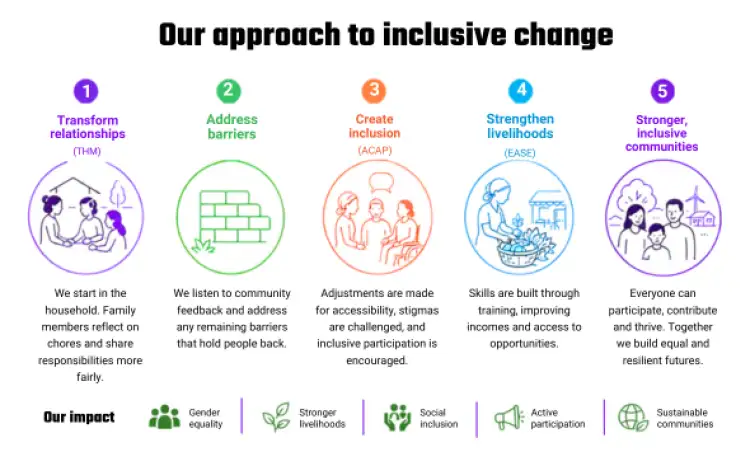
Our approaches work together
Transform relationships
Through Transformative Household Methodology, families explore how responsibilities, workloads and decisions are shared.
Remove barriers to inclusion
Through the ACAP framework, communities identify and address barriers to access, attitudes, communication and participation.
Strengthen livelihoods
Through the EASE approach, social and economic empowerment work together to strengthen livelihoods and create more equal opportunities.
Transformative Household Methodology (THM)
Change often begins at home.
Transformative Household Methodology (THM) is a simple participatory tool developed by Ripple Effect to help families build more equal and supportive relationships. It combines elements of the Harvard Gender Analysis Framework with Participatory Rural Appraisal (PRA) techniques, helping households explore how work, responsibilities and decision-making are shared.
Using practical exercises such as proportional piling, families visually map everyday activities, from unpaid care work like childcare and household chores to productive activities such as farming and enterprise. This helps family members recognise unequal workloads, discuss challenges openly and agree on practical ways to support one another.
How THM works
1. Families map household responsibilities.
2. They identify unequal workloads and decision-making.
3. They agree practical actions together.
4. They review progress over time.
THM supports:
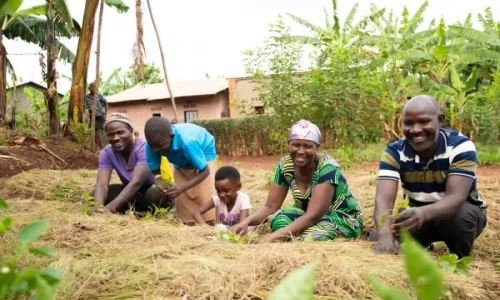
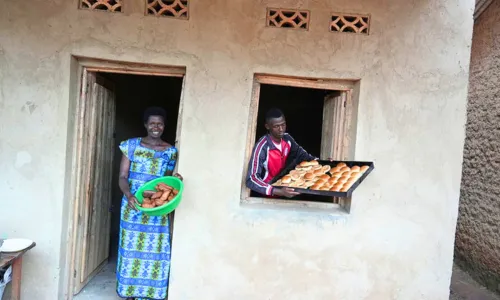
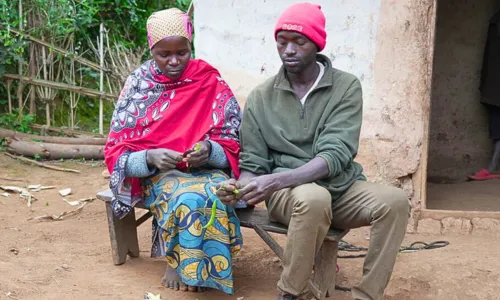
When families work together, they are able to improve their wellbeing and plan for the future.
Learn more about the methodology in our Transformative Household Methodology guide.
Identifying and addressing barriers
Creating inclusive communities begins with understanding the barriers people face.
Working alongside communities, we identify the challenges that prevent people from participating fully and take practical steps to address them. Because these barriers vary from one community to another, we use the Access, Attitude, Communication and Participation (ACAP) framework to understand people's experiences and identify practical, locally led solutions.
These barriers may include:
- Restrictive gender norms
- Unequal workloads
- Limited access to resources
- Exclusion from decision-making
- Discrimination and stigma
- Lack of information and opportunities
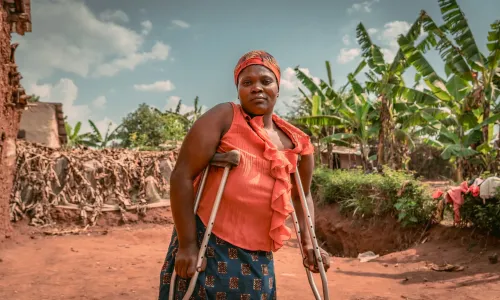
- Inaccessible facilities for people with physical disabilities
Yenu Botela, Ripple Effect project participant, Ethiopia
By understanding barriers directly from communities, solutions can be tailored to local needs and realities. This helps create more equal opportunities, strengthen participation, and support people to build secure livelihoods and shape their own futures.
Access, Attitude, Communication and Participation (ACAP)
The Access, Attitude, Communication and Participation (ACAP) framework provides a structured way to understand and address these barriers.
Working alongside communities, it helps us understand why people may be excluded and identify practical actions that improve participation and inclusion.
This approach is particularly important in our work with people with disabilities, where barriers often extend beyond physical access to include attitudes, communication and opportunities to participate in decisions that affect their lives.
The framework focuses on four key areas:
Access – ensuring people can reach and use services, opportunities and resources.
Attitude – challenging stigma, discrimination and harmful social norms.
Communication – making information accessible and ensuring everyone can contribute and be heard.
Participation – supporting meaningful involvement in decisions that affect people's lives.
By considering all four areas together, ACAP helps communities remove barriers, strengthen inclusion and create more equal opportunities for everyone.
Economic and Social Empowerment (EASE) approach
Building equality also requires economic opportunity.
Through the Economic and Social Empowerment (EASE) approach, we combine social and economic development to help households strengthen livelihoods, build more equal relationships and create lasting change. This approach complements our wider work on enterprise development, helping families build more secure and resilient livelihoods. We also support young people to access training, build confidence and create opportunities through our work on supporting young adults.
EASE also helps address one of the key barriers to meaningful inclusion: gender-based violence. We work with women, men, households and communities to challenge harmful gender norms and promote more equitable relationships. At the same time, we strengthen livelihoods by improving access to skills, enterprise opportunities and income, helping reduce the financial pressures that can contribute to conflict within households.
By combining social and economic empowerment, EASE supports women and men to make informed choices, access opportunities and build safer, more resilient futures together.
The approach supports:
How we measure progress
Creating inclusive communities requires us to understand whether change is actually happening. We use a range of tools to measure participation, confidence, inclusion and decision-making across our programmes.
Pro-WEAI
The Project-level Women's Empowerment in Agriculture Index (Pro-WEAI) helps us understand women's involvement in decision-making and leadership within households and communities.
It measures areas including:
- Women's decision-making power
- Shared household decision-making
- Men's participation in unpaid care and domestic work
- Women's workload and time use
Social Inclusion Index
The Social Inclusion Index helps us understand the extent to which people with disabilities and other marginalised groups are included in projects and community life.
It explores participation, access to opportunities, experiences of exclusion and overall inclusion.
Rosenberg Self-Esteem Scale
The Rosenberg Scale helps us measure confidence and self-esteem among project participants in our programmes.
It helps us understand whether women feel more able to participate, lead, influence decisions and pursue opportunities over time.
How you can support our work
Your support helps women, young people, people with disabilities and other marginalised groups access opportunities, strengthen their livelihoods and play a greater role in shaping their futures.
Through our thematic funds, you can help create more inclusive communities and support lasting change across rural East Africa. You can also learn more about our work with women, young people, and people with disabilities.
Want to hear good news stories from Africa, get involved in fantastic fundraising and be part of exciting events? Fill out your details below and we will keep you updated by email.