

Working with women to strengthen families and communities
We support women across rural East Africa to build skills, increase income, strengthen decision-making and improve wellbeing. Our work recognises the barriers women face and focuses on practical, lasting change across agriculture, enterprise and community leadership.
Why gender equality matters
In rural African communities, women are central to agriculture and household wellbeing. They grow food, care for their families, and contribute to local economies.
Yet many women don't have equal decision-making rights about their land, livestock and finances. In some contexts, women are not permitted to own larger livestock or control income from farm sales. Heavy unpaid care responsibilities also limit their time and energy.
We want women to benefit from their efforts as much as everyone else, for them to have a say in key decisions that affect them and their families, and participate and influence community decision. And because women in rural communities are more sociable than men, when they are empowered and spread their knowledge, other families start to thrive too. Empowering women strengthens entire communities.
Changing mindsets for lasting change
Gender equality requires more than access to training. It requires shifts in attitudes, roles, and expectations from all members at household and community level.
Our approach includes:
- Household change: Using Transformative Household Methodology (THM) from which families build shared goals, shift mindsets and make decisions together. THM sessions also include envisioning activities, prompting families to visualise their future with equal roles and map out their long-term goals.
- Economic and social empowerment: Through our Economic and Social Empowerment (EASE) approach, we address both financial barriers and the social norms that limit women’s opportunities.
- Inclusive participation: Our gender-responsive agriculture approach ensures climate-smart farming training and tools are accessible and inclusive for women. Additionally, our ACAP (Access, Communication, Attitude and Participation) framework helps identify and remove barriers so womenliving with disabilities can fully participate.
- Community-led safeguarding: Communities strengthen their own systems to prevent and respond to safeguarding risks.
- Systems change: We work with governments, partners and research organisations to address structural barriers and scale impact.
This results in:
- More shared household decision-making
- Improved access to climate and agricultural information
- Greater participation of women in farming and leadership
- Stronger, more inclusive systems over time
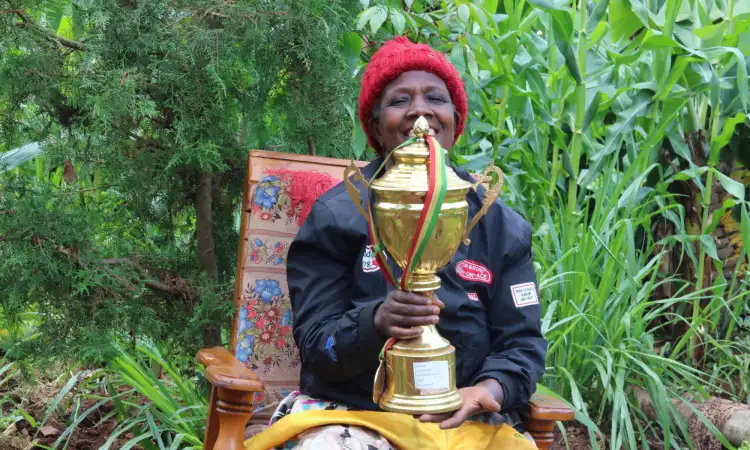
- Bekelech, project participant Ethiopia
Our approach in our areas of expertise
Gender inclusion is integrated across all our programme areas.
Sustainable agriculture and environment
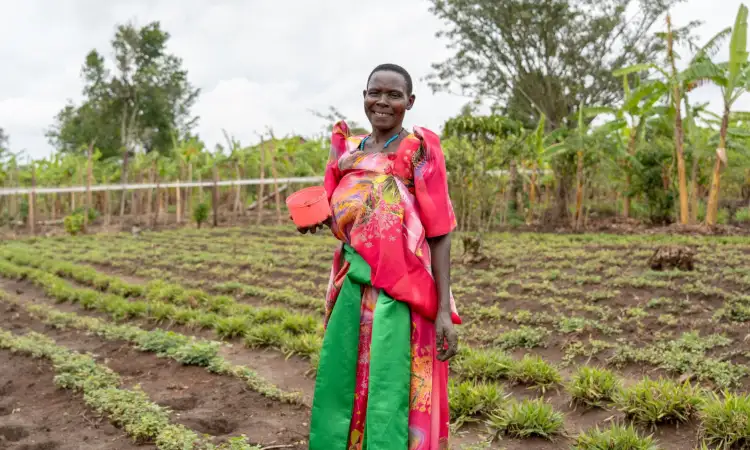
Women gain equal access to agricultural training, soil and water conservation knowledge, One Health approaches and climate resilience tools.
We work to remove barriers that prevent women from fully participating in farming systems - including limited land ownership, restricted access to livestock and exclusion from training opportunities.
Outcomes include:
- Improved food production and household nutrition
- Greater confidence in applying agroecological practices
- Increased participation in climate-resilient farming
Enterprise development and financial inclusion
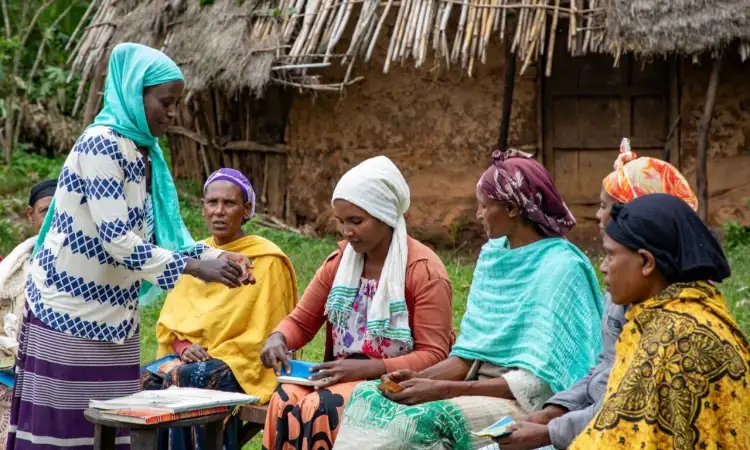
We support women through savings groups, enterprise training and improved access to local markets.
By strengthening financial literacy and enabling access to small loans, women can invest in income-generating activities and diversify household income sources.
Outcomes include:
- Increased control over income and spending decisions
- Expanded small businesses and diversified livelihoods
- Improved financial resilience during climate or market shocks
Gender equality and social inclusion
We address the structural and social norms that limit women’s opportunities.
This includes childcare centres to reduce unpaid care burdens, community champions who promote equality, and dialogue sessions that challenge restrictive gender roles.
Outcomes include:
- More shared household decision-making
- Reduced unpaid care burden and more time to spend working on their small businesses
- More women in community leadership roles
Impact at a glance
- 67% of programme participants were women
- 40% of surveyed households were led by women
- Over 50% of community saving group members are women
Figures reflect the July 2024–June 2025 reporting period.
Support our work with women
Your support makes our work possible and enables women to access training, strengthen their livelihoods and lead change in their communities.
Your donations can now support more closely the cause you care most about with our Thematic Funds. To support our work with women across our programmes in Burundi, Rwanda, Ethiopia, Uganda, Kenya and Zambia, donate to the Equal Roots fund.


Want to hear good news stories from Africa, get involved in fantastic fundraising and be part of exciting events? Fill out your details below and we will keep you updated by email.