

Approx. 6 min read
By Veronicah Omwombo, Communications & PR Manager at Ripple Effect
In Kakamega County, a new five-acre learning hub is bringing practical farming techniques closer to communities, creating opportunities to learn, share knowledge and explore more sustainable ways of growing food.
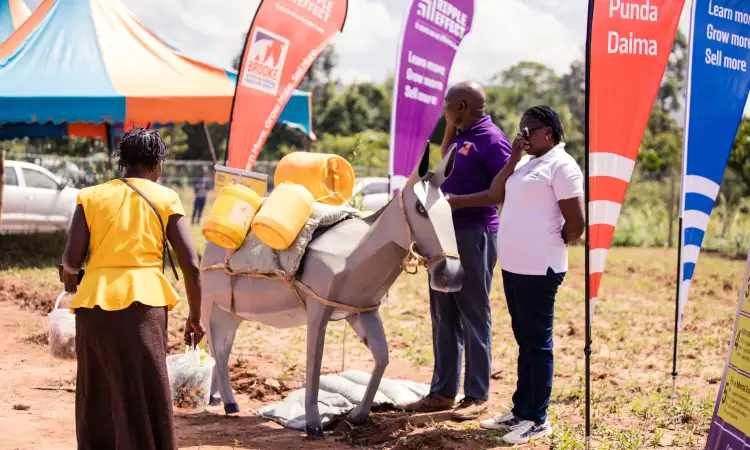
On 19 November 2026, community members gathered in Kakamega County, Kenya, to explore something new: a five-acre agricultural hub where farmers can learn different ways of growing food, caring for their soil and making better use of the resources available to them.
The occasion marked the official launch of Ripple Effect Kenya's AgriHub, a demonstration and learning centre designed to make sustainable farming knowledge more accessible to rural communities.
The launch attracted over 1,000 local residents, farmers, government representatives and development partners, reflecting strong interest in the initiative and the learning opportunities it aims to provide.
For farming families whose livelihoods depend on the land, knowing how to respond to changing weather patterns, declining soil fertility and rising agricultural costs can make an important difference.
The AgriHub has been developed to help farmers explore practical approaches to these challenges, with a focus on agroecology, knowledge-sharing and sustainable livelihoods.
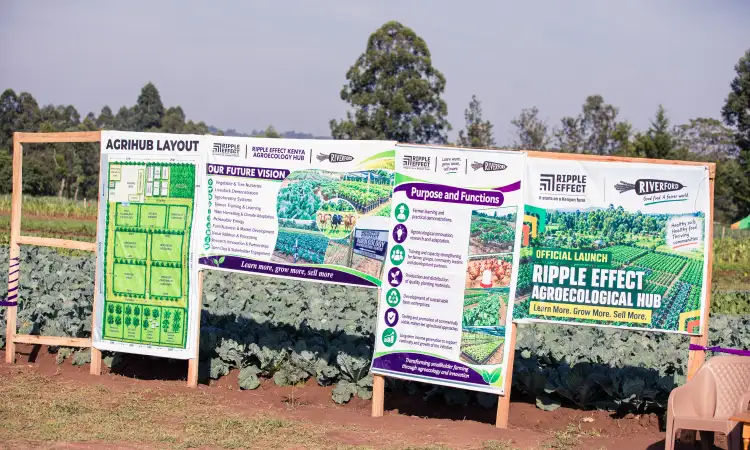
What is agroecology, and why does it matter to farmers?
Agroecology is a way of farming that works with nature. It combines ecological principles with farmers' existing knowledge to improve how food is grown while caring for the soil, water and other natural resources that agriculture depends on.
This can involve growing different crops together, using organic materials to improve soil fertility, conserving water and exploring ways to reduce dependence on costly external inputs.
For smallholder farmers, these approaches can offer practical ways to make better use of available resources and build resilience to changing environmental conditions.
But learning a new farming technique is not always as simple as hearing about it. Farmers need opportunities to see how it works, ask questions and consider whether it is suitable for their own land.
That is where the AgriHub comes in.
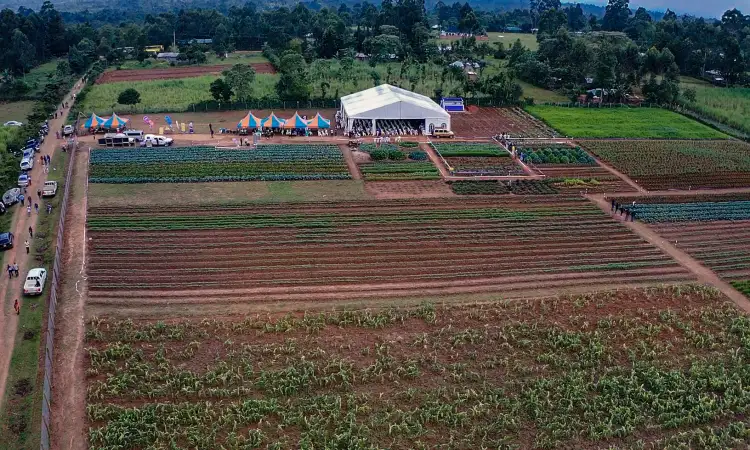
Learning by seeing: inside the five-acre AgriHub
The AgriHub is organised into five functional zones, with demonstration areas featuring fruit trees, cereals, indigenous vegetables, horticultural crops and forage grasses.
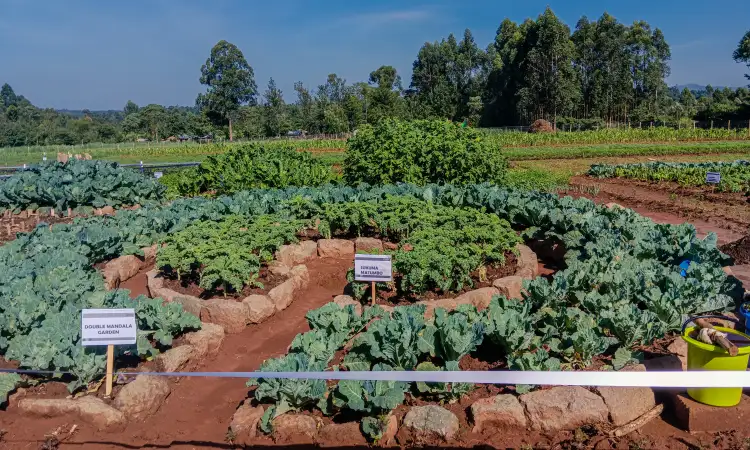
Among the farming techniques demonstrated are keyhole gardens, mandala gardens, double-dug beds and sunken beds.
Each offers a different way of thinking about how land and resources can be used.
Keyhole gardens are compact growing spaces that can incorporate organic materials to support soil fertility. Mandala gardens arrange growing beds in circular patterns, offering an alternative way to organise crops and access planting areas.
Double-dug beds demonstrate a method of preparing soil to provide greater rooting depth, while sunken beds can help retain moisture in suitable conditions.
These techniques are not one-size-fits-all solutions. Their suitability depends on factors such as soil conditions, rainfall, available space and the resources a farmer can access.
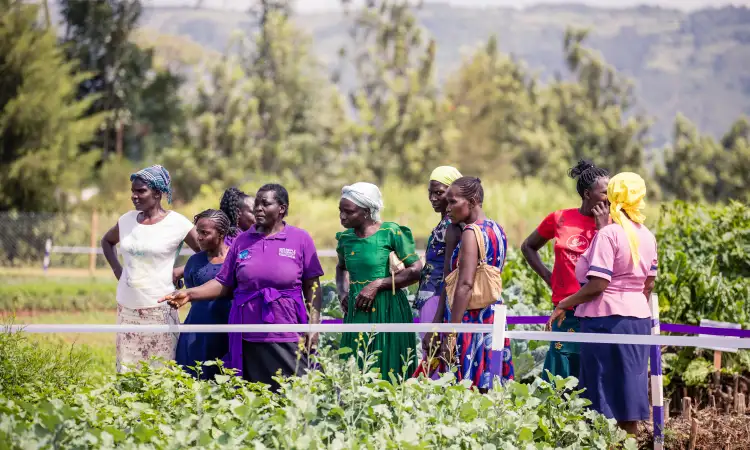
By bringing different approaches together in one learning environment, the Hub aims to give farmers an opportunity to compare methods, exchange experiences and identify practices that may work for them.
The community participation witnessed during the launch highlighted the value of practical agricultural spaces where learning can take place beyond the classroom.
Growing food is only part of the story
For many rural families, farming is more than a way to put food on the table. It is also a source of income and an important part of household livelihoods.
This is why the AgriHub's vision extends beyond demonstrating sustainable agricultural techniques.
Alongside farmer learning and regenerative agriculture, its longer-term plans include livestock development, agricultural enterprise opportunities and market systems facilitation.
The Hub also aims to explore income-generating activities through the production of seedlings, planting materials and other agricultural products, contributing to its longer-term operational sustainability.
These are opportunities to be developed as the initiative progresses, rather than outcomes already achieved.
By connecting agricultural knowledge with enterprise development, the Hub aims to support a broader approach to rural livelihoods, one that considers how farming families can improve their practices while exploring opportunities to strengthen their economic resilience.
Why partnerships matter for sustainable agriculture
The launch brought together community members, government representatives, Ripple Effect leadership and development stakeholders, highlighting the role of partnerships in making agricultural learning opportunities accessible.
Penina Mukabane, Kakamega County Executive Committee Member responsible for Water, Environment, Natural Resources and Climate Change, attended the event and emphasised the importance of initiatives that promote sustainable farming and community learning. In her remarks, she highlighted how demonstration farms can help farmers learn about organic farming practices and explore approaches that protect the environment while supporting agricultural production.
Isaac Litandi, Chair of Ripple Effect Kenya's Board, also addressed those gathered, recognising the importance of community partnerships and the contributions of partners involved in establishing the AgriHub.
Titus Sagala, Ripple Effect Kenya's Country Director, joined the launch alongside programme teams and stakeholders who have supported the initiative's development.
The AgriHub has been established with funding from Riverford, whose support has helped bring the learning and demonstration centre to life.
The launch was also the result of collaborative work by Ripple Effect Kenya's programme teams, including those involved in establishing the demonstration areas, coordinating technical activities, engaging communities and organising the event.
Their contributions have helped lay the groundwork for a Hub intended to serve as a continuing space for agricultural learning and collaboration.
What happens after the launch?
The opening of the AgriHub is a milestone, but its longer-term value will depend on what happens next.
As the initiative develops, the focus will be on creating opportunities for farmers to engage with practical demonstrations, exchange knowledge and explore sustainable approaches relevant to their circumstances.
The Hub's wider vision includes strengthening collaboration with agricultural institutions, government, development partners and other stakeholders who can contribute knowledge and expertise.
It also creates an opportunity to connect practical learning with broader conversations about climate resilience, food production and agricultural enterprise development.
For Ripple Effect, the aim is not simply to demonstrate farming techniques, but to work alongside communities as they build the knowledge and skills needed to strengthen their livelihoods.
The strong community interest witnessed in Kakamega offers an encouraging starting point.
A farm can grow crops. It can also grow knowledge, connections and possibilities.
Through the AgriHub, Ripple Effect Kenya hopes to nurture all three, creating a space where farming communities can learn from the land, from one another and from approaches that support a more sustainable future.
Support sustainable farming communities
Across rural Africa, Ripple Effect works alongside farming families to strengthen livelihoods through sustainable agriculture, enterprise development and community-led approaches. Learn more about our agroecology approach, or get involved with our work:

Want to hear good news stories from Africa, get involved in fantastic fundraising and be part of exciting events? Fill out your details below and we will keep you updated by email.