

How farmer-controlled seed systems strengthen food security and climate resilience
Approx. 4 min read
By Winnifred Mailu, Head of Thematic Support and Capacity Building Programmes, and Meshark Sikuku, Farm Systems and Sustainability Coordinator at Ripple Effect
For many farming families, each planting season begins with an important decision: which seeds will survive the months ahead?
Across East Africa, unpredictable rainfall, prolonged droughts, emerging pests, and declining soil fertility are making farming increasingly difficult. These challenges are threatening not only harvests, but also livelihoods and nutrition, leaving many farmers uncertain about what they can successfully grow in changing conditions.
Yet in many communities, local and indigenous seed systems continue to offer something important: familiarity, adaptability, and knowledge built over generations.
At Ripple Effect, we see this reality every day. When communities have greater control over how seeds are selected, saved, shared, and grown, they are often better able to feed their families, adapt to climate change, and shape their own futures.
Why local seed systems matter
Vena is a Peer Farmer working with Ripple Effect in Burundi. Although improved and certified seed varieties are often promoted as the most suitable option, he has continued growing indigenous maize varieties alongside other local crop seeds and fodder crops.
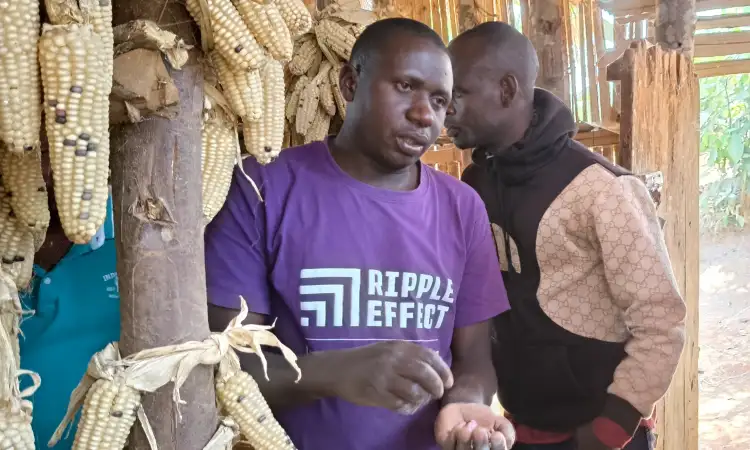
For many farmers, these locally adapted seeds are familiar, reliable, and better suited to local farming conditions. Farmers often carry generations of knowledge about which varieties mature early, survive water stress, withstand local diseases, and store well after harvest.
This forms part of what is known as seed security and seed sovereignty.
KEY INSIGHT
Seed security is about access. Seed sovereignty is about choice, control, and resilience.
Seed security refers to farmers having consistent access to enough quality seed, at the right time and at an affordable cost. Seed sovereignty goes further. It is about farmers having the freedom to decide what they grow based on local ecosystems, climate conditions, cultural preferences, and nutritional needs. This is also known as a farmer or community-managed seed system.
Together, seed security and sovereignty help ensure that food systems remain rooted in local realities rather than depending entirely on external supply chains. This is particularly important across East Africa, where smallholder farmers produce much of the food their families and communities rely on.
Seeds that strengthen resilience
Climate resilience often begins with what farmers plant.
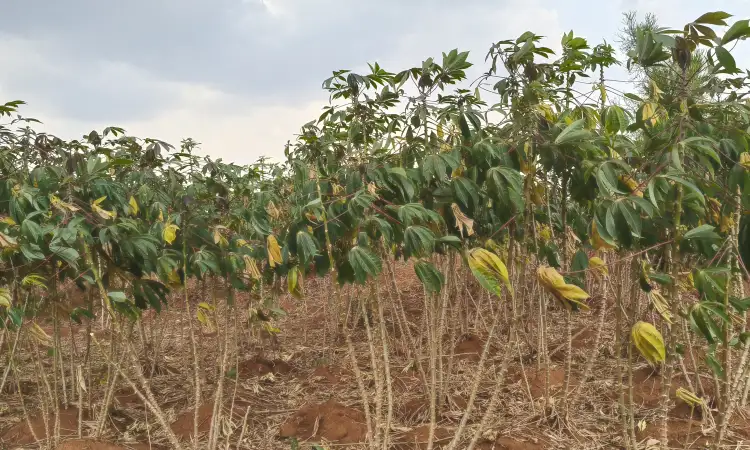
Locally adapted seed varieties, selected and preserved over generations, are often better suited to erratic rainfall, drought conditions, pests, and poor soils. Farmers also hold important knowledge about which crops survive water stress, which withstand local diseases, and which can be stored for longer periods after harvest.
Ripple Effect works with communities to promote crop and seed diversity through sustainable agriculture approaches, recognising that diversity itself helps reduce risk. Farmers growing a mix of cereals, legumes, roots, and traditional crops are far less likely to experience total crop failure if one crop is affected by drought or disease.
Seed diversity can also strengthen ecosystems by:
✔ Supporting soil regeneration
✔ Improving water retention
✔ Encouraging pollinators
✔ Reducing dependence on chemical inputs
These approaches are becoming increasingly important under changing climate conditions.
Food security starts with local control
Food security is about more than production levels alone. It is also about access, affordability, continuity, and choice.
When farmers rely solely on commercial seed systems, they can face rising costs, unsuitable varieties, and limited availability during periods of crisis. This can increase vulnerability, particularly for poorer households and women farmers.
Community-managed seed systems offer an alternative. Seed banks, farmer seed exchanges, and local seed multiplication help communities continue planting, growing nutritious food, and saving seed for future seasons. These systems help keep food production local, accessible, and responsive to changing conditions.
A community-led approach
At Ripple Effect, seed security forms part of a wider community-led approach to nutrition, livelihoods, and agroecology. Our work includes strengthening farmer knowledge in seed selection and storage, supporting local seed conservation initiatives, and encouraging diversified farming practices.
Seeds are not treated as isolated inputs, but as part of a wider farming system that includes healthy soils, water management, biodiversity, and inclusive farming approaches. Change is most sustainable when communities themselves lead it.
Planting seeds for the future
Seed security is food security. Seed sovereignty is climate resilience.
When farmers control their seeds, they strengthen their food systems and protect their ability to adapt to changing conditions over time. When communities protect seed diversity, they help safeguard more resilient futures for generations to come.
Real change grows through shared knowledge, local leadership, and long-term support that helps communities build stronger and more resilient livelihoods.
Growing resilience together
As climate pressures continue to grow, supporting community-led farming and protecting local seed systems will remain essential in helping families strengthen food security and adapt for the future.
Whether it’s sharing our work, making a donation, or exploring partnership opportunities, every action helps strengthen livelihoods and support more resilient communities.
Want to hear good news stories from Africa, get involved in fantastic fundraising and be part of exciting events? Fill out your details below and we will keep you updated by email.