

How dairy farmers in Rwanda are building sustainable livelihoods
Approx. 9 min read
By Merci Umutoniwase, Communications Executive at Ripple Effect, and Eugene Ndayambaje, Inka Nziza Zikamwa, Project Manager, Rwanda.
Milk plays an important role in livelihoods and nutrition across Rwanda, where dairy farming is a common source of income for rural families. Yet for many smallholder farmers, turning milk production into a reliable living remains a challenge due to limited infrastructure, skills, and access to markets. Through the Inka Nziza Zikamwa project, Ripple Effect, with funding from Jersey Overseas Aid (JOA), works with dairy farmers to address these challenges and build sustainable livelihoods.
Milk is a great source of nutrition, making it a popular addition to many people's diets, but for many smallholder farmers in East Africa, producing milk does not guarantee a stable income. The Food and Agriculture Organization (FAO) estimates that smallholder farmers produce around 80% of the food consumed in sub-Saharan Africa, yet many remain among the poorest. In Rwanda, growing demand for milk presents real opportunities – but without the right support, farmers risk being locked out of fair markets. As climate change, food insecurity, and rising living costs put pressure on rural households, sustainable dairy farming solutions are more important than ever.
The rise of dairy farming in Rwanda and the barriers farmers face
In Rwanda, the dairy sector has grown steadily in recent years, driven by rising demand for milk and dairy products, population growth, and national efforts to improve nutrition. Dairy farming has become an attractive livelihood option for rural households, offering the potential for regular income, improved nutrition, and year-round production.
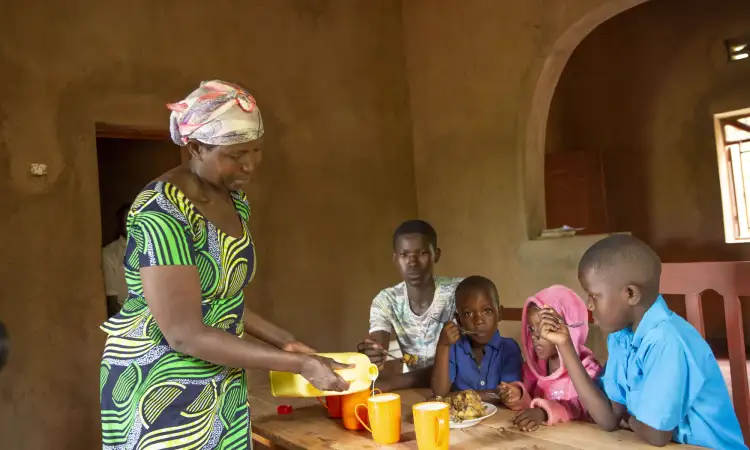
When well supported, dairy farming can also help build climate resilience, particularly through improved feeding practices, fodder cultivation, and better livestock management. However, despite the sector’s growth, many smallholder farmers struggle to turn increased milk production into stable and sustainable income.
Data from the World Bank and the Rwanda Ministry of Agriculture and Animal Resources highlight persistent gaps across the dairy value chain that continue to limit farmers’ incomes and opportunities.
While many farmers are producing higher quantities of milk, several factors mean this does not always translate into fair or stable earnings, including:
- Limited infrastructure, such as milk collection and cooling facilities
- Gaps in animal welfare and access to quality feed
- Challenges with milk hygiene and quality assurance
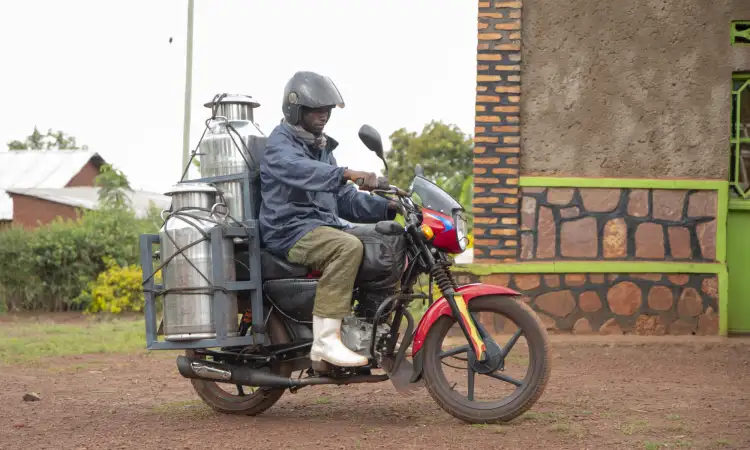
- Inadequate transportation methods, leading to spoilage
- Weak or inconsistent access to reliable markets
This was the reality for members of Koperative Zirakamwa Murama Rukira (KOZIMURU), a dairy cooperative located in Murama and Rukira sectors of Ngoma District in eastern Rwanda. The cooperative has 111 members and was formed with strong motivation and shared ambition.
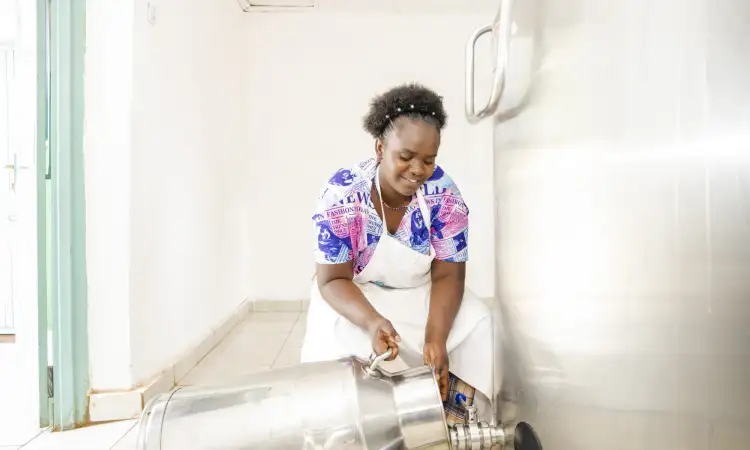
However, when KOZIMURU started, farmers faced serious obstacles. Without a Milk Collection Centre (MCC), milk often spoiled before reaching buyers. Many farmers lacked training in animal nutrition and milk hygiene, resulting in low yields and inconsistent quality. When milk was rejected, farmers often did not understand why.
“We had cows, but we did not know how to get the best from them. Sometimes our milk was rejected because of poor hygiene, and we did not even understand why.”
— KOZIMURU member, Murama
In addition, the cooperative had limited experience in financial and organisational management. This made it difficult to operate as a sustainable micro-enterprise, despite strong demand for milk in the region.
The solution: practical training and enterprise-focused support
Over two years through the Inka Nziza Zikamwa project, Ripple Effect worked closely with KOZIMURU members to strengthen both farming practices and cooperative management. The aim was not just to increase milk production, but to help farmers build a viable, sustainable enterprise.
Farmers received training in:
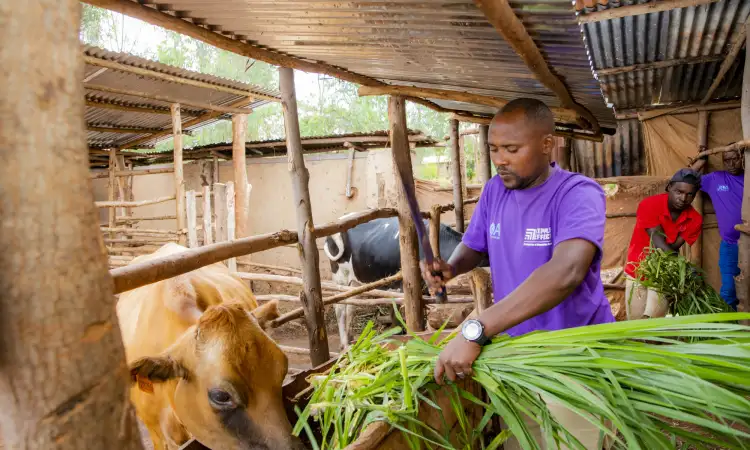
- Animal nutrition and welfare, helping farmers feed and care for their cows properly so they stay healthy and productive
- Improved breeding practices, including the introduction of Jersey crossbreed cows, which produce enough milk to feed their calves while still allowing farmers to collect surplus milk for sale
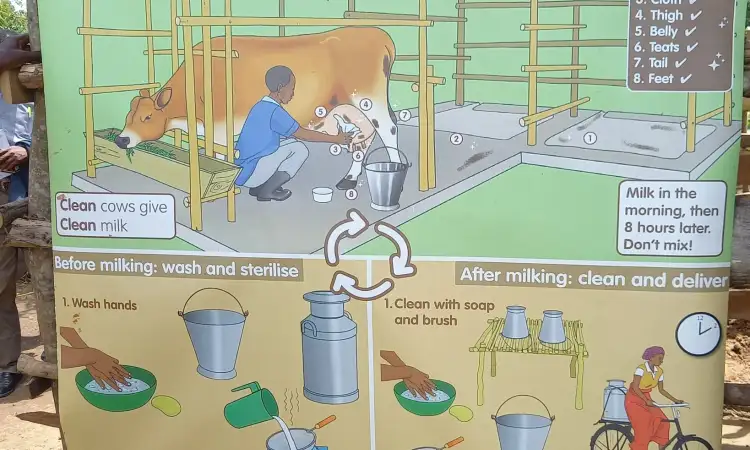
- Milk hygiene and quality testing, reducing spoilage and rejection, helping farmers meet market standards
- Cooperative and financial management, strengthening record-keeping, savings, and shared decision-making
- Milk transportation and storage, improving how milk is handled from farm to collection centre
This integrated approach reflects Ripple Effect’s commitment to sustainable farming practices and locally led solutions.
From roadside sales to stable income
The impact of this support has been significant. With the establishment of the Milk Collection Centre and improved handling practices, farmers of the KOZIMURU cooperative are now able to sell milk collectively to reliable buyers. Spoilage has reduced, quality has improved, and income has become more predictable.
“Before, I could sell only a few litres at the roadside. Now my milk reaches the collection centre and I get paid on time. With this money, I can buy school materials for my children.”
— KOZIMURU member, Rukira
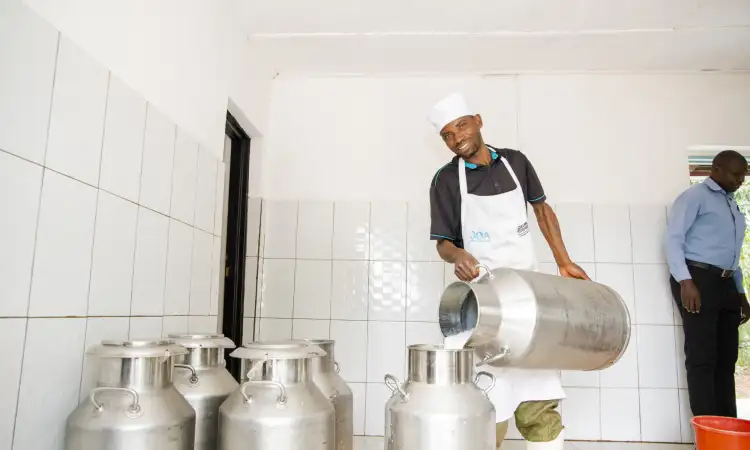
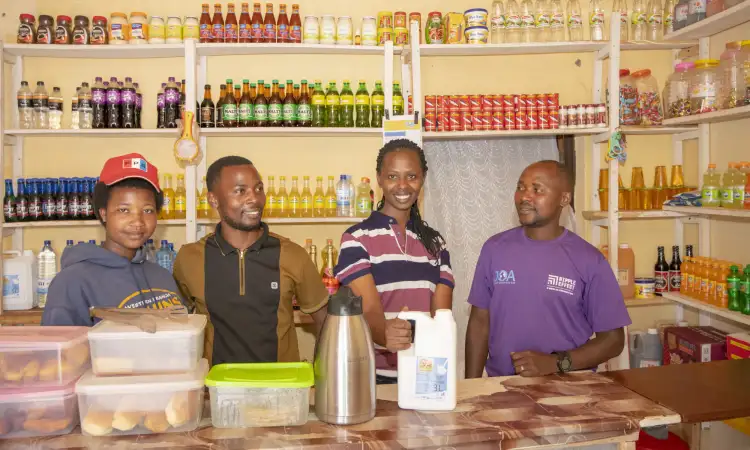
The cooperative has also created jobs for local youth and reinvested profits into new ventures, including a milk shop that strengthens its financial base.
Inclusion and shared benefits
KOZIMURU’s membership includes both men and women, and the cooperative structure helps ensure that benefits are shared at household and community level. Reliable income from milk sales has enabled families to meet essential needs such as education, healthcare, and food.
By strengthening cooperative governance and transparency, Ripple Effect’s support has also helped build trust among members — an essential foundation for long-term success.
Ongoing challenges
Despite strong progress, KOZIMURU still faces challenges. Limited milk cooling capacity affects storage during peak periods, and occasional fluctuations in market demand can impact income stability.
To address this, the cooperative has proactively engaged with private-sector partners such as Inyange Industries, one of Rwanda’s largest dairy processors. A collaboration with Inyange could help KOZIMURU secure a more reliable long-term market for its milk, improve quality standards, and strengthen links between smallholder farmers and formal value chains. At the same time, the cooperative continues to seek support from other organisations to acquire a larger milk cooler, which would reduce spoilage and allow farmers to supply larger volumes more consistently.
Looking ahead: building something that lasts
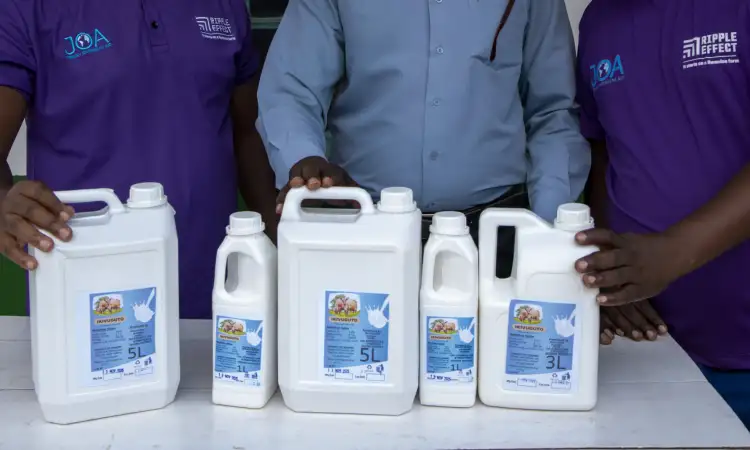
KOZIMURU’s vision is to increase milk volumes, improve packaging and value addition, particularly for fermented milk, and strengthen long-term market access.
“We now see the future differently. With Ripple Effect’s support, we are not only dairy farmers – we are business people building something that will last,”
— KOZIMURU cooperative leader
What you can do next
Stories like KOZIMURU’s show how long-term investment in farmers, enterprises, and sustainable agriculture can transform lives — not just for one season, but for generations.
To see the wider impact of this work, we invite you to explore how Ripple Effect is supporting farming communities across Africa.
- Learn more about Ripple Effect’s work in Rwanda
- Read our recently published 2024-25 Annual Review to learn more about the impact of our work
- Donate to support farming families building resilient livelihoods
Together, we can support farmers to grow food, income, and hope for the future.


Want to hear good news stories from Africa, get involved in fantastic fundraising and be part of exciting events? Fill out your details below and we will keep you updated by email.