

Agroecology at COP30: smallholder farmers demand climate action
Approx. 6 min read
By Winnie Mailu, Head of Programmes Support at Ripple Effect
The recently concluded COP30 in Belém, Brazil sent an important signal: agriculture is finally being recognised as central to climate discussions. For years, farming and food systems were often sidelined, treated as secondary to energy, finance, and industry. This year, smallholder farmers and advocates of agroecology saw some encouraging signs – but the gap between dialogue and meaningful action remains wide.
For over 35 years, Ripple Effect has supported smallholder farmers across Africa, promoting agroecology, inclusive and sustainable food systems, and farmer-led innovation. Alongside global partners, we continue to advocate for the agroecological transition to fairer food systems, emphasizing the power of local knowledge, seed preservation, and peer-to-peer learning.
COP30 highlights: symbolic steps and emerging priorities
COP30 brought several positive developments:
- The Food and Agriculture Organization (FAO) highlighted the need to focus on food production, processing, and distribution alongside climate action.
- Conference meals were sourced from local family farms and small producers in Brazil, symbolically supporting shorter value chains and local food economies.
- The Gates Foundation announced a $1.4 billion commitment to support smallholder farmers in sub-Saharan Africa and South Asia.
While these actions are encouraging, they remain largely symbolic and preliminary. There is no guarantee yet that agroecology or farmer-led food systems will receive the sustained policy support and funding they need. Agriculture continues to receive a small share of climate finance, and industrial models still dominate global discussions.
Progress on seed sovereignty: a landmark victory in Kenya
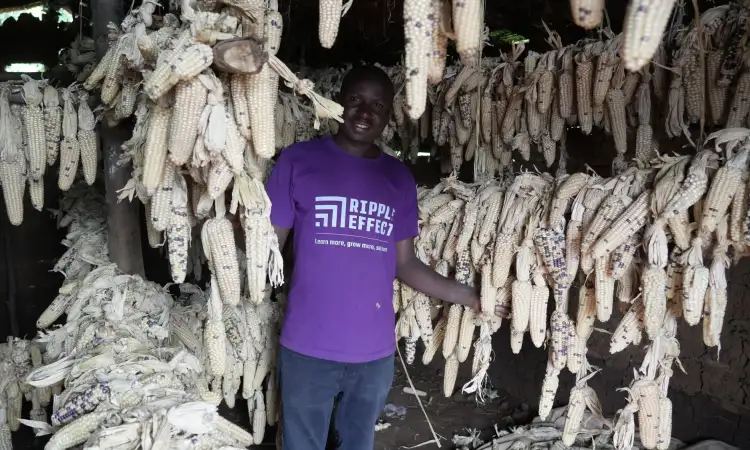
In November 2025, Kenyan smallholder farmers achieved a major win for seed sovereignty. The High Court ruled against parts of the Seed and Plant Varieties Act that criminalised the saving, sharing, or exchanging of unregistered and indigenous seeds.
This ruling restores smallholder farmers’ rights to use locally adapted seeds, often more resilient to drought, variable soils, and local climate conditions than commercial varieties. It also strengthens biodiversity, traditional ecological knowledge, and farmer-led innovation (key pillars of agroecology), and reduces the dependency for smallholder farmers to buy certain seeds from large companies, which often present financial challenges.
Why agroecology and smallholder leadership matter
Agroecology is more than sustainable farming. It’s a pathway to food sovereignty, climate resilience, and rural development. Smallholder farmers play a pivotal role in:
- Maintaining soil fertility through crop diversity and organic practices
- Conserving local seeds and biodiversity
- Restoring degraded landscapes
- Feeding local communities with nutritious, culturally appropriate food
Shorter, locally focused value chains reduce dependency on industrial agribusiness, ensure fresher, traceable foods, and strengthen resilience against climate shocks.
Ripple Effect’s farmer-led approach
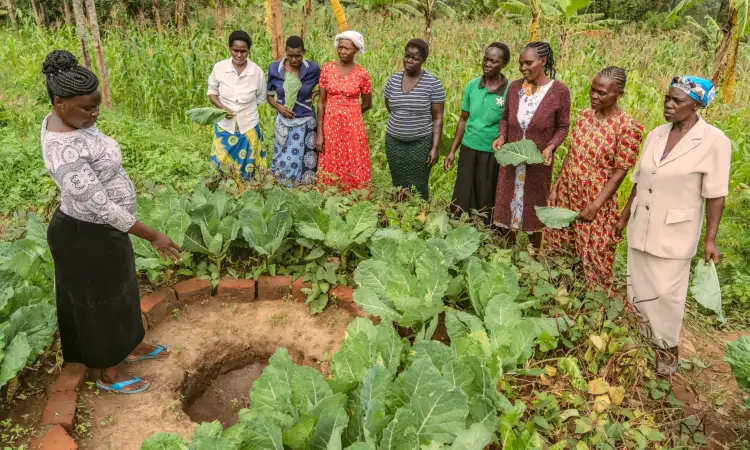
At Ripple Effect, we promote agroecology through peer-to-peer learning, where farmers demonstrate and share practical techniques with their peers. This model ensures knowledge is:
- Contextually relevant and hands-on
- Rooted in local ecological and cultural knowledge
- Scalable within communities
Farmers learn regenerative practices, water management, crop diversity, and agroforestry – all of which improve yields, protect ecosystems, and build long-term resilience.
COP30 is a step forward, but action is needed
COP30 shows that agriculture is finally part of the conversation; but talk alone is not enough. For agroecology to thrive, governments, donors, and global institutions must:
- Enact policies that protect seed sovereignty and biodiversity globally
- Invest in locally led, farmer-driven solutions
- Ensure transparent allocation of climate finance to agroecology
- Strengthen farmer extension services and access to appropriate technologies
Smallholder farmers produce a third of the world’s food and are among the most affected by climate change. Policies that place them in the centre lead to more resilient, fairer, and sustainable food systems.
What you can do to support
Donate – support our farmer-led agroecology work across rural Africa. Every little bit helps, whether you make a one-off donation, or set up a monthly donation.
Invite us to speak – if you have a platform, whether it’s an event, podcast or newsletter, we would be delighted to share more about our work and its impact in building fairer food systems. Please contact us at info@rippleeffect.org.
Become a partner – partnerships drive sustainable change. We would love to discuss how we may collaborate – if your organization is looking for a new charity partner, please reach out at partnerships@rippleeffect.org.


Want to hear good news stories from Africa, get involved in fantastic fundraising and be part of exciting events? Fill out your details below and we will keep you updated by email.